The Art of Food Truck & Cafe Menu Boards: Design Tips That Drive Sales
Here's how to master the art of food truck and cafe menu boards, combining timeless design principles with modern digital flexibility.
 nentousa1
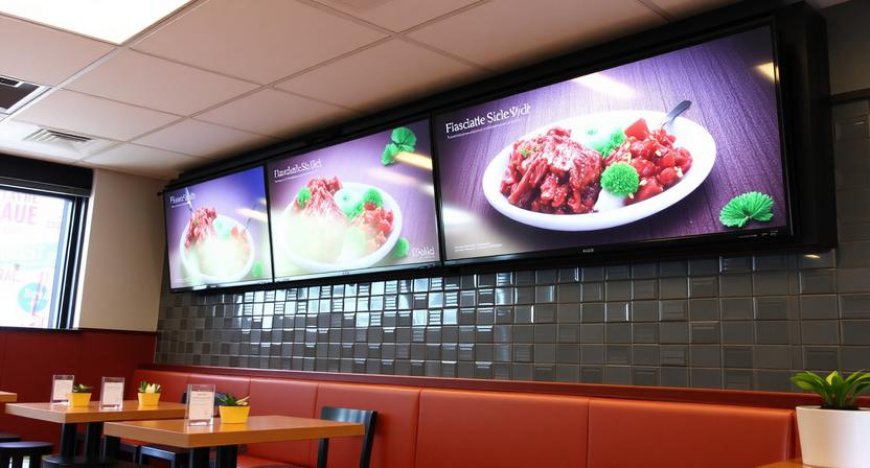
In the fast-paced world of mobile food service and brick-and-mortar cafes, your menu board is far more than a list of items and prices—it's your primary sales tool. Whether you operate a roving food truck at bustling festivals or a cozy neighborhood cafe, the way you present your offerings can make the difference between a customer ordering a simple coffee and a high-margin specialty latte with an extra shot.
Great menu boards grab attention, communicate your brand, and gently guide customers toward your most profitable items. Here's how to master the art of food truck menu boards and cafe menu boards, combining timeless design principles with modern digital flexibility.
Why Your Menu Board Matters More Than You Think
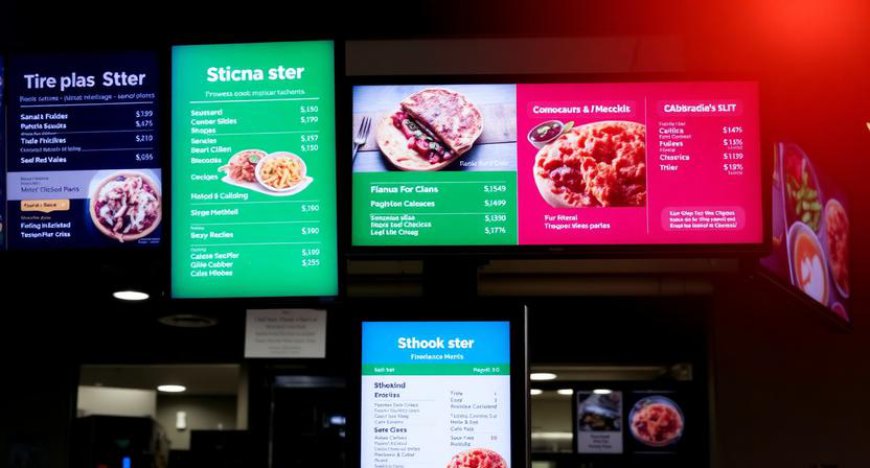
First impressions happen fast. In food trucks, customers often have seconds to decide while standing in line. In cafes, the menu board is usually the first visual customers encounter upon entry. This means your board must be intuitive, instantly readable, and strategically persuasive.
Moreover, your menu board reinforces your brand identity. A rustic chalkboard fits a farm-to-table cafe, while a sleek digital screen with animated graphics suits a modern food truck serving gourmet fusion tacos. Beyond aesthetics, however, effective menu boards increase average check size by highlighting profitable combinations, daily specials, and upsells like add-ons or combos.
Food Truck Menu Boards – Maximizing Limited Space
Prioritize Readability on the Move
Food trucks operate in dynamic environments—sunny parks, dimly lit evening markets, or rainy streets. Therefore, contrast and font size are non-negotiable. Use bold, sans-serif fonts in high-contrast colors like white text on a dark background or black on bright yellow. Avoid fancy scripts or overly thin typefaces. Also, keep your font size large enough to read from at least 6 feet away.
Keep Your Offerings Tight and Focused
Unlike a full-service restaurant, a food truck menu should be concise—ideally 5 to 8 core items. This speeds up ordering and reduces wait times. Consider using a "signature item" box or star icon to spotlight your best-selling dish. Many successful food trucks also display a separate "sides & drinks" section next to the main board, encouraging customers to add high-margin extras.
Use Flexible Mediums Like Chalk or Magnetic Boards
Since food trucks often rotate specials or run out of ingredients, dry-erase, chalk, or magnetic letter boards are lifesavers. They allow real-time updates without reprinting. For a more polished look, consider a weatherproof digital screen mounted on the service window, which can be updated remotely via a tablet.
Cafe Menu Boards – Crafting the Perfect Coffee Experience
Guide Customers Through the Decision Ladder
Cafe customers often suffer from "analysis paralysis" when faced with long lists of espresso drinks, tea blends, and pastries. Solve this by grouping items logically: Espresso-Based Drinks → Brewed Coffee → Tea → Cold Drinks → Food. Within each group, list items from most popular to least, or from simplest to most complex. Studies show that placing your highest-margin item in the top-right corner of the board (the "prime real estate" for eye-tracking) increases its sales.
Embrace Aesthetic Storytelling
Cafes thrive on atmosphere. Your menu board should feel like part of the decor. Hand-lettered chalkboards with warm illustrations, wooden frames, or even hanging tile boards create a welcoming, artisanal vibe. Digital boards can mimic this with soft, earthy color palettes and subtle motion, like steam rising from a coffee cup. Remember to include brief, mouth-watering descriptions—e.g., "Velvety caramel latte with house-made salted caramel drizzle" instead of just "Caramel Latte."
Update Specials and Seasonal Offerings Frequently
Cafe menus should evolve with the seasons. Pumpkin spice in autumn, peppermint mochas in winter, and cold brew towers in summer. Dedicate a prominent section of your board to "Seasonal Specials" so customers know there's always something new to try. This also encourages repeat visits from regulars who might otherwise get bored.
Digital vs. Traditional – Which Is Right for You?
Both food trucks and cafes are increasingly adopting digital signage for menu boards. Digital boards allow instant price changes, countdown timers for limited offers, and even video content showing food preparation. They are especially useful for food trucks that park at different events with varying menus.
However, traditional boards—chalk, acrylic, or backlit transparencies—have their own charm. They never suffer from glare, screen failure, or pixelation. Many successful operators use a hybrid approach: a traditional main board for staples and a small digital screen for daily specials and promotions.
Proven Design Principles for Both Food Trucks and Cafes
-
The Rule of Three: Customers typically remember only three items. Use visual cues (boxes, borders, or background colors) to highlight your top three profit drivers.
-
Ditch the Dollar Sign: Research shows that omitting the "$" sign from prices reduces the psychological pain of spending, encouraging customers to order more.
-
Use Descriptive, Sensory Words: Words like "crispy," "buttery," "smoky," or "velvety" trigger taste receptors in the brain and make items more appealing.
-
White Space Is Your Friend: Cluttered boards overwhelm customers. Leave breathing room between sections so the eye can easily scan.
Final Thoughts – Test, Tweak, and Repeat
There is no one-size-fits-all menu board. What works for a taco truck in Austin might flop for a Parisian-style patisserie in Boston. The key is to experiment—test different layouts, fonts, and item placements, and track how they affect sales. Use simple A/B testing by changing one variable at a time and observing customer behavior over a week.
Ultimately, your food truck or cafe menu board is a reflection of your culinary philosophy and your respect for your customers' time and experience. Invest the effort to design it thoughtfully, and you'll not only boost your bottom line but also create a more pleasant, memorable ordering experience that keeps people coming back for more.