The Future of Electrical Substation Design with Smart Systems
Explore how smart technology is reshaping electrical substation design, improving efficiency, safety, and future-ready infrastructure.
 keentel
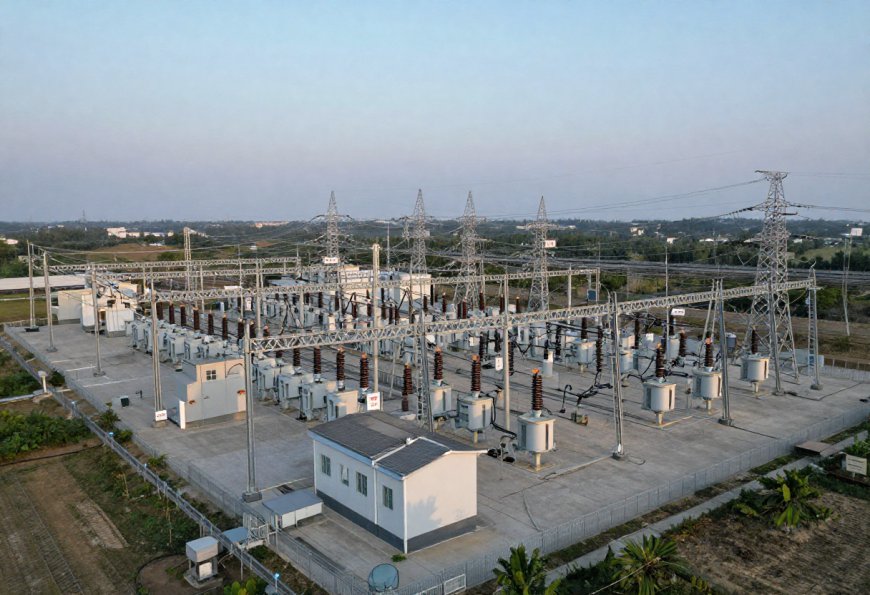
The energy sector is undergoing a significant transformation, and substations are no longer just passive nodes in the power grid. With the rise of digitalization, automation, and data-driven decision-making, electrical substation design is evolving into a smarter, more efficient, and highly responsive system. For engineering firms and utility providers, embracing this shift is not just an option—it’s a necessity for future-ready infrastructure.
In this article, we’ll explore how smart technology is redefining substation engineering design, and what it means for reliability, safety, and performance.
The Shift from Conventional to Smart Substations
Traditional substations were primarily designed with manual monitoring and control systems. While reliable, they often lacked real-time insights and required significant human intervention for maintenance and fault detection.
Modern substation engineering design integrates intelligent electronic devices (IEDs), sensors, and communication networks. These components allow substations to collect, analyze, and transmit data in real time. As a result, engineers can detect issues early, reduce downtime, and optimize overall performance.
Smart substations are not just about adding technology—they represent a complete paradigm shift in how substations are planned, built, and operated.
Integration of Digital Monitoring and Automation
One of the most impactful advancements in electrical substation design is the integration of automation systems. Supervisory Control and Data Acquisition (SCADA) systems and advanced analytics tools now play a central role in monitoring operations.
Automation enables:
-
Real-time performance tracking
-
Remote operation and control
-
Faster fault detection and isolation
-
Reduced human error
With smart sensors embedded across equipment, substations can continuously monitor parameters such as temperature, voltage, and load conditions. This data-driven approach ensures better reliability and minimizes unexpected failures.
Role of IoT and Data Analytics in Substation Design
The Internet of Things (IoT) has become a cornerstone of modern substation engineering design. Connected devices gather vast amounts of operational data, which can then be analyzed using advanced algorithms.
This evolution allows engineers to:
-
Predict equipment failures before they occur
-
Optimize asset management strategies
-
Enhance energy efficiency
-
Improve decision-making processes
For example, predictive maintenance powered by IoT reduces the need for routine inspections and focuses only on equipment that shows signs of wear or inefficiency. This not only cuts operational costs but also extends the lifespan of critical components.
Enhancing Safety Through Smart Civil Engineering Design
Safety has always been a top priority in substations, but smart technology is taking it to the next level. Modern substation civil engineering design now incorporates digital safety systems alongside physical infrastructure.
Key advancements include:
-
Intelligent surveillance systems
-
Automated fire detection and suppression
-
Remote hazard monitoring
-
Smart grounding and insulation systems
Additionally, civil design now considers the integration of digital equipment rooms, cable trenches optimized for sensor networks, and layouts that support future upgrades. These improvements create a safer working environment while ensuring compliance with evolving industry standards.
Compact and Modular Design Approaches
Space constraints and urban expansion are pushing engineers toward compact and modular solutions in electrical substation design. Smart technology enables the development of gas-insulated substations (GIS) and prefabricated modular units.
Benefits of modular smart substations include:
-
Faster construction and deployment
-
Reduced on-site labor
-
Scalability for future expansion
-
Lower environmental impact
These designs are particularly valuable in urban areas where land availability is limited. By combining compact structures with smart systems, engineers can deliver high-performance substations without compromising efficiency.
Cybersecurity and Grid Resilience
As substations become more connected, cybersecurity has become a critical aspect of substation engineering design. Protecting digital infrastructure from cyber threats is essential to maintaining grid stability.
Modern substations incorporate:
-
Secure communication protocols
-
Network segmentation
-
Real-time threat detection systems
-
Data encryption and access controls
In addition to cybersecurity, smart substations enhance grid resilience. They can quickly respond to disturbances, reroute power, and restore services faster than traditional systems. This capability is especially important in regions prone to extreme weather or fluctuating demand.
The Future of Substation Engineering Design
The evolution of substation civil engineering design and electrical systems is far from complete. Emerging technologies such as artificial intelligence, machine learning, and digital twins are set to further revolutionize the field.
Future substations will likely feature:
-
Fully autonomous operations
-
Advanced simulation models for design optimization
-
Seamless integration with renewable energy sources
-
Enhanced sustainability and reduced carbon footprint
Engineering firms that adopt these innovations early will be better positioned to deliver efficient, reliable, and future-proof solutions.
Conclusion
Smart technology is transforming every aspect of electrical substation design, from planning and construction to operation and maintenance. By integrating automation, IoT, and advanced analytics, modern substations are becoming more intelligent, efficient, and resilient.
For companies like Keentel Engineering, staying ahead in substation engineering design means embracing these innovations and continuously adapting to industry trends. As the demand for reliable and sustainable energy grows, smart substations will play a crucial role in shaping the future of power systems.