The Growing Importance of Methylated Silver Nanoparticles in Nanoscience
Explore the growing importance of methylated silver nanoparticles in nanoscience, from biomedical research to advanced materials and technology innovation.
 nncrystal
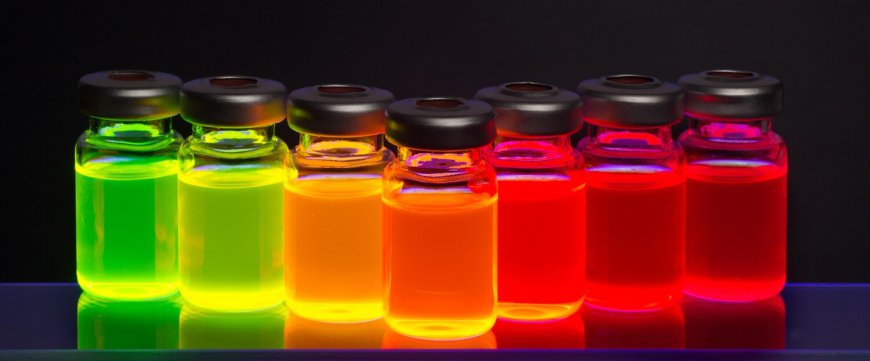
Nanoscience has transformed the way researchers approach materials, medicine, electronics, and environmental technologies. By working at the nanoscale, scientists can manipulate materials to exhibit unique physical, chemical, and biological properties that are not present in their larger forms. Among the many innovations in this field, methylated silver nanoparticles have emerged as an area of growing interest due to their versatility and potential applications across multiple industries.
Silver nanoparticles have long been recognized for their antimicrobial, optical, and catalytic properties. However, advances in nanotechnology have led to the development of specialized forms such as methylated silver nanoparticles, which offer enhanced stability, functionality, and performance for research and commercial applications.
As nanoscience continues to evolve, these nanoparticles are becoming increasingly important in fields ranging from healthcare and biotechnology to environmental science and advanced materials engineering. In this blog, we’ll explore the significance of methylated silver nanoparticles, their unique properties, and the role they play in driving innovation within nanoscience.
Understanding Silver Nanoparticles
Silver nanoparticles are particles of silver that typically range from 1 to 100 nanometers in size. Due to their extremely small dimensions, they exhibit unique characteristics that differ significantly from bulk silver.
These nanoparticles possess exceptional surface area-to-volume ratios, making them highly reactive and useful for various scientific applications. Researchers have used silver nanoparticles in antimicrobial coatings, diagnostic tools, sensors, and electronic devices.
The development of methylated silver nanoparticles represents a further advancement in nanoparticle engineering, enabling researchers to tailor surface properties for specific applications and improved performance.
What Are Methylated Silver Nanoparticles?
Methylation is a chemical modification process that involves the addition of methyl groups to a material’s surface. When applied to silver nanoparticles, this process can alter their chemical behavior, stability, and interaction with surrounding environments.
Methylated silver nanoparticles are designed to offer enhanced functionality while maintaining the beneficial properties associated with traditional silver nanoparticles. The methylated surface can improve compatibility with various biological and chemical systems, making these nanoparticles attractive for advanced research and industrial applications.
Scientists continue to study how methylation influences nanoparticle behavior, opening new possibilities for innovation in nanotechnology.
Enhanced Stability and Performance
One of the key advantages of methylated silver nanoparticles is their improved stability. Nanoparticles can sometimes aggregate or clump together, which may reduce their effectiveness and limit their applications.
Surface methylation helps stabilize the particles, reducing aggregation and allowing them to remain dispersed for longer periods. This enhanced stability can improve consistency in experimental results and increase the efficiency of various nanotechnology-based processes.
For researchers and manufacturers, stable nanoparticles provide greater reliability and broader opportunities for practical implementation.
Applications in Biomedical Research
Biomedical science is one of the most promising areas for the use of methylated silver nanoparticles. Silver nanoparticles are already known for their antimicrobial properties, and methylation may further enhance their performance in medical and biological applications.
Researchers are exploring their use in areas such as:
- Drug delivery systems
- Diagnostic technologies
- Biosensors
- Medical coatings
- Antimicrobial treatments
The unique surface properties of methylated nanoparticles may improve interactions with biological systems, potentially leading to more effective and targeted solutions in healthcare research.
As interest in precision medicine grows, nanoparticle technologies are expected to play an increasingly important role in future medical innovations.
Contributions to Advanced Materials Science
Materials science continues to benefit from advances in nanoparticle engineering. Methylated silver nanoparticles are being studied for their ability to enhance the properties of composite materials and coatings.
By incorporating these nanoparticles into polymers, films, and advanced materials, researchers can improve characteristics such as durability, conductivity, and antimicrobial performance.
Their nanoscale size allows them to interact with materials in ways that traditional additives cannot, making them valuable tools for developing next-generation products.
Industries such as electronics, manufacturing, and healthcare may benefit significantly from these advancements.
Environmental and Sustainability Applications
Environmental science is another area where methylated silver nanoparticles are attracting attention. Researchers are investigating their potential use in water treatment systems, pollution monitoring, and environmental remediation technologies.
Nanoparticles can interact with contaminants at a molecular level, helping improve filtration efficiency and detection capabilities. Their unique properties may support the development of more effective solutions for addressing environmental challenges.
As sustainability becomes a global priority, nanotechnology-based innovations are expected to contribute to cleaner and more efficient environmental management practices.
Role in Sensor Technologies
Sensors are essential tools in scientific research, healthcare diagnostics, industrial monitoring, and environmental analysis. The unique optical and electrical properties of silver nanoparticles make them valuable components in advanced sensor systems.
Methylated silver nanoparticles can be engineered to enhance sensitivity and selectivity in sensor applications. Their modified surfaces allow researchers to design highly specialized detection systems capable of identifying specific molecules or biological markers.
These capabilities have the potential to improve diagnostic accuracy, industrial quality control, and environmental monitoring processes.
Supporting Innovation in Nanotechnology Research
Nanoscience is a rapidly evolving field, and ongoing research continues to uncover new possibilities for nanoparticle applications. Methylated silver nanoparticles represent an important area of exploration because they combine the beneficial properties of silver nanoparticles with the added advantages of surface modification.
Scientists use these materials to study nanoparticle interactions, develop advanced technologies, and create solutions for complex scientific challenges.
As research progresses, new applications and discoveries are likely to emerge, further expanding the impact of methylated silver nanoparticles across multiple industries.
Challenges and Future Research
While the potential of methylated silver nanoparticles is significant, ongoing research is needed to fully understand their behavior, safety, and long-term effects.
Researchers continue to investigate factors such as:
- Biological interactions
- Environmental impact
- Scalability of production
- Application-specific performance
- Regulatory considerations
Addressing these challenges will help ensure that nanoparticle technologies are developed responsibly and effectively.
Future studies will likely lead to improved formulations, broader applications, and greater commercialization opportunities within nanoscience and related industries.
The Growing Market Demand
As industries increasingly adopt nanotechnology solutions, demand for advanced nanoparticle materials continues to rise. Methylated silver nanoparticles are gaining attention among researchers, manufacturers, and technology developers seeking innovative materials with enhanced performance characteristics.
The growing interest in healthcare technologies, smart materials, environmental solutions, and advanced electronics is expected to drive continued growth in this segment of the nanotechnology market.
Organizations that invest in high-quality nanoparticle research and development are well-positioned to contribute to future scientific breakthroughs.
Conclusion
Nanoscience continues to revolutionize numerous industries, and methylated silver nanoparticles are becoming an increasingly important part of that transformation. Their enhanced stability, unique surface properties, and broad range of potential applications make them valuable tools for researchers and innovators alike.
From biomedical research and advanced materials development to environmental technologies and sensor systems, methylated silver nanoparticles are helping shape the future of nanotechnology. As scientific understanding continues to grow, these specialized nanoparticles are expected to play an even greater role in solving complex challenges and driving innovation.
For organizations and researchers seeking high-quality nanomaterials and advanced scientific solutions, NN Crystal US Corporation is a trusted partner dedicated to supporting cutting-edge research and technological advancement.