The Ultimate Guide to Buying Your First Luxury Watch
 jacktaylor
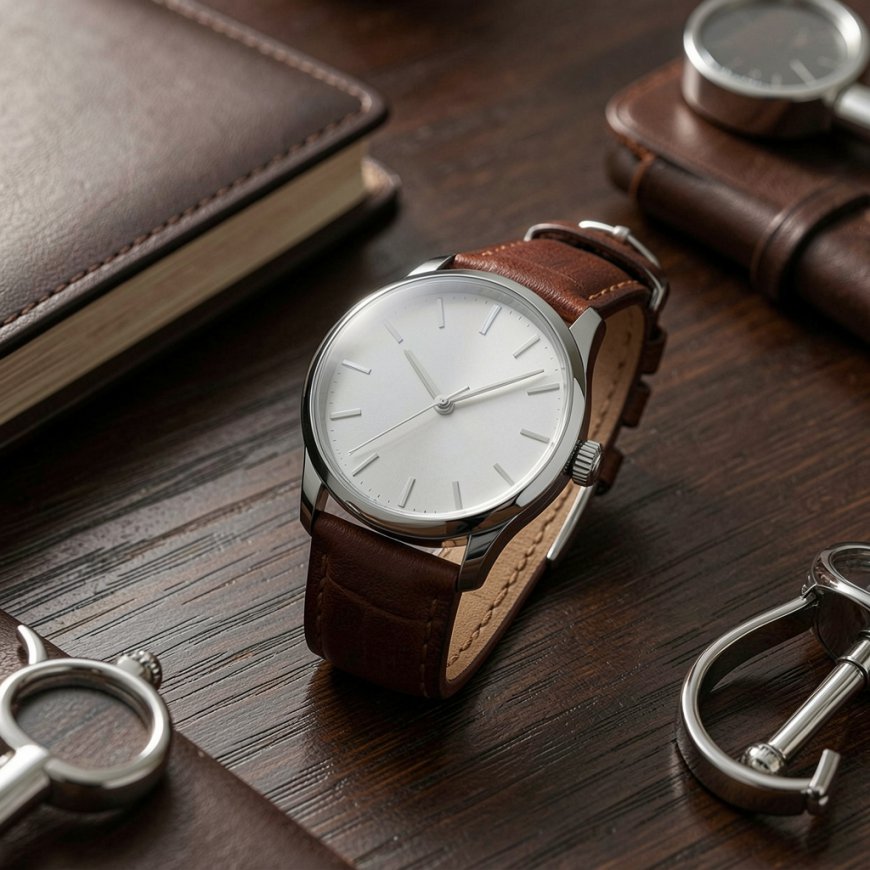
Buying your first high-end timepiece is a rite of passage. It’s one of the few purchases where "spending a lot of money" actually feels like a smart move if you know what you’re looking for. In 2026, the market has shifted away from flashy "hype" watches toward pieces that value heritage, durability, and a sense of quiet confidence.
If you’re ready to move from a basic watch to something that lasts a lifetime, here is how to navigate your first visit to luxury watch retailers.
What Defines a True Luxury Watch?
In 2026, a luxury watch isn't defined just by a famous logo. It’s about the sum of its parts. True luxury means hand-finished movements, scratch-resistant sapphire crystals, and high-grade materials like 316L stainless steel or titanium.
When you walk into an official watch retailer, you are paying for the brand's history and the precision of the engine inside. Unlike mass-produced watches, these pieces are designed to be serviced and repaired for decades, turning a simple accessory into a potential family heirloom.
Setting a Realistic Budget for Your First Luxury Watch
Don't let the six-figure auction results scare you off. For a first purchase, a "sensible" entry-level budget in 2026 typically sits between $1,500 and $5,000. This range gives you access to prestigious Swiss and Japanese brands with incredible build quality.
Remember that the purchase price isn't the only cost. A certified watch retailer will remind you that luxury watches need "oil changes" (servicing) every 5 to 10 years, which can cost a few hundred dollars. Budget for the long game, not just the initial swipe of the card.
Understanding Watch Movements: Automatic vs Quartz
This is the big technical fork in the road.
● Automatic (Mechanical): These are powered by the movement of your wrist. They are accompanied by hundreds of tiny gears. If you value craftsmanship and that smooth, sweeping second-hand motion, this is your choice.
● Quartz: These are battery-powered and incredibly accurate. While some purists look down on them, many luxury watch retailers offer high-end quartz models that are thinner, lighter, and more durable for daily "grab-and-go" wear.
Choosing the Right Style for Your Lifestyle
A watch should fit your life, not just your wrist.
- The "One-Watch" Collection: If you want one piece for everything, look for a 38mm–41mm steel sports watch with 100m water resistance.
- The Professional: If you're in a suit daily, a slim "Dress Watch" on a leather strap slides under a cuff easily.
- The Weekend Warrior: "Tool watches" like divers or GMTs (travel watches) are robust and built to handle a bit of rough-and-tumble.
New vs Pre-Owned Luxury Watches: What to Consider
Buying from an authorized luxury watch dealer gives you the "full experience": the warranty, the fresh box, and the peace of mind that it’s 100% authentic.
However, the pre-owned market in 2026 is massive. Buying "used" can save you 20% to 50% on certain models, but only if you go through a certified watch retailer. Never buy a luxury watch from a random marketplace without a verified service history and an authenticity guarantee. A "good deal" on a fake watch is just an expensive mistake.
Also Read: How to Sell a Luxury Watch You No Longer Use?
Conclusion
Your first luxury watch is more than a tool for telling time; it’s a reflection of your values and the milestones you’ve hit. Take your time, try on different sizes in person, and choose the one from the luxury watch retailers that makes you want to look at your wrist even when you already know what time it is.
Ready to start your collection? Subscribe to our blog for more watch trend reports and maintenance guides!