Top Cybersecurity Tools Every Beginner Should Know
Learn about the top cybersecurity tools every beginner should know, including Kali Linux, Wireshark, Nmap, Metasploit, Burp Suite, Nessus, and Splunk. Discover how these tools help in ethical hacking, vulnerability scanning, network analysis, and building practical cybersecurity skills for a successful career in cybersecurity.
 hc207856
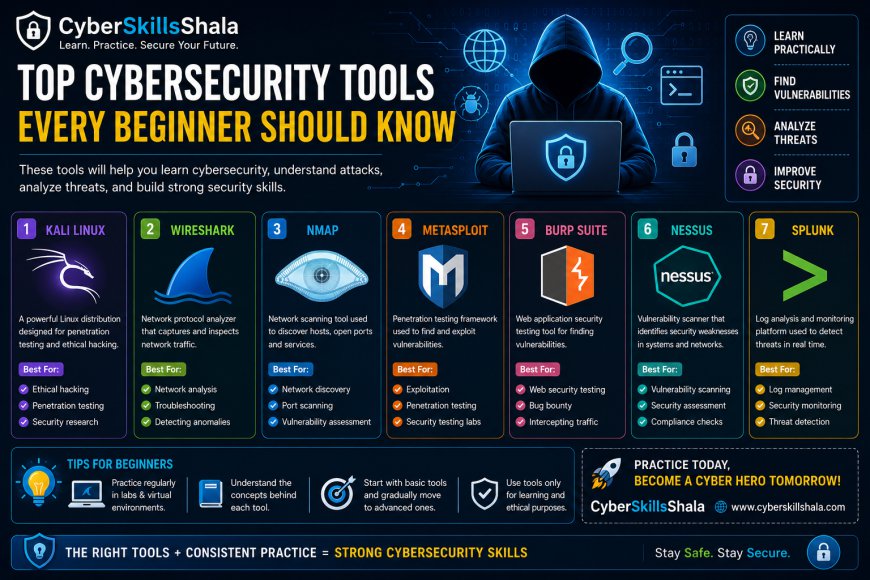
Cybersecurity is one of the fastest-growing career fields in the world today. As cyber attacks continue to increase, companies are actively searching for skilled professionals who can protect systems, networks, and sensitive information. For beginners entering this field, learning cybersecurity tools is one of the best ways to build practical skills and gain hands-on experience.
Cybersecurity tools help professionals analyze networks, detect vulnerabilities, monitor systems, test security weaknesses, and prevent cyber attacks. Whether you want to become an Ethical Hacker, Security Analyst, SOC Analyst, or Penetration Tester, understanding these tools can give you a strong foundation in cybersecurity.
Here are some of the top cybersecurity tools every beginner should know in 2026. Ethical hacking course
1. Kali Linux
Kali Linux is one of the most popular operating systems used by ethical hackers and cybersecurity professionals. It is specially designed for penetration testing, ethical hacking, and security research.
Kali Linux comes with hundreds of pre-installed cybersecurity tools, making it extremely useful for beginners who want to practice security testing in one place.
Why Beginners Should Learn Kali Linux
- Beginner-friendly for cybersecurity practice
- Widely used in ethical hacking
- Includes many built-in tools
- Great for penetration testing labs
Skills You Learn
- Linux commands
- Security testing basics
- Ethical hacking workflows
- Networking concepts
2. Wireshark
Wireshark is one of the best network packet analysis tools available today. It allows users to capture and inspect network traffic in real time.
Cybersecurity professionals use Wireshark to analyze suspicious traffic, troubleshoot network problems, and understand how devices communicate over networks.
What Wireshark Helps With
- Capturing network packets
- Analyzing traffic behavior
- Detecting suspicious activity
- Troubleshooting network issues
Why It’s Important
Learning Wireshark helps beginners understand networking more deeply, which is one of the most important skills in cybersecurity.
3. Nmap
Nmap is a powerful open-source network scanning tool. It is used to discover devices connected to a network, identify open ports, and detect running services.
Nmap is widely used by ethical hackers, penetration testers, and security professionals to assess network security.
Features of Nmap
- Port scanning
- Host discovery
- Service detection
- Vulnerability assessment
Why Beginners Should Learn It
Nmap teaches beginners how attackers and defenders analyze networks. It also improves understanding of network structures and security risks.
4. Metasploit
Metasploit is one of the most popular penetration testing frameworks in cybersecurity.
It helps security professionals identify vulnerabilities and safely test how exploits work in controlled environments.
What Metasploit Is Used For
- Vulnerability testing
- Exploit testing
- Security research
- Penetration testing labs
Benefits for Beginners
Metasploit provides practical exposure to ethical hacking concepts and helps users understand real-world security vulnerabilities.
5. Burp Suite
Burp Suite is a powerful tool used for testing web application security.
It is commonly used to identify vulnerabilities like:
- SQL Injection
- Cross-Site Scripting (XSS)
- Authentication flaws
- Session management issues
Why Burp Suite Matters
As websites and web applications continue to grow, web security has become extremely important. Burp Suite helps beginners understand how web attacks happen and how applications can be secured.
6. Nessus
Nessus is a vulnerability scanning tool used by organizations worldwide.
It scans systems and networks to identify security weaknesses, outdated software, and misconfigurations.
Key Advantages
- Easy vulnerability scanning
- Detailed security reports
- Useful for security assessments
- Beginner-friendly interface
Why Learn Nessus
Nessus introduces beginners to vulnerability management, which is an important part of cybersecurity operations.
7. Splunk
Splunk is widely used for log analysis and security monitoring.
Organizations use Splunk to monitor events, detect suspicious behavior, and investigate security incidents in real time.
Skills You Learn with Splunk
- Log analysis
- Threat monitoring
- Incident investigation
- Security event management
Why It’s Valuable
Many cybersecurity job roles require basic knowledge of SIEM (Security Information and Event Management) tools, and Splunk is one of the most popular platforms in the industry.
Tips for Beginners Learning Cybersecurity Tools
If you are just starting your cybersecurity journey, here are some important tips:
- Focus on learning one tool at a time
- Practice regularly in virtual labs
- Understand the concepts behind each tool
- Use tools only for ethical and legal purposes
- Build small projects and practice environments
- Stay updated with new cybersecurity trends
Remember, tools alone do not make someone a cybersecurity expert. Understanding networking, operating systems, security concepts, and practical problem-solving is equally important.
Final Thoughts
Cybersecurity is a practical skill-based field, and learning the right tools can help beginners build strong technical knowledge and real-world experience. Tools like Kali Linux, Wireshark, Nmap, Metasploit, Burp Suite, Nessus, and Splunk are excellent starting points for anyone interested in cybersecurity.
With consistent practice, hands-on learning, and curiosity, beginners can gradually develop the skills needed to build a successful cybersecurity career. Start small, keep learning, and continue practicing — because cybersecurity rewards those who stay curious and consistent.