Troubleshooting Reversing Counter Cards in Turbine Control Systems
Learn how to troubleshoot reversing counter cards in turbine control systems to improve reliability, accuracy, and performance.
 george968725
Introduction
Turbine control systems depend on a network of electronic components to ensure accurate monitoring, control, and protection of critical equipment. Among these components, reversing counter cards play a vital role in processing pulse signals and tracking rotational direction. When these cards malfunction, they can lead to inaccurate readings, operational disruptions, and reduced system reliability. Understanding how to identify and resolve common issues is essential for maintenance teams responsible for turbine performance.
What Is a Reversing Counter Card?
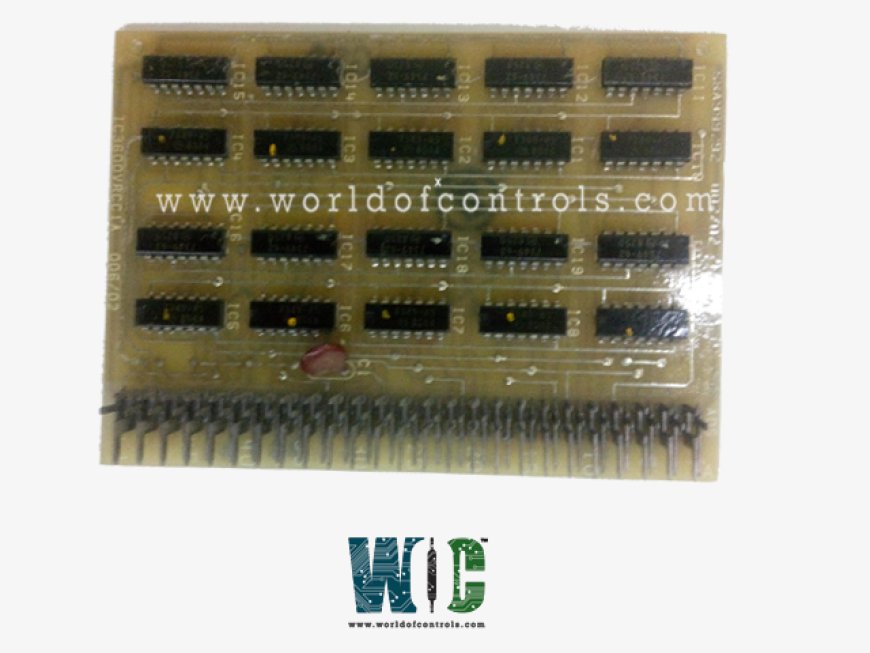
A reversing counter card is an electronic module used to count incoming pulses while determining the direction of movement or rotation. In turbine applications, these cards receive signals from sensors, encoders, and other monitoring devices that track shaft movement, rotational speed, and equipment position.
By accurately interpreting these signals, reversing counter cards help control systems maintain precise operational data, enabling safe and efficient turbine operation. Their performance is particularly important in power generation facilities where reliability and accuracy are critical.
Common Signs of Reversing Counter Card Problems
Recognizing early warning signs can help prevent costly downtime and equipment issues.
Inaccurate Count Readings
One of the most common symptoms is incorrect pulse counting. Operators may notice inconsistent readings, unexpected fluctuations, or values that do not match actual equipment conditions.
Direction Detection Failures
A faulty card may struggle to correctly identify changes in rotational direction. This can affect control system logic and lead to inaccurate operational feedback.
Intermittent Signal Interruptions
Unstable connections, aging components, or damaged circuitry can cause signals to drop intermittently. These interruptions may trigger alarms or result in inconsistent system performance.
Unexpected System Alarms
Control systems often generate diagnostic alerts when signal-processing issues are detected. Frequent alarms related to counting or monitoring functions may indicate a problem with the reversing counter card or its associated components.
Key Troubleshooting Steps
A systematic approach helps maintenance personnel identify the root cause of issues more efficiently.
Inspect Wiring and Connections
Begin by checking all cable connections, terminals, and interface points. Loose, damaged, or corroded connections are common causes of signal-related problems.
Verify Sensor and Encoder Performance
Since reversing counter cards rely on external devices for input signals, technicians should confirm that sensors and encoders are functioning correctly and producing consistent pulse outputs.
Check Power Supply Stability
Inadequate or fluctuating power can negatively affect card performance. Verify that voltage levels remain within the specified operating range of the control system.
Review Diagnostic Information
Modern turbine control systems often include diagnostic tools, alarm logs, and status indicators. Reviewing these resources can provide valuable insight into the source of a fault.
Evaluate Environmental Conditions
Electronic components are sensitive to excessive heat, vibration, moisture, and dust. Inspecting the control cabinet environment can help identify external factors contributing to card failure.
Preventive Maintenance Recommendations
Routine preventive maintenance can significantly reduce the likelihood of unexpected failures. Regular inspections, cleaning of control panels, verification of signal quality, and monitoring of operating conditions help maintain long-term reliability.
Facilities should also establish proactive replacement strategies for aging control system components and maintain critical spare parts to minimize downtime during repairs.
Conclusion
Reversing counter cards are essential for accurate signal processing and directional monitoring within turbine control systems. When issues occur, they can affect system performance, operational accuracy, and overall plant reliability. By understanding common failure symptoms, following structured troubleshooting procedures, and implementing preventive maintenance practices, turbine operators can ensure dependable performance and reduce the risk of unplanned outages.