Warehouse Organization System: Building an Efficient Storage and Fulfillment Strategy
Learn how a warehouse organization system improves storage, boosts efficiency, and supports a strong fulfillment strategy for faster and accurate order processing.
 logisticsconsultant
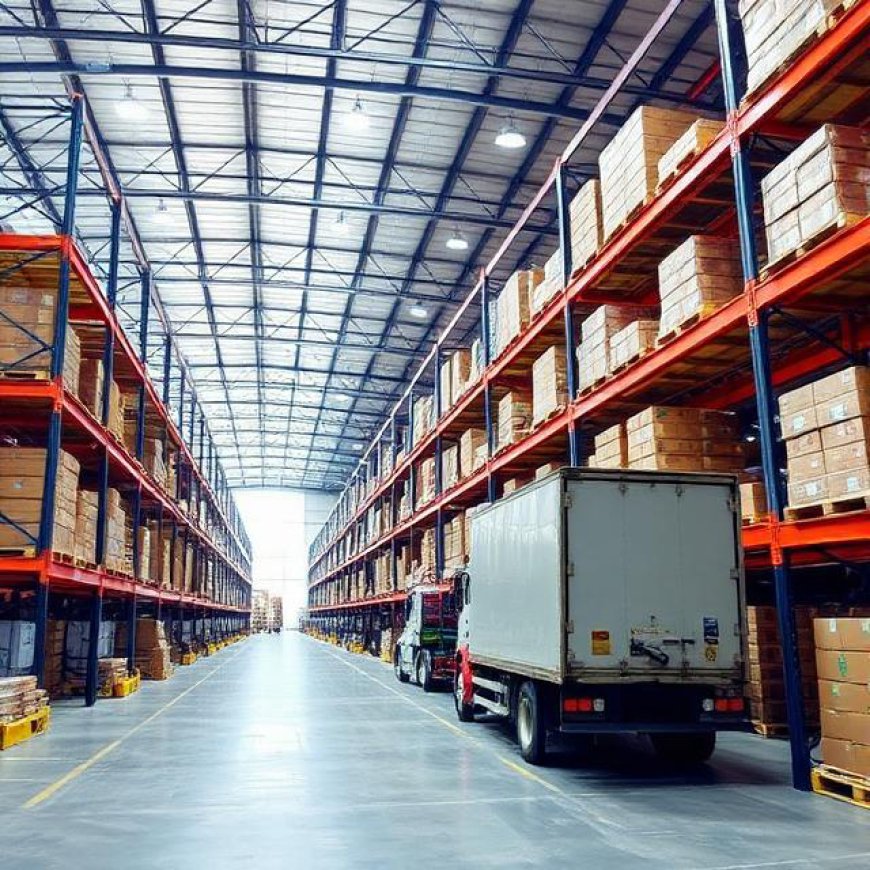
In today’s fast-paced logistics and eCommerce environment, efficient warehouse operations are the backbone of successful supply chain management. Businesses must ensure that their storage systems, inventory tracking, and operational workflows are optimized for speed and accuracy. This is where a warehouse organization system, warehouse inventory management, and a warehouse management platform play a crucial role.
By integrating these solutions, companies can streamline processes, reduce errors, and improve overall productivity.
What is a Warehouse Organization System?
A warehouse organization system focuses on structuring the physical layout of a warehouse to maximize efficiency and accessibility. It involves categorizing products, optimizing storage space, and ensuring smooth movement of goods within the facility.
An effective warehouse organization system includes:
- Proper shelving and bin allocation
- Logical product categorization
- Clear labeling and barcode systems
- Optimized picking paths
With a well-designed warehouse organization system, businesses can reduce picking time, minimize errors, and improve workflow efficiency.
Understanding Warehouse Inventory Management
Warehouse inventory management is the process of tracking, controlling, and optimizing stock levels within a warehouse. It ensures that businesses have the right products available at the right time without overstocking or running out of inventory.
Key benefits of warehouse inventory management include:
- Real-time stock visibility
- Accurate inventory tracking
- Reduced risk of stockouts and overstocking
- Improved order fulfillment accuracy
Modern warehouse inventory management systems use automation, barcoding, and data analytics to provide real-time insights and improve decision-making.
What is a Warehouse Management Platform?
A warehouse management platform (WMS) is a comprehensive software solution that integrates all warehouse operations into a single system. It combines inventory tracking, order processing, and workflow management to create a seamless and efficient warehouse environment.
With a warehouse management platform, businesses can:
- Automate receiving, picking, packing, and shipping processes
- Track inventory across multiple locations
- Improve labor productivity and resource allocation
- Gain real-time insights into warehouse performance
A robust warehouse management platform acts as the central hub for managing all warehouse activities.
How These Systems Work Together
The combination of a warehouse organization system, warehouse inventory management, and a warehouse management platform creates a highly efficient and scalable warehouse operation.
Here’s how they complement each other:
- A warehouse organization system ensures a structured and optimized physical layout
- Warehouse inventory management tracks stock levels and ensures accuracy
- A warehouse management platform integrates and automates all processes
Together, these solutions provide end-to-end visibility, improve operational efficiency, and reduce manual errors.
Benefits for Businesses
Implementing these systems offers numerous advantages:
- Faster order processing and fulfillment
- Improved inventory accuracy and control
- Reduced operational costs
- Enhanced productivity and workflow efficiency
- Better customer satisfaction through timely deliveries
Businesses that invest in a warehouse organization system, warehouse inventory management, and a warehouse management platform can scale operations effectively while maintaining high service quality.
Conclusion
The integration of a warehouse organization system, warehouse inventory management, and a warehouse management platform is essential for building a modern, efficient, and scalable warehouse operation. These solutions help businesses optimize storage, improve inventory accuracy, and streamline workflows, ensuring faster and more reliable order fulfillment. In an increasingly competitive market, adopting these technologies is key to enhancing operational performance and achieving long-term success in logistics and eCommerce.