Navigating the Modern World of Custom Packaging Suppliers
Selecting elite suppliers ensures brand consistency, sustainability, and innovative design, essential factors for building customer trust and scaling retail operations.
 boxopackagingusa
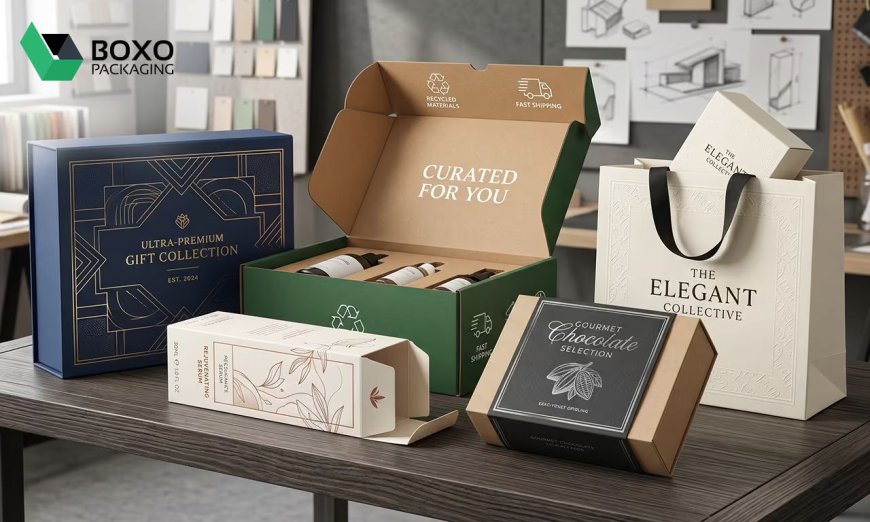
In today’s hyper-competitive retail environment, the unboxing experience has become a cornerstone of brand identity. For businesses looking to scale, partnering with reliable Custom Packaging Suppliers is not merely a logistical choice—it is a strategic decision that directly influences brand perception and customer retention. As we move through 2026, the intersection of sustainability, structural efficiency, and high-end aesthetic design has redefined what it means to be a top-tier provider in this space.
Evaluating Potential Partners
Selecting the right partner requires a deep dive into their capabilities beyond simple production. A premium supplier acts as an extension of your creative team, capable of translating brand values into tangible, physical form. When auditing potential collaborators, consider the following essential criteria:
- Manufacturing Versatility: A strong partner should offer diverse material options, from rigid luxury board to eco-friendly corrugated cardboard, ensuring they can handle both high-volume orders and bespoke requirements.
- Technological Integration: Look for suppliers who utilize advanced digital printing, automated die-cutting, and structural design software to ensure precision and rapid turnaround times.
- Supply Chain Transparency: In the current market, your supplier must be able to provide verifiable sourcing data to satisfy modern consumers who demand ethically produced materials.
- Scalability and Logistics: Whether you are launching a startup or managing a multinational enterprise, your partner must have the infrastructure to support your growth through efficient storage and shipping solutions.
The Shift toward Sustainable Innovation
Environmental responsibility is the defining factor of modern industrial design. High-quality custom packaging suppliers are currently pivoting away from traditional plastics in favor of plant-based adhesives, vegetable-based inks, and recycled pulp fibers. This evolution is driven by both regulatory shifts and a growing consumer preference for brands that minimize their carbon footprint. By opting for mono-material designs, which are significantly easier to recycle, businesses can effectively align their packaging strategy with global environmental goals while maintaining a high-end look.
Achieving Brand Excellence
The goal of high-end design is to create a sense of anticipation before the product is even revealed. For instance, Boxo Packaging works closely with businesses to integrate custom inserts and protective layers that ensure product safety without compromising on visual impact. By balancing form and function, brands can effectively reduce the risk of damage during transit, which lowers return rates and increases overall profitability.
Furthermore, the integration of smart elements—such as embedded NFC tags that track the product’s journey or provide digital authenticity verification—is becoming a standard expectation. These interactive features transform the packaging from a disposable outer shell into a digital touchpoint, allowing brands to capture customer data and provide personalized post-purchase experiences.
Building a Long-Term Strategy
Strategic growth in the current digital landscape requires consistency. When you collaborate with Boxo Packaging, the focus is placed on long-term scalability and cohesive design language. Consistent branding across all SKUs builds trust and recognition, turning every delivered shipment into a mobile advertisement for your business.
As you continue to source your supplies, prioritize providers that offer consistent quality, transparent communication, and an innovative approach to design. By investing in a high-quality relationship with your vendor, you ensure that every product leaving your facility arrives exactly as intended, reinforcing your reputation for excellence and reliability in an increasingly crowded marketplace.
Elevating Your Brand: The Rise of Stylish Soap Boxes
In the competitive world of personal care and artisan retail, the first impression is often determined before the consumer even touches the product. For makers of handcrafted, organic, or luxury soaps, the exterior presentation is as vital as the formulation inside. Using high-quality Soap Boxes has become a fundamental strategy for businesses aiming to differentiate themselves on crowded retail shelves and in the digital marketplace. As we move further into 2026, packaging has evolved from a simple containment vessel into a powerful marketing tool that communicates a brand’s values, quality, and aesthetic appeal.
The Intersection of Function and Fashion
Modern packaging design is a delicate balance between protecting the delicate contents and showcasing them with elegance. Soaps are often sensitive to moisture, humidity, and handling during transport, which makes the choice of substrate and structure critical. Beyond protection, today’s soap boxes are being designed with a focus on "unboxing luxury." This includes the integration of unique opening mechanisms, premium finishes, and thoughtful dimensions that turn a mundane utility item into a desirable gift or a premium lifestyle product.
Design Trends Transforming the Soap Industry
To stay relevant, brands are embracing creative techniques that engage the senses. Whether you are selling small-batch goat milk bars or high-end aromatherapy cleansers, the following trends are currently shaping the industry:
- Eco-Friendly Minimalism: Consumers are increasingly wary of excess waste. Brands are pivoting toward plastic-free, recyclable, and biodegradable paperboard that features earth-toned palettes and clean typography.
- Window Cutouts: Adding a die-cut window allows customers to see the texture and color of the soap, while also catching a hint of the fragrance profile, which significantly boosts purchase confidence.
- Botanical and Organic Graphics: Using illustrations that highlight the ingredients (such as lavender sprigs, oatmeal, or essential oils) creates an immediate visual connection to the product’s natural origins.
- Interactive Branding: Incorporating QR codes on the underside or back of the packaging provides a seamless way to direct customers to your website, ingredient transparency reports, or video demonstrations of the soap-making process.
Partnering for Professional Results
Achieving a professional finish requires more than just a good design; it demands precision manufacturing. Boxo Packaging works closely with businesses to ensure that structural integrity meets creative vision. By utilizing advanced printing techniques such as hot foil stamping, soft-touch laminates, or embossing, you can add a tactile dimension to your soap boxes that makes your product feel more valuable. This investment in the physical presentation helps justify premium pricing and builds long-term customer recognition.
Why Your Packaging Strategy Matters?
The shift toward "New SEO" and semantic search means that your brand’s digital presence is deeply tied to the quality of your content and user satisfaction. When customers receive your product, the packaging serves as the final touchpoint of their customer journey. High-quality soap boxes reduce the likelihood of damage during shipping, which in turn reduces negative reviews and returns.
Furthermore, Boxo Packaging understands that a well-structured box can optimize logistics. By designing custom fits that reduce excess space, you lower your shipping costs and decrease your carbon footprint, aligning your operational efficiency with the environmental expectations of the modern consumer. In an era where shoppers are flooded with options, the brands that invest in intentional, stylish, and sustainable packaging are the ones that capture the spotlight, foster trust, and sustain growth in an increasingly crowded market.