What Your Ear Jewelry Choices Can Say About Your Personal Style
Explore different ear piercing placements, jewelry sizing, and styling ideas with this easy-to-follow overview of popular ear piercings and how they work together.
 antiquecut44
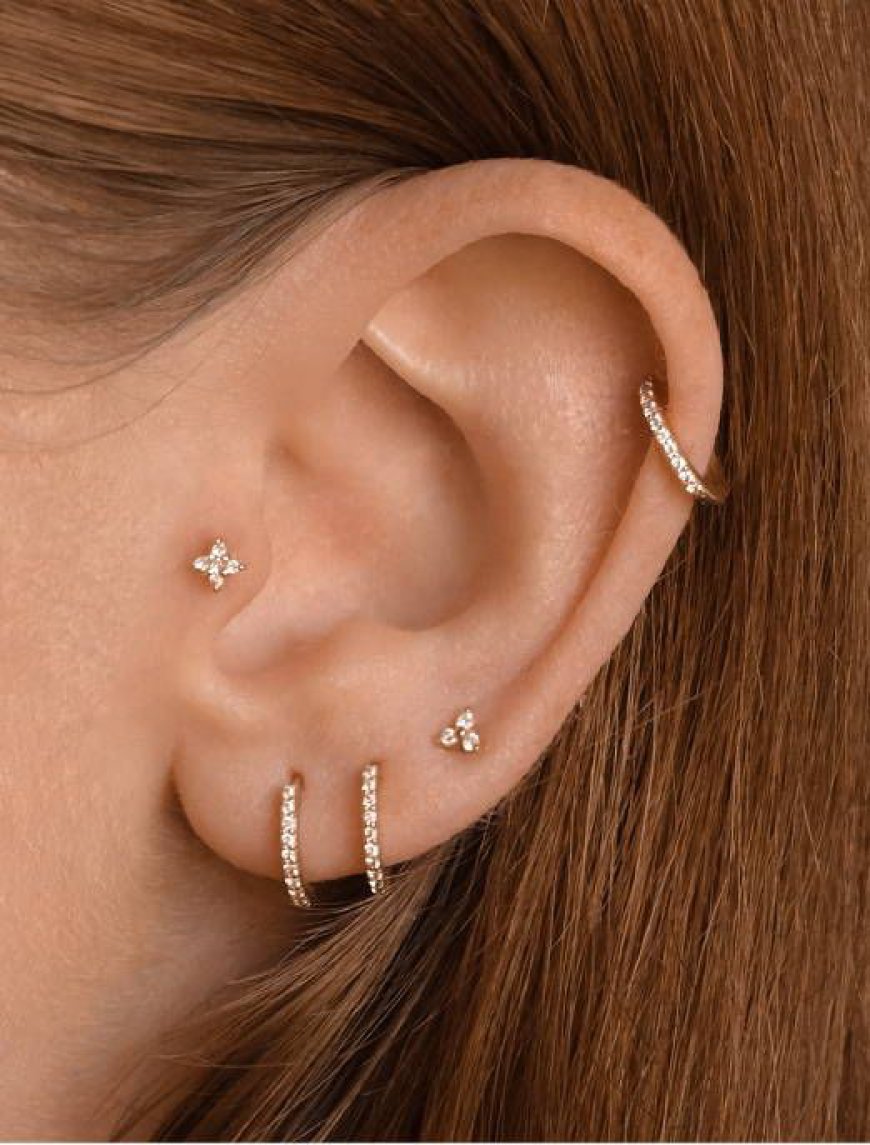
Ear piercings have become one of the most creative ways to express individuality. From a simple lobe piercing to multiple placements across the ear, every choice creates a unique look. Many people start with one piercing and gradually add more as they discover styles that match their personality.
Understanding the different areas of the ear can make the process much easier. Whether you're considering your first piercing or planning a curated ear setup, learning about placement options, jewelry sizes, and healing considerations can help you make informed decisions.
If you're exploring different placements, you can read more about the ear piercing chart to better understand how various piercing locations are positioned across the ear.
Understanding the Structure of the Ear
The ear consists of several sections that can accommodate different types of piercings. The soft lower portion, known as the lobe, is often the first choice for beginners because it generally heals more quickly than cartilage piercings.
Above the lobe lies the cartilage area, which includes several popular piercing locations such as the helix, forward helix, rook, tragus, daith, and conch. Each placement offers a different appearance and can be styled with various jewelry designs.
Many people refer to an all ear piercings chart when comparing these locations because it provides a visual understanding of how each piercing fits within the overall ear structure.
Exploring Popular Ear Piercing Placements
The lobe remains one of the most common options because it offers flexibility in jewelry selection. Multiple lobe piercings can create a layered appearance while remaining comfortable for everyday wear.
Helix piercings are positioned along the outer rim of the upper ear and are often chosen by individuals who want to add character without dramatically changing their appearance. Forward helix piercings, located near the front of the ear, create an eye-catching detail that complements other placements.
The tragus sits in front of the ear canal and provides a distinctive look despite its small size. The daith passes through the innermost cartilage fold and has gained popularity due to its unique placement.
Conch piercings occupy the central cartilage area and can be styled with studs or rings depending on personal preference. The rook and snug are less common choices but offer a striking appearance for those seeking something different.
A types of ear piercing chart can be helpful when comparing these placements and understanding their locations before committing to a new piercing.
Why Placement Matters
Selecting the right placement involves more than aesthetics. Ear anatomy varies from person to person, meaning not every piercing option is suitable for everyone. A professional piercer can evaluate the shape and structure of your ear to determine which placements will work best.
Lifestyle factors also play an important role. People who frequently wear headphones, helmets, or protective equipment may find certain cartilage piercings less comfortable during healing.
Reviewing an ear piercing types chart before scheduling an appointment can help narrow down your choices and make discussions with your piercer more productive.
Understanding Jewelry Measurements
Jewelry sizing is an important aspect of both comfort and appearance. The thickness of the jewelry, often referred to as gauge size, determines how the piercing fits and heals.
Lobe piercings commonly use thinner jewelry, while many cartilage piercings may require slightly different measurements depending on the location. Diameter and length are also important because they affect how securely jewelry sits within the piercing.
For anyone purchasing jewelry online, an ear piercing size chart can provide valuable information about common measurements used for different piercing locations. Understanding these dimensions helps reduce the risk of selecting jewelry that feels too tight or too loose.
Building a Balanced Ear Arrangement
Creating a cohesive ear setup often involves combining multiple piercing placements. Some people prefer a symmetrical look with matching jewelry on both ears, while others enjoy mixing placements and styles for a more personalized arrangement.
A balanced combination may include multiple lobe piercings paired with a helix or tragus piercing. Others may choose a conch, daith, and forward helix combination to create visual interest throughout the ear.
Many jewelry enthusiasts reference ear piercing charts when planning future additions because they make it easier to visualize how different placements work together.
Factors to Consider Before Getting Pierced
Proper planning can improve the overall piercing experience. Choosing a reputable studio, following aftercare instructions, and allowing sufficient healing time are all essential steps.
Cartilage piercings typically require a longer healing period than lobe piercings. During this time, avoiding unnecessary pressure and maintaining cleanliness can help support recovery.
Looking at an all ear piercing chart before your appointment may also help you understand which areas are more suitable for your goals and lifestyle.
Choosing Jewelry for Different Piercings
Jewelry selection often depends on both placement and personal taste. Studs are commonly used during the initial healing period because they remain stable and reduce movement. Rings may be introduced later if the piercing has healed properly.
Metals such as titanium, surgical steel, and gold are popular choices because they are generally well tolerated by many individuals. Selecting high-quality jewelry can contribute to a more comfortable experience and support long-term wear.
When comparing jewelry options, many people find a comprehensive ear chart for piercings useful because it connects specific placements with appropriate jewelry styles.
Finding Inspiration for Your Next Piercing
The growing popularity of curated ears has encouraged people to view ear piercings as part of an overall style rather than isolated accessories. Combining different placements allows for endless possibilities, whether you prefer a minimalist appearance or a more detailed arrangement.
For those looking to better understand different piercing placements and jewelry options, Antiquecut offers educational resources that help readers explore ear anatomy, piercing locations, and styling possibilities before making a decision.
Conclusion
Ear piercings offer countless opportunities for self-expression through placement, jewelry selection, and overall styling. Understanding the anatomy of the ear, common piercing locations, and jewelry sizing can make the decision-making process much easier.
Whether you're considering your first piercing or planning additional placements, reviewing an all ear piercings chart and an ear piercing size chart can provide valuable insight into what works best for your goals. With careful planning and quality jewelry, you can create a look that feels uniquely your own.