Why Are Drivers Blacking Out Their Trim?
 robertsmithus
Chrome trim used to be the whole point, shiny bits catching the light around windows, door handles, the grille. Everyone wanted it. Now it's flipped completely, and dechrome car Ireland searches have climbed noticeably as more drivers decide they'd rather have that clean, blacked-out look instead of whatever chrome finish the car left the factory with. Not just an aesthetic thing either, though yeah, that's most of it. There's actual technique involved doing this properly, without wrecking trim pieces or ending up with something patchy that looks half-finished. Easy to get wrong, honestly. And it usually shows the second sunlight hits the panel at the wrong angle.
Where This Trend Actually Came From
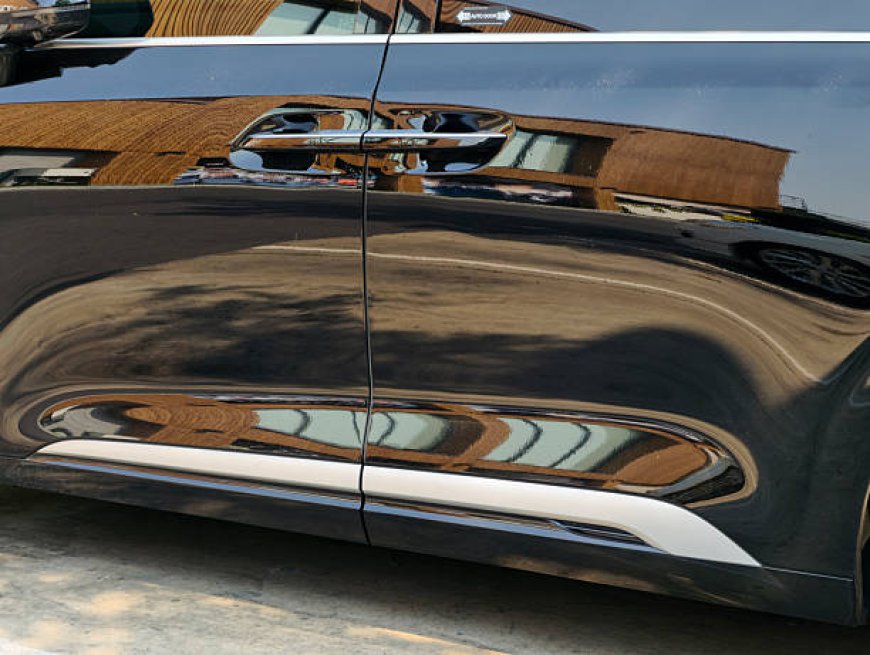
Started in modified car culture mostly, then slowly crept into the mainstream as manufacturers themselves started offering gloss black trim as a factory option on newer models. For owners of older cars still rocking chrome, dechroming became a way to modernize the whole look without paying for a full respray or real bodywork. Gives a car a more aggressive, pulled-together appearance, especially on darker colored vehicles where chrome accents can start looking dated or just clash with whatever style the owner's actually going for. Some people do it purely for the look. Others do it because chrome ages badly, pitting, peeling, losing its shine in ways black trim just hides better as the years pile on.
The Methods People Are Actually Using
More than one way to do this, and which method you pick affects both cost and how long the thing actually holds up. Vinyl wrapping's probably the most common route, applying black vinyl film right over the chrome pieces, reversible if you change your mind later, and reasonably affordable compared to other options. Plasti dip's another popular one, rubberized coating that gets sprayed on, peels off later if needed, though it's honestly less durable long term, especially against Irish weather, which isn't gentle on exterior finishes most of the year, let's be real. Powder coating and actual paint sit at the more permanent end, better durability, but you lose the option to reverse it easily if your taste changes or you sell the car down the line.
Prep Work Is Where Most Jobs Actually Fall Apart
Doesn't matter which method you go with, prep work is what makes or breaks the final result, and this is exactly where a lot of DIY attempts go sideways. Trim pieces need proper cleaning, and honestly should get removed from the car entirely for the best results, working around edges while everything's still bolted on makes clean, sharp lines way harder to pull off. Any wax or protective coating on the chrome's gotta get stripped first too, vinyl and coatings just won't stick right to a surface still carrying residue from your regular car care Ireland routine, waxing, sealants, whatever's been applied over the years. Skip this step and that's probably the number one reason a dechrome job starts peeling or bubbling within a couple months instead of holding up the way it should.
DIY Versus Professional, And Why It Shows
Plenty of people try this themselves, and honestly it's doable with patience and decent materials. But there's a real gap between a careful DIY attempt and one done by somebody who's actually applied vinyl or coatings for a living. Getting clean edges around curved trim, window surrounds especially, takes practice most first-timers just don't have yet. Air bubbles trapped under vinyl, uneven thickness with plasti dip, that stuff shows up clear as day once sunlight hits the panel at certain angles, even if it looked fine under garage lighting while you were applying it. Doesn't mean DIY's a bad call, people get good results with patience and enough tutorials watched beforehand. Just go in knowing there's a learning curve if you want it looking intentional instead of rushed.
How This Actually Holds Up Against Our Weather
Ireland's climate isn't kind to exterior finishes, constant rain, humidity, temperature swings all year round, and all of it affects how long a dechrome job lasts before it needs touch-ups or a full redo. Vinyl wraps generally hold up okay if applied right, though edges can start lifting eventually as moisture works its way underneath the film over time. Plasti dip tends to wear faster here specifically, the coating just isn't as tough against constant damp conditions compared to somewhere with a drier climate year round. Worth factoring in before you commit, a method that works great somewhere sunnier might not hold up nearly as well here without more frequent maintenance.
What You're Actually Paying For
Pricing swings quite a bit depending on the method and how much trim actually needs covering. Vinyl sits somewhere in the middle, pricier than plasti dip but generally cheaper than powder coating or paint, and cost climbs if you're wrapping bigger areas, full window surrounds versus just small accents around the door handles. Plasti dip's usually the cheapest way in, which is exactly why it's popular for people testing the look before committing to something pricier or more permanent. Powder coating and paint sit at the top of the price range, but you're getting the most durable finish if it's done properly by someone who actually knows automotive coatings, not just general industrial powder coating that isn't built for car trim specifically.
Finding Someone Who Actually Knows The Job
Going professional instead of DIY, worth actually vetting who you're handing this to rather than just picking whoever's cheapest or closest to home. Ask to see photos of previous dechrome work, pay close attention to edge work specifically, how clean the lines look around curved or fiddly trim pieces. Ask what method they'd genuinely recommend for your car and our climate, a good technician should walk you through the tradeoffs honestly instead of just pushing whatever makes them the most money. Reviews mentioning how the work's held up over time, not just how it looked the day it was finished, tend to matter more, since that's really the test of whether prep and application were done properly to begin with.
Conclusion
Dechroming changes a car's whole look pretty dramatically, and getting a result that actually looks clean and deliberate comes down to picking the right method for your situation and making sure prep work actually happens before any coating or vinyl goes anywhere near the trim. Whether you're going the DIY route with patience and some research behind you, or trusting someone with more hands-on experience doing this kind of detailed trim work, understanding what's actually involved sets realistic expectations for cost, durability, and how it'll hold up against Irish weather over the long haul. Genuinely popular modification for good reason, gives older cars a more modern, pulled-together look without the cost of major bodywork or a full respray. Take your time researching, don't rush the prep, because that's honestly where the difference between a lasting clean job and a peeling mess in a few months actually gets decided.