Why Are More Homeowners Choosing Sustainable Homes Over Traditional Builds Today?
 metaminds
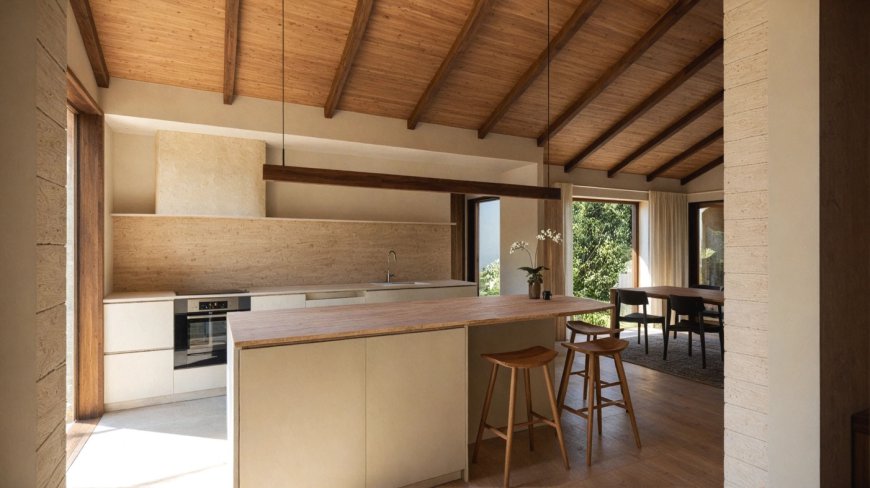
Most people used to buy homes based on appearance first. Big kitchens. Fancy tiles. Nice lighting. That stuff still matters, obviously. But homeowners are starting to ask tougher questions now. How much does the place cost to heat? Does it stay cool in summer? Is the build quality actually decent or just dressed up nicely for photos? That shift matters. A lot. Carland Constructions gets attention because more buyers want homes that function properly long after handover day. Not just homes that look good online for six months. People are getting tired of massive power bills and uncomfortable rooms. Fair enough, honestly. A house should feel stable and practical year-round without forcing owners into constant maintenance headaches. Better insulation, smart orientation, quality materials, these things change daily life more than most people realise initially. Once someone lives in a genuinely well-performing home, going back to badly designed housing feels frustrating pretty quickly. Standards are changing slowly, but definitely changing.
Cheap Builds Usually Become Expensive Problems Later
A low upfront price can fool people badly sometimes. Developers know that. Homes built cheaply often cost owners more later through repairs, energy waste, and ongoing maintenance. Poor insulation alone can quietly drain money for years. Same with badly installed windows or rushed waterproofing jobs. People don’t always see those issues immediately because cosmetic finishes hide them at first. Then winter hits properly, or summer temperatures spike, and suddenly the house becomes uncomfortable constantly. Sustainable building approaches focus more on long-term performance instead of short-term savings tricks. That’s a smarter investment, honestly. Spending slightly more during construction to avoid decades of inefficiency makes practical sense when you think about it. Yet many standard builders still cut corners because buyers don’t always ask enough questions. Thankfully, that’s shifting a little now. More homeowners are researching building performance before signing contracts. They want durability. Lower running costs. Better comfort. Not just oversized stone benchtops and marketing promises that disappear after settlement.
Sustainable Design Isn’t Just About Saving The Planet
People hear “green building” and immediately imagine some extreme lifestyle sacrifice. Solar panels everywhere. Tiny rooms. Compost bins beside the couch, probably. But Sustainable Construction really comes down to smarter design choices that improve normal everyday living. Better airflow. Cleaner indoor air. Stable temperatures. Less energy waste. More natural light. Homes designed properly simply feel better to live in. That’s the real selling point, honestly. Environmental benefits matter, too, of course, but comfort usually convinces homeowners faster. Melbourne weather, especially, can swing around wildly in one day, so houses built thoughtfully handle those changes much better. Instead of relying constantly on heaters and air conditioning, sustainable homes work with the environment more naturally. And that reduces stress financially as well. People underestimate how exhausting and uncomfortable housing can become over time. Drafty rooms. Condensation. Constant thermostat adjustments. Living shouldn’t feel like battling your own house every season. Yet plenty of standard homes still function exactly like that.
Homeowners Care More About Energy Bills Than Ever Before
Electricity costs have become impossible to ignore lately. Every family notices it now. Running heating and cooling systems constantly can absolutely wreck monthly budgets, especially in poorly performing homes. That’s partly why energy-efficient construction is gaining serious traction across Melbourne suburbs. Buyers want houses designed to reduce ongoing costs instead of creating more financial pressure every year. Smart insulation, thermal glazing, passive solar orientation — these aren’t fancy extras anymore. They’re becoming expectations. And honestly, they should be. Modern homes should already handle climate conditions intelligently without relying heavily on mechanical systems all day long. People are becoming less impressed by flashy upgrades if the actual building performs terribly underneath. Makes sense. Nobody enjoys paying huge energy bills just because their house leaks heat through badly installed windows or thin walls. More builders are adapting because the market’s forcing them to. Homeowners ask sharper questions now. They expect better construction standards than previous generations tolerated quietly.
Better Materials Usually Mean Better Living Conditions Too
Materials matter more than many buyers realise initially. Cheap products age badly. That’s the truth of it. Low-grade insulation compresses over time. Poor-quality windows fail earlier. Weak waterproofing creates expensive problems hidden behind walls for years sometimes. Sustainable building approaches usually focus harder on durability because constantly replacing materials creates waste anyway. Better timber sourcing, low-toxicity finishes, and higher-performance insulation systems all contribute to healthier living conditions long term. Indoor air quality is especially overlooked too often. Some homes trap moisture and pollutants badly, making rooms feel stale or uncomfortable constantly. Better material choices help reduce that issue significantly. Families with kids often notice these differences faster than anyone. Less condensation. Cleaner airflow. More consistent temperatures. It adds up daily. Sustainable Construction isn’t just about environmental branding, honestly. It’s about creating houses that physically perform better over decades instead of slowly falling apart underneath cosmetic finishes. Homeowners deserve construction quality that actually lasts properly.
Smart Builders Think Beyond The Initial Handover Day
Some builders focus entirely on finishing projects fast. Others think harder about how homes will perform ten or twenty years later. Big difference there. Good construction isn’t only about meeting minimum code requirements. It’s about understanding how materials interact, how airflow affects comfort, and how insulation impacts energy use over time. Builders paying attention to those details produce homes that age more gracefully. Owners feel that difference eventually. Less cracking. Fewer moisture issues. Better temperature stability. Homes built thoughtfully require less constant correction later. That matters financially and emotionally, honestly. People already spend enough stress dealing with mortgages without adding construction problems on top. More homeowners are recognising the value of careful planning and skilled workmanship instead of simply chasing cheaper quotes. The building industry probably needed that shift badly. Too many rushed projects created distrust over the years. Buyers now want proof their homes were designed intelligently, not just assembled quickly to maximise developer profits before moving onto the next site.
Sustainable Homes Tend To Feel Calmer Inside Somehow
Hard to explain properly unless you’ve spent time inside one, but sustainable homes often feel quieter and calmer overall. Better insulation reduces outside noise dramatically. Stable indoor temperatures remove that constant, uncomfortable feeling many older homes create. Natural lighting improves mood, too. Sounds small, maybe, but these things shape daily life more than people realise. Some traditional houses feel exhausting, honestly. Too hot upstairs. Too cold downstairs. Traffic noise leaks through the windows constantly. The air feels stale after a few hours indoors. Sustainable design tries to reduce those stress points naturally through smarter planning rather than temporary fixes. People working remotely notice this even more now because they spend longer periods inside their homes daily. A well-performing house supports concentration and comfort quietly in the background. That emotional side of building design deserves more attention, honestly. Housing shouldn’t just provide shelter. It should create spaces people genuinely enjoy living in without constant frustration or physical discomfort lingering underneath everything.
Buyers Are Thinking Longer Term About Property Value Now
The property market is changing slightly because buyers increasingly understand that long-term running costs affect value too. A beautiful home with terrible energy performance becomes less attractive once owners calculate actual living expenses properly. Sustainable homes often hold more appeal because they combine efficiency, comfort, and durability in ways standard construction sometimes struggles to match. Future buyers ask more questions about thermal ratings, insulation quality, and energy systems than they did ten years ago. Especially younger families entering expensive housing markets, who are already stretched financially. They want houses prepared for future energy costs and climate conditions, not homes needing expensive upgrades immediately after purchase. That shift pushes builders toward higher standards, whether they like it or not, honestly. Smart homeowners are researching building performance more carefully now instead of focusing only on cosmetic trends. Long-term functionality matters. Probably more than ever before. Housing costs too much these days for people to accept poor construction quality quietly anymore.
Melbourne’s Climate Makes Smarter Construction Necessary
Melbourne weather can feel ridiculous sometimes, honestly. Cold mornings. Hot afternoons. Windy evenings. Homes built without proper thermal planning struggle badly with those conditions year-round. Sustainable design works better here because it adapts naturally instead of fighting against climate patterns constantly. Good orientation captures winter sunlight while limiting summer heat gain. Proper insulation stabilises indoor conditions regardless of outdoor temperature swings. Ventilation systems improve airflow without creating uncomfortable drafts everywhere. These aren’t luxury features anymore. They’re practical responses to real environmental conditions. And homeowners notice the difference fast once they experience better-performing houses. More builders across Melbourne are moving toward environmentally conscious construction because buyers expect it increasingly now. Sustainable Construction makes practical sense financially, too, not just environmentally. Lower energy use. Reduced maintenance. Better comfort. Stronger durability. The logic’s pretty straightforward, honestly. Smart design reduces problems instead of creating new ones that owners have to fix later at their own expense. That’s where housing should’ve been heading years ago, probably.
The Future Of Housing Will Focus More On Performance Than Appearance
Design trends always change eventually. What feels modern today often looks dated ten years later. But performance lasts. Homes built intelligently continue functioning well regardless of shifting aesthetics or social media trends. That’s why sustainable housing keeps gaining momentum slowly but steadily across Australia. Buyers want homes that remain comfortable, efficient, and durable long-term instead of properties requiring endless upgrades and repairs. Carland Constructions reflects that broader shift toward smarter building priorities where sustainability and practical performance matter just as much as appearance. Honestly, maybe more. Sustainable Construction isn’t some passing trend anymore. It’s becoming a baseline expectation for homeowners paying serious money for modern housing. And fair enough too. People deserve homes that support healthier living conditions while reducing waste and financial pressure over time. Construction quality should improve alongside technology and environmental understanding, not stay stuck repeating outdated shortcuts. The future probably belongs to builders who genuinely understand that shift instead of resisting it reluctantly.