Why Civil Landscaping Plays a Critical Role in Modern Infrastructure Development?
This is where Principal civil landscaper services become an essential part of successful development projects. Civil landscaping combines engineering principles with landscape design to create public spaces that are both practical and attractive.
 betterviewlandscapes
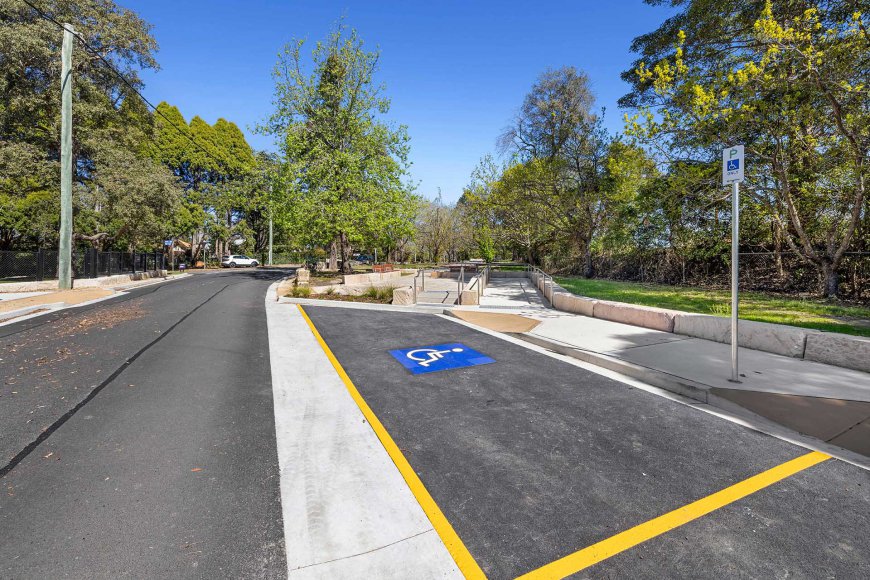
Urban development today goes far beyond constructing roads, bridges, and buildings. Modern infrastructure projects require carefully designed outdoor environments that enhance functionality, sustainability, and visual appeal. This is where Principal civil landscaper services become an essential part of successful development projects. Civil landscaping combines engineering principles with landscape design to create public spaces that are both practical and attractive. From parks and transport corridors to commercial developments and government projects, civil landscaping contributes significantly to the overall success of infrastructure initiatives. As cities continue to expand and prioritize environmental sustainability, the demand for high-quality landscaping solutions is increasing rapidly. Organizations, developers, and government agencies are now recognizing the importance of integrating professional landscaping into their planning processes to improve community experiences and create long-lasting value.
Understanding the Importance of Civil Landscaping in Urban Development
Modern cities require infrastructure that supports growing populations while maintaining environmental balance and visual appeal. Civil landscaping addresses these needs by integrating green spaces, erosion control measures, drainage systems, and aesthetically pleasing environments into construction projects. Unlike traditional landscaping, civil landscaping involves large-scale planning and execution that aligns with engineering and environmental requirements. It plays a vital role in improving public spaces, reducing environmental impacts, and enhancing the functionality of urban areas. Properly designed landscapes help manage stormwater, reduce urban heat islands, and create welcoming environments for residents and visitors. As governments and private developers focus on sustainable growth, civil landscaping continues to be a critical element in infrastructure development. Its ability to combine practicality with beauty makes it an invaluable component of modern construction projects across various sectors.
The Responsibilities of a Head Civil Landscaper
A successful landscaping project requires strong leadership and technical expertise throughout every stage of development. A Head civil landscaper oversees project planning, resource management, quality assurance, and team coordination. Their responsibilities extend beyond aesthetic considerations to include compliance with environmental regulations, safety standards, and engineering requirements. They collaborate with architects, engineers, government authorities, and construction teams to ensure landscaping elements align with project objectives. Effective leadership helps maintain project timelines, budgets, and quality expectations while minimizing potential challenges. The head civil landscaper also ensures that planting schemes, irrigation systems, and landscape structures are installed correctly and sustainably. Their expertise is essential for delivering successful outcomes that balance functionality, durability, and visual appeal. Without strong leadership, large-scale civil landscaping projects may face delays, inefficiencies, and costly design issues.
Planning and Site Assessment for Large-Scale Projects
Before any landscaping work begins, a thorough site assessment is necessary to understand environmental conditions and project requirements. This process involves evaluating soil quality, drainage patterns, existing vegetation, climate conditions, and infrastructure needs. Detailed planning ensures that landscaping solutions support long-term sustainability and performance. Professionals identify potential challenges and develop strategies to address them before construction starts. Proper planning also helps optimize resource allocation and minimize environmental disruption. Site assessments guide decisions regarding plant selection, grading, irrigation systems, and erosion control measures. By understanding site-specific conditions, project teams can create landscaping designs that are both practical and visually appealing. This proactive approach reduces risks and improves project efficiency while supporting environmental conservation objectives.
Sustainable Design and Environmental Considerations
Sustainability has become a central focus in infrastructure development, making environmentally responsible landscaping practices more important than ever. Civil landscaping projects often incorporate native plants, water-efficient irrigation systems, and environmentally friendly materials to reduce resource consumption. Sustainable designs help conserve biodiversity, improve air quality, and support ecosystem health. They also reduce maintenance costs and enhance the long-term performance of landscaped areas. Environmental considerations extend to stormwater management, soil stabilization, and habitat preservation. By prioritizing sustainability, landscaping professionals create spaces that benefit both communities and the environment. These efforts contribute to broader sustainability goals while ensuring that infrastructure projects remain resilient and adaptable to future environmental challenges.
Key Benefits of Professional Civil Landscaping Services
Investing in professional civil landscaping services delivers numerous benefits for developers, governments, businesses, and communities. Well-designed landscapes improve property values, enhance public perception, and create more enjoyable outdoor environments. Functional landscaping solutions also support environmental objectives by reducing erosion, managing water runoff, and improving ecological health. In commercial and public settings, attractive landscapes encourage community engagement and increase the usability of outdoor spaces. Professional landscaping contributes to safety through proper site grading, pathway design, and vegetation management. Additionally, quality landscaping can reduce long-term maintenance expenses by incorporating durable materials and sustainable planting strategies. These benefits demonstrate why civil landscaping has become an integral component of successful infrastructure and development projects worldwide.
Applications of Civil Landscaping Across Different Sectors
Civil landscaping is used across a wide range of sectors, each with unique requirements and objectives. Government projects often include parks, public reserves, transport infrastructure, and recreational facilities designed to enhance community wellbeing. Commercial developments utilize landscaping to improve customer experiences, strengthen brand image, and create attractive environments. Educational institutions benefit from outdoor spaces that support learning, recreation, and environmental awareness. Residential communities rely on landscaping to increase property appeal and provide functional communal areas. Industrial facilities also incorporate landscaping to improve environmental performance and create visually appealing surroundings. The versatility of civil landscaping allows it to adapt to diverse project needs while delivering practical and aesthetic value. Its widespread application highlights its importance in modern development strategies.
Infrastructure Projects and Public Spaces
Public infrastructure projects require landscaping solutions that balance functionality, safety, and aesthetics. Roads, highways, rail corridors, and public transport hubs often incorporate landscaping elements to improve visual appeal and environmental performance. Trees, shrubs, and groundcovers help reduce noise pollution, improve air quality, and create more pleasant public environments. Public parks and recreational areas benefit from carefully planned landscapes that encourage community use and outdoor activity. These projects often involve extensive coordination between multiple stakeholders to achieve desired outcomes. Effective landscaping enhances the overall user experience while supporting environmental and social objectives. By integrating landscaping into infrastructure projects, communities gain valuable green spaces that improve quality of life and contribute to sustainable urban development.
Why Businesses and Governments Choose Civil Landscaping Experts
The complexity of modern infrastructure projects requires specialized expertise that extends beyond traditional landscaping services. Professional Civil Landscaping experts possess the technical knowledge, project management skills, and industry experience necessary to deliver successful outcomes. They understand regulatory requirements, environmental considerations, and engineering principles that influence project design and execution. Their ability to coordinate with multiple stakeholders ensures seamless project delivery and compliance with industry standards. Businesses and government agencies value professionals who can provide innovative solutions while maintaining budget and timeline objectives. By partnering with experienced civil landscaping teams, organizations can achieve high-quality results that enhance functionality, sustainability, and community satisfaction.
The Future of Civil Landscaping in Infrastructure Development
As cities continue to grow and sustainability becomes increasingly important, the role of civil landscaping will expand significantly. Future projects will place greater emphasis on environmental resilience, green infrastructure, and community-focused design. Advances in technology, sustainable materials, and landscape management practices will create new opportunities for innovation. Smart irrigation systems, climate-adaptive planting strategies, and environmentally responsible construction methods will become more common. Civil landscaping professionals will play a critical role in helping communities address environmental challenges while creating attractive and functional public spaces. Their expertise will continue to shape the future of urban development by integrating natural elements into modern infrastructure projects.
Conclusion
Civil landscaping is far more than an aesthetic enhancement—it is a vital component of modern infrastructure development. From improving environmental sustainability and public safety to enhancing community experiences and property values, civil landscaping delivers measurable benefits across a wide range of projects. Whether supporting government infrastructure, commercial developments, or public spaces, experienced landscaping professionals help create environments that are functional, attractive, and sustainable. If you are planning a large-scale development project, partnering with a qualified civil landscaping team can help ensure long-term success. Invest in professional civil landscaping services today and create outdoor spaces that deliver lasting value for communities, businesses, and future generations.
Frequently Asked Questions
1. What is civil landscaping?
Civil landscaping involves designing, constructing, and maintaining outdoor environments for large-scale infrastructure, government, commercial, and public projects while considering engineering and environmental requirements.
2. How does civil landscaping differ from traditional landscaping?
Civil landscaping focuses on large infrastructure projects and includes technical considerations such as drainage, erosion control, environmental compliance, and public safety, whereas traditional landscaping is often residential or decorative.
3. Why is civil landscaping important for infrastructure projects?
It improves environmental sustainability, enhances visual appeal, supports stormwater management, increases usability, and contributes to community wellbeing.
4. What types of projects use civil landscaping services?
Civil landscaping is commonly used in parks, transport corridors, government facilities, commercial developments, educational institutions, residential communities, and industrial sites.
5. How can professional civil landscapers improve project outcomes?
Professional landscapers provide technical expertise, ensure compliance with regulations, improve sustainability, manage project risks, and deliver high-quality landscapes that offer long-term value.