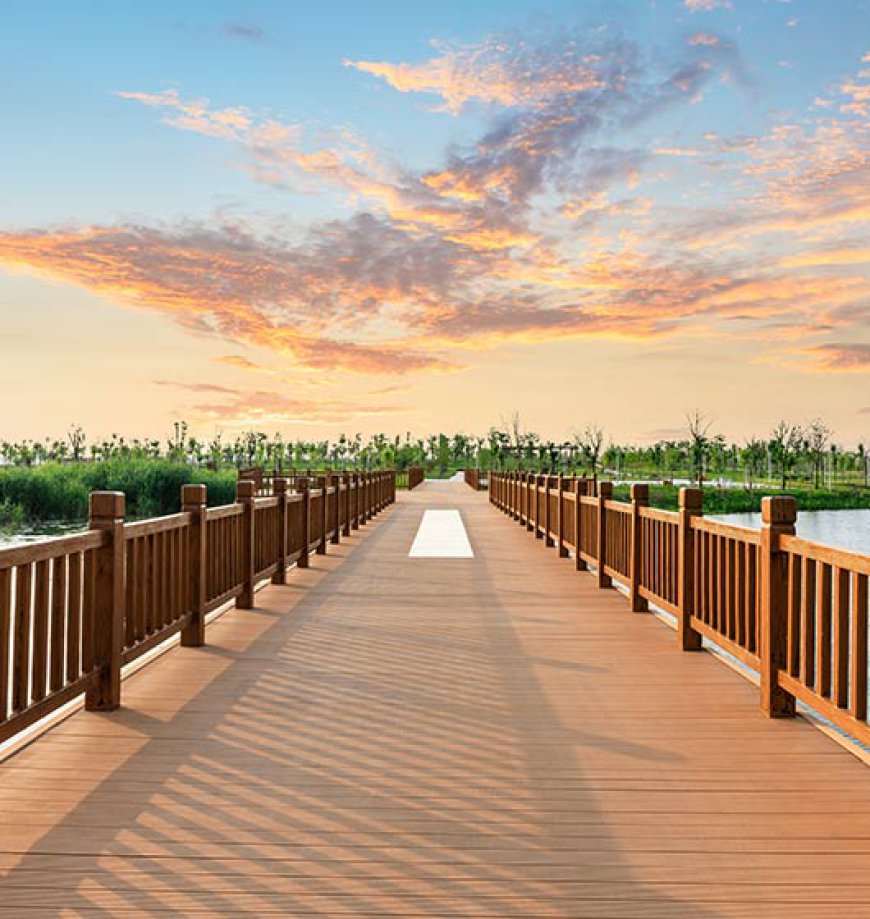
Timber vs Composite Decking: Which Option Is Right for You?
Looking for the Best Landscaping Companies in Dubai? Discover how Progren Flooring blends durability, style, and innovative flooring solutions to complement modern landscaping designs. From enhancing outdoor aesthetics to delivering long-lasting performance, Progren Flooring stands out as a smart choice for transforming residential and commercial spaces across Dubai.
 briton
Nobody plans to spend a Saturday afternoon researching decking materials. But here you are — and honestly, it's worth a bit of your time. The deck you pick will be under your feet, in your eyeline, and in your wallet for the next couple of decades. Getting it wrong is an expensive lesson.
So let's skip the jargon and talk through this like two people who've actually dealt with outdoor flooring before.
So What's the Real Difference?
Timber is real wood — cut from actual trees, usually hardwood species or pressure-treated pine. It looks beautiful when it's freshly oiled and laid. Composite is a mix of wood fibre and recycled plastic, pressed into boards that are designed to look like wood but behave very differently over time.
Here's the honest summary: timber looks stunning and costs less upfront. Composite asks for more money at the start but gives you far less grief afterward.
Which one wins? That depends on you — your climate, your lifestyle, how often you forget to do annual maintenance (we all do), and what your outdoor space actually needs to handle.
The Case for Timber
There's a reason real wood has been used outdoors for centuries. It earns its place.
-
It looks genuinely beautiful — no manufactured product has fully cracked the grain depth and warmth that comes from real timber
-
It costs less to buy and install — especially treated pine, which keeps the budget manageable upfront
-
Individual boards can be swapped out — if one plank cracks or stains badly, you fix that one, not the whole deck
-
Any decent carpenter can work with it — no specialist fittings, no brand-specific clips, just wood
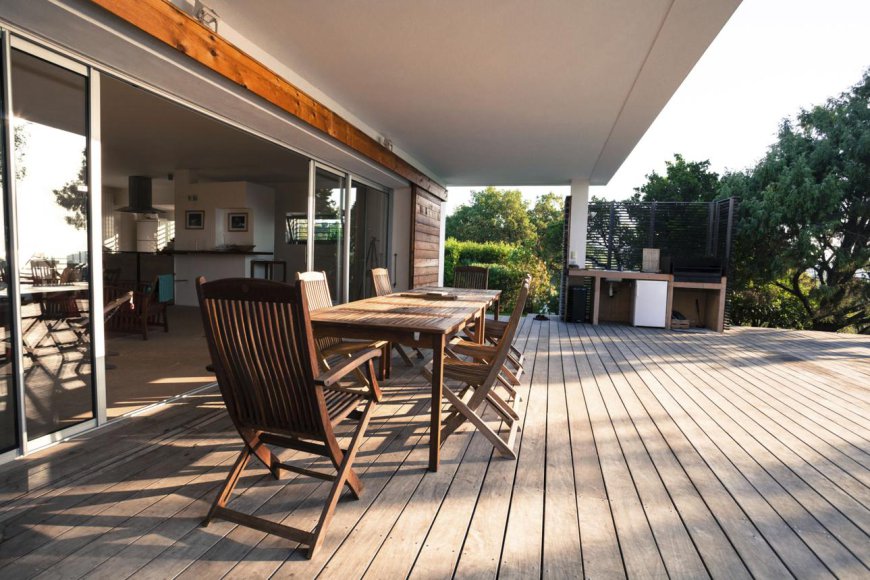
If your deck is covered, shaded, or in a climate that doesn't throw extremes at it year-round, a well-looked-after hardwood deck can genuinely last 25 to 30 years. It's not the wrong choice — it just needs attention.
The Case for Composite
This is where most people end up once they've owned a timber deck and spent two summers re-oiling it.
-
You clean it occasionally and leave it alone — soap, water, done
-
It doesn't warp, crack, or splinter under heat and UV — composite is built to take punishment
-
The surface stays consistent year after year — no greying, no uneven fading patches
-
It's much kinder underfoot — no splinters, which matters if you've got kids running around barefoot
-
A lot of composite boards are made with recycled content — worth asking your supplier about if sustainability matters to you
For anyone living in Dubai or the wider UAE, composite really does make more practical sense. The heat alone does a number on untreated timber. Composite decking in Dubai has grown in popularity for good reason — it holds up in conditions that make real wood age poorly and fast.
A Straight Comparison
|
What You're Comparing |
Timber |
Composite |
|
Upfront Cost |
Lower |
Higher |
|
Cost Over 10 Years |
Higher (maintenance adds up) |
Lower (minimal ongoing spend) |
|
Annual Maintenance |
Yes — oiling, sealing, sanding |
Occasional wash-down |
|
Lifespan |
15–30 years with care |
25–30+ years |
|
Heat and UV Performance |
Average |
Strong |
|
How It Looks |
Warm, natural |
Natural-looking, stays consistent |
|
Splinters |
Possible |
None |
|
Eco Credentials |
Depends on wood sourcing |
Often uses recycled materials |
Climate Isn't a Minor Detail — It's the Main Factor
A lot of people make their decking decisions based on what looks good in photos. That's understandable, but it's worth thinking about what your deck will face on a 45°C afternoon in August.
Timber expands in heat, contracts at night, absorbs moisture when it rains, and dries out when it doesn't. Over time, those cycles crack boards, lift edges, and cause the kind of warping that no amount of oiling will fully fix.
Composite was engineered to shrug that off. It handles the temperature swings without moving around on you. That's why landscaping companies in Sharjah and across the Emirates tend to recommend composite for outdoor floors exposed to full sun — not because it's the premium upsell, but because it's the option that actually survives the climate long-term.
Ask Yourself These Before You Decide
Will you actually keep up with maintenance? Be honest. Timber needs re-oiling or re-staining every one to two years. If that's going to slip through the cracks — and for most people it does — the deck will show it within three or four summers.
Are you costing the whole lifespan, or just the installation quote? Composite costs more on day one. But across ten years, once you count oiling products, sandpaper, replacement boards, and your time, composite often works out cheaper.
Who actually uses the space? Kids? Pets? Elderly parents? Composite is safer and more forgiving. If it's purely an adult entertaining area with a pergola overhead, timber can absolutely work.
What do you want it to look like in five years, not five months? Timber left to its own devices goes grey and uneven. Some people genuinely love that look — it's a valid choice. But if you're imagining it staying the same as installation day without much input from you, composite is more realistic.
FAQs
Does composite decking get too hot to stand on during summer in Dubai? It can get warm, yes. Lighter shades handle heat better than dark ones, so colour choice matters here. Quality boards are engineered with heat management in mind — just ask your supplier for surface temperature data before committing.
Is timber completely unsuitable for the UAE? Not completely. Covered verandas, shaded courtyards, and pergola areas give timber a fighting chance. But out in the open with no cover? The sun wins eventually.
Is composite the greener option? Usually, yes — particularly boards made from recycled wood fibre and reclaimed plastic. That said, quality varies between brands, so it's worth asking exactly what goes into the product you're looking at.
How long does a composite deck take to install? Similar timeline to timber for a standard job. Composite boards often use a hidden clip system, which gives a cleaner finish but can add slightly to the fitting time.
Conclusion
Neither material is the automatic right answer. Timber is real, beautiful, and proven — it just asks something back from you. Composite takes more budget upfront and gives you back your weekends.
If you're still weighing it up, Progren Flooring offers both options and will give you a straight assessment based on your actual space — not just whatever's easier to sell you. Sometimes that means timber. More often in this climate, it means composite. Either way, the conversation is worth having before the installation crew shows up.
Figure out your conditions, your budget, and your honest maintenance habits. Then pick the one that fits how you actually live — not just how you imagine you might.