Why Ekadashi Is More Than a Fast: A Spiritual Path Toward Inner Purification
 shreekrishnayan
In today’s fast-moving world, people are constantly searching for peace, clarity, and a deeper connection with life. Ancient Indian traditions have always offered timeless wisdom for balancing the mind, body, and soul. Among these sacred traditions, Ekadashi holds a unique and powerful place in Sanatan Dharma.
Observed twice every lunar month, Ekadashi falls on the eleventh day of both the waxing and waning moon cycles. For centuries, devotees of Lord Vishnu have followed this sacred vrat not only as a ritual of fasting but as a spiritual discipline aimed at purification and self-transformation.
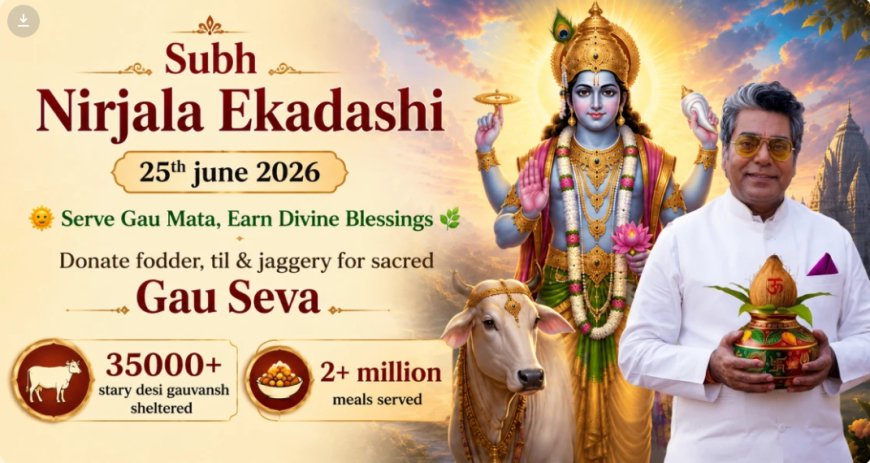
The Spiritual Importance of Ekadashi
The word Ekadashi literally means “eleventh,” referring to the eleventh lunar day. Hindu scriptures describe it as one of the most auspicious days for spiritual growth. It is believed that observing Ekadashi helps individuals cleanse their thoughts, control their desires, and strengthen their devotion toward the divine.
Unlike ordinary fasting practices focused on physical health, Ekadashi is deeply connected with spiritual awakening. It encourages discipline, mindfulness, and the conscious withdrawal from material distractions. Ancient texts emphasize that fasting on this day allows devotees to redirect their energy toward prayer, meditation, and remembrance of God.
More Than Food Restriction
Many people mistakenly assume Ekadashi is simply about avoiding grains or skipping meals. In reality, the essence of this vrat extends far beyond dietary restrictions.
Ekadashi teaches restraint over the senses. It asks devotees to practice control over anger, greed, ego, unnecessary speech, and harmful habits. The idea is simple: true fasting is not only about controlling what enters the body, but also about purifying what leaves the mind.
By reducing physical indulgence for a day, individuals create space for introspection and spiritual reflection. This practice has helped generations reconnect with values like patience, gratitude, humility, and devotion.
Why Ancient Wisdom Still Matters Today
Modern lifestyles often leave little room for silence or inner reflection. Constant notifications, endless responsibilities, and digital distractions make it difficult to stay mentally balanced.
This is where ancient observances like Ekadashi remain highly relevant. The practice naturally introduces a pause from routine consumption habits and creates a dedicated moment for mental reset.
Many people today observe Ekadashi not only for religious reasons but also because it encourages mindfulness and intentional living. It becomes an opportunity to disconnect from excess and reconnect with purpose.
Charity and Seva During Sacred Days
Sanatan traditions have always emphasized that devotion is incomplete without service. Sacred observances like Ekadashi are considered especially meaningful when accompanied by acts of kindness and charity.
Supporting causes such as feeding the hungry, helping cows through Gau Seva, assisting saints and spiritual communities, and preserving ancient traditions are considered highly meritorious acts during these holy occasions.
Platforms like Krishnayan Spiritual Seva Platform are helping individuals participate in meaningful spiritual contributions rooted in authentic Sanatan traditions. Their initiatives focus on combining devotion with purposeful seva, allowing devotees to transform sacred observances into lasting acts of dharma.
Building a Deeper Connection with Tradition
One of the biggest challenges modern generations face is staying connected with cultural roots. Festivals and sacred observances are often celebrated externally while their deeper spiritual significance is forgotten.
Ekadashi offers a reminder that spirituality begins internally. It is less about outward ritual and more about inner alignment.
Simple practices such as chanting the names of Vishnu, reading sacred scriptures, spending time in prayer, and helping others can make the observance deeply meaningful.
The beauty of Sanatan Dharma lies in these timeless practices that guide individuals toward both personal growth and collective well-being.
Final Thoughts
In a world focused heavily on external success, traditions like Ekadashi remind us that true fulfillment begins within. It teaches discipline, devotion, simplicity, and compassion — values that remain as important today as they were thousands of years ago.
Whether someone observes it for religious devotion, spiritual growth, or inner peace, Ekadashi remains one of the most powerful practices for reconnecting with higher consciousness.
By embracing sacred observances and combining them with service to humanity, individuals not only honor tradition but also create a life rooted in purpose and spiritual balance.
Sometimes the oldest traditions carry the answers people are still searching for today.