Why Every Biomass Plant Needs a Reliable Paddy Straw Shredder
The biomass industry is growing rapidly as businesses and governments look for cleaner and more sustainable energy solutions. Agricultural waste, once considered useless, is now becoming an important source of renewable fuel.
 ecostan
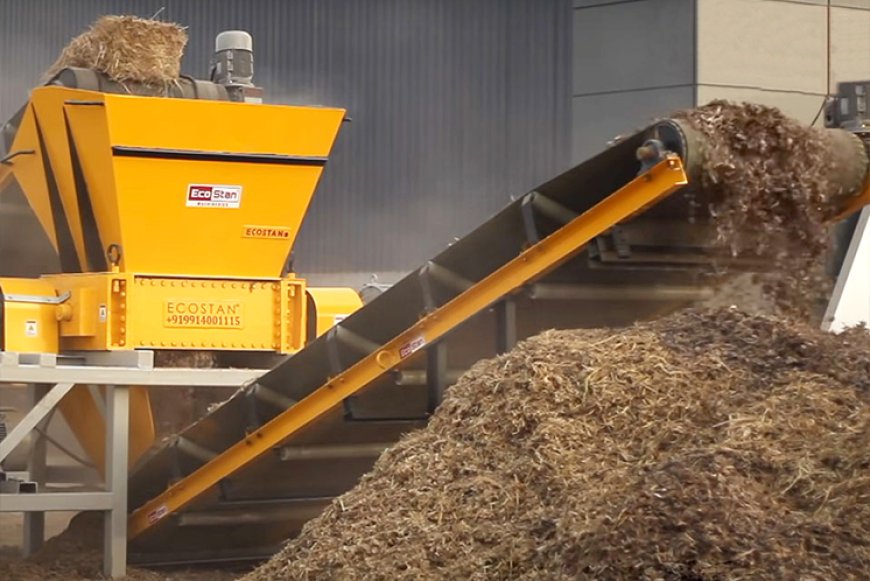
The biomass industry is growing rapidly as businesses and governments look for cleaner and more sustainable energy solutions. Agricultural waste, once considered useless, is now becoming an important source of renewable fuel. Among the various agricultural residues available, paddy straw is one of the most abundant materials used in biomass production. However, processing paddy straw efficiently requires the right equipment, and that is where a Paddy Straw Shredder becomes essential.
A reliable Paddy Straw Shredder helps biomass plants improve efficiency, reduce operational costs, and maintain consistent fuel quality. Without proper shredding, biomass plants may face handling issues, uneven raw material size, higher energy consumption, and reduced production output. This article explains why every biomass plant should invest in a high-quality shredding solution for long-term success.
Understanding the Importance of Paddy Straw in Biomass Production
Paddy straw is generated in massive quantities after rice harvesting. Farmers often struggle to manage this agricultural residue, and in many regions, it is burned in open fields, causing serious environmental pollution. Biomass plants provide a sustainable solution by converting paddy straw into valuable fuel products such as briquettes, pellets, and biofuel.
However, raw paddy straw is bulky, lightweight, and difficult to process directly. Its irregular size and fibrous structure make transportation, storage, and feeding into machines challenging. A dependable Paddy Straw Shredder solves these problems by reducing the material into uniform particles suitable for further processing.
Improves Raw Material Handling
One of the biggest challenges in biomass plants is handling large quantities of agricultural waste efficiently. Loose paddy straw occupies significant storage space and creates feeding problems during production. A Paddy Straw Shredder cuts and processes the straw into smaller, manageable sizes, making transportation and storage easier.
Uniformly shredded material also ensures smooth feeding into hammer mills, dryers, briquetting machines, or pellet plants. This minimizes blockages and interruptions in the production line, resulting in continuous plant operation.
Enhances Biomass Production Efficiency
Efficiency is a key factor in any biomass manufacturing process. Uneven raw material size can affect machine performance and reduce overall productivity. A high-performance Paddy Straw Shredder prepares the material in a consistent form, allowing downstream equipment to work more effectively.
When paddy straw is properly shredded:
- Drying becomes faster and more efficient
- Hammer mills consume less energy
- Pellet and briquette machines operate smoothly
- Final fuel products achieve better density and quality
This directly improves the productivity and profitability of biomass plants.
Reduces Energy Consumption
Energy costs play a major role in biomass plant operations. Oversized or improperly prepared raw materials require more power during grinding, drying, and densification processes. By using a reliable Paddy Straw Shredder, biomass plants can significantly reduce energy usage.
Shredded straw allows machines to process material more easily, reducing wear and tear while lowering electricity consumption. This helps plant owners save operational costs over time and improves the overall efficiency of the production system.
Ensures Consistent Fuel Quality
The quality of biomass fuel products depends heavily on raw material preparation. Inconsistent particle size can lead to poor briquette or pellet formation, lower density, and unstable combustion performance.
A dependable Paddy Straw Shredder creates uniform raw material that supports the production of high-quality biomass fuel. Consistent fuel products offer several advantages, including:
- Better combustion efficiency
- Higher calorific value
- Lower ash generation
- Easier storage and transportation
- Improved market demand
Biomass plants that maintain consistent product quality are more likely to build strong customer trust and long-term business growth.
Minimizes Machine Downtime
Unexpected machine stoppages can reduce productivity and increase maintenance costs. Large or tangled paddy straw often causes blockages and stress on production machinery. This can lead to equipment damage, overheating, and frequent breakdowns.
A robust Paddy Straw Shredder helps eliminate these issues by ensuring the material is properly processed before entering the next stage. Smooth and uniform feeding reduces operational interruptions and extends the lifespan of machinery used in biomass plants.
Supports Environmental Sustainability
Using agricultural waste for energy production is already an environmentally friendly practice. However, efficient processing further improves sustainability. A reliable Paddy Straw Shredder helps convert waste into renewable fuel more effectively, reducing dependence on fossil fuels.
By utilizing paddy straw instead of allowing field burning, biomass plants contribute to:
- Lower air pollution
- Reduced greenhouse gas emissions
- Cleaner agricultural practices
- Sustainable waste management
This not only benefits the environment but also strengthens the reputation of biomass businesses focused on green energy solutions.
Increases Production Capacity
Biomass plants aiming for higher production output need efficient raw material preparation systems. A well-designed Paddy Straw Shredder can process large volumes of agricultural residue quickly and continuously.
Higher shredding capacity ensures that biomass plants can meet growing market demand without delays. Whether producing briquettes, pellets, or biofuel, efficient shredding plays a crucial role in maintaining consistent production flow.
Suitable for Multiple Applications
Modern biomass plants often process different types of agricultural and forestry waste. In addition to paddy straw, many shredders can handle materials such as:
- Wheat straw
- Corn stalks
- Sugarcane leaves
- Cotton stalks
- Wood waste
- Biomass residues
A versatile Paddy Straw Shredder gives plant operators greater flexibility and allows them to utilize multiple raw material sources throughout the year.
Improves Workplace Safety
Handling long and unprocessed paddy straw manually can create safety risks for workers. Tangled straw may cause feeding problems and require manual intervention near machinery. A reliable shredding system reduces these risks by automating the size reduction process.
Modern shredders are designed with advanced safety features and durable construction, helping biomass plants maintain safer working conditions for operators and staff.
Long-Term Cost Savings
Although investing in a quality Paddy Straw Shredder may seem like a significant expense initially, it provides excellent long-term value. Improved efficiency, lower maintenance costs, reduced downtime, and energy savings contribute to a better return on investment.
Biomass plants that use reliable shredding equipment can achieve smoother operations, higher productivity, and improved profitability over time.
Conclusion
A dependable Paddy Straw Shredder is no longer an optional machine for biomass plants—it is a necessity. From improving raw material handling and reducing energy consumption to enhancing fuel quality and supporting environmental sustainability, shredding equipment plays a critical role in efficient biomass production.
For biomass businesses looking to maximize performance and productivity, choosing high-quality machinery is essential. Ecostan Machines is known for manufacturing advanced biomass processing equipment designed for durability, efficiency, and consistent performance. The brand offers innovative solutions for agricultural waste recycling and biomass fuel production, helping industries transform paddy straw and other residues into valuable renewable energy resources.