Why Is Swiss Type Turning Essential For High-Precision Manufacturing Today?
 metaminds
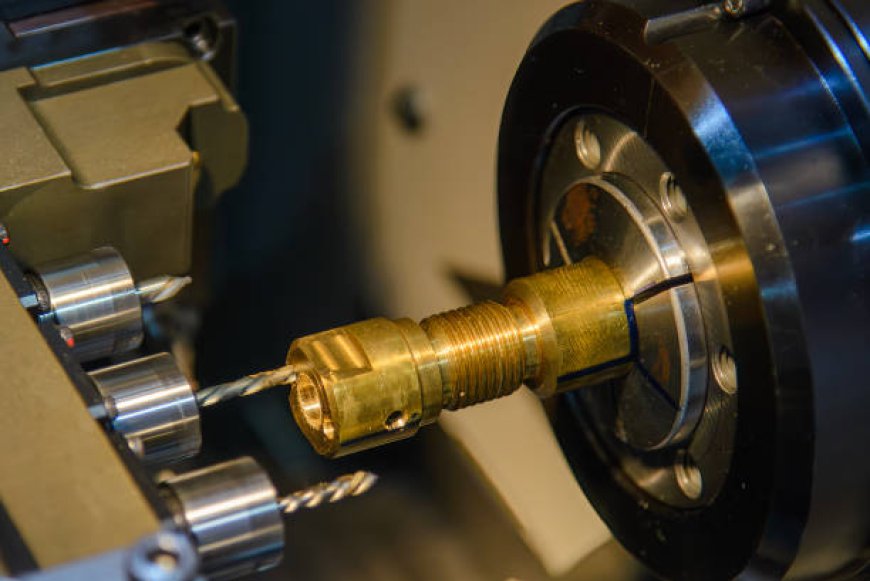
Small parts sound easy until you actually try making them consistently. That’s where things get frustrating fast. A tiny error on a miniature component can wreck the entire assembly, especially in medical or aerospace work. And honestly, there’s zero room for guessing anymore. Manufacturers need precision right out of the machine, not after fixing mistakes later. That’s one reason Swiss type turning keeps getting more attention across serious production shops. The setup handles long, thin, delicate components way better than traditional machining methods. The material stays supported close to the cutting area, which cuts vibration down a lot. Less chatter. Better finishes. More reliable dimensions. Sounds simple, but it changes everything. Shops producing pins, connectors, surgical parts, or electronic components rely on this process because consistency matters more than flashy speed claims. One part looking good means nothing if the next hundred are slightly off. Precision manufacturing is really about repeatability. Most people outside the industry never see that part.
Traditional Machining Struggles With Delicate Components Sometimes
Conventional lathes still have their place. No question there. But once parts get extremely small or thin, standard setups start fighting physics a little. Material flex becomes a real problem. Heat buildup, too. You push too hard, and suddenly dimensions drift or finishes turn rough. Then operators start slowing everything down, trying to compensate, which kills efficiency anyway. Swiss-style systems solve part of that by supporting material much closer to the cutting tool. That stability matters more than people think. Especially on high-volume precision work. A lot of manufacturers switched to Swiss-type turning because older methods simply couldn’t hold tolerances reliably enough anymore. Not without constant babysitting at least. And honestly, customers expect impossible precision now. Medical companies want microscopic accuracy. Aerospace tolerances keep tightening. Electronics components shrink every year. The pressure keeps building. Shops either adapt or lose contracts to somebody who has already invested in better precision systems. Manufacturing gets brutally competitive like that sometimes.
The Sliding Headstock Makes A Huge Difference
The sliding headstock design is really the secret behind Swiss machining performance. Traditional lathes clamp material in one place while the tooling moves around it. Swiss systems work differently. The material actually slides through a guide bushing while the cutting happens extremely close to the support point. That reduces deflection dramatically. Long, slender parts stop wobbling all over the place during cuts. Which means tighter tolerances become achievable without slowing production to a crawl. It also improves surface finish because the tool engages the material more cleanly and consistently. Shops making micro-components depend on that stability daily. Otherwise, scrap rates get ugly fast. Another thing people overlook is how repeatable the process becomes once everything is dialed in correctly. Good Swiss setups can run thousands of parts with almost scary consistency. That’s valuable in industries where every rejected component costs money and delays production schedules. Precision isn’t just about capability anymore. It’s about maintaining that capability hour after hour.
Medical Manufacturing Relies Heavily On Swiss Systems
Medical manufacturing pushed precision machining forward in a big way over the years. Surgical screws, implants, dental tools, and catheter components. These parts aren’t forgiving. They go inside actual human bodies, so dimensional accuracy becomes a safety issue, not just a quality preference. That pressure forced manufacturers to adopt processes capable of holding incredibly tight tolerances consistently. Swiss type turning ended up fitting those demands almost perfectly. The machines handle tiny complex geometries without introducing excessive vibration or instability during production. Titanium and stainless steel components are machine-cleanable, too, which matters because medical materials can be stubborn sometimes. Another advantage is reduced secondary processing. Better finishes directly off the machine mean fewer polishing or correction steps afterward. Less handling reduces contamination risks and dimensional variation. Honestly, medical manufacturers care about repeatability almost obsessively. And for good reason. One bad component can create serious consequences later. Swiss systems help minimize that risk better than many traditional machining methods can.
Aerospace Shops Need Reliability More Than Speed
Aerospace manufacturing has a reputation for being intense because, honestly, it is. Components need to survive vibration, pressure changes, heat, and stress. There’s no such thing as “close enough” inside aircraft systems. One poorly machined part can create failures nobody wants to deal with later. That’s why aerospace suppliers lean heavily into precision-focused processes like Swiss machining for certain applications. Especially when producing miniature fasteners, connectors, valve components, or intricate fluid system parts. The process offers tighter dimensional control and better concentricity than many conventional methods. That reliability matters far more than flashy production speeds. Aerospace customers inspect everything aggressively anyway. Shops can’t afford inconsistency. Another thing Swiss systems help with is material handling. Aerospace alloys tend to be expensive and difficult to machine. Titanium especially likes destroying tools if cutting conditions aren’t controlled carefully. Stable machining environments reduce waste and improve tool life, which helps shops stay profitable while meeting extremely demanding specifications.
Swiss Machining Helps Reduce Expensive Material Waste
Raw material costs hit manufacturers harder than most customers realize. Specialty alloys aren’t cheap. Titanium prices alone can make people nervous during large production runs. So when parts get scrapped because of poor machining stability, profits disappear fast. Swiss machining helps control that problem better than many conventional approaches. The supported cutting process reduces vibration and dimensional drift, which lowers rejection rates overall. Fewer bad parts mean less wasted material sitting in scrap bins. Sounds obvious, maybe, but the financial impact gets huge over time. Another overlooked benefit is better surface finishes directly from the machine. Shops often spend less time on secondary finishing operations afterward. That saves labor, too. Precision manufacturing isn’t only about accuracy anymore. Efficiency matters just as much. Customers demand competitive pricing while expecting impossible tolerances at the same time. Manufacturers feel pressure from both directions constantly. Stable machining processes help balance those demands better than setups constantly fighting chatter, heat distortion, or inconsistent tool performance.
Automation Fits Naturally Into Swiss Production Environments
Manufacturing automation keeps growing because, honestly, labor shortages forced the issue. Skilled machinists are harder to find than they used to be. Swiss systems work especially well with automation because the process already focuses heavily on consistency and repeatability. Bar feeders, robotic unloading, automated inspection systems. All of it integrates smoothly into modern Swiss production environments. That creates setups capable of running long hours with minimal operator intervention. Sometimes overnight. Sometimes, nearly around the clock. Shops handling Swiss machining operations benefit from that flexibility because customers expect faster turnaround times constantly now. Nobody wants delays anymore. Automation also reduces repetitive manual handling between operations, which cuts down opportunities for dimensional errors or accidental damage. Skilled machinists still matter, though. Big time. Machines don’t solve problems by themselves. Experienced operators notice tool wear patterns, subtle finish changes, and thermal issues. Human judgment still drives quality production. Automation simply helps manufacturers maintain consistency while pushing output levels higher than manual workflows usually allow.
Complex Part Geometry Stops Becoming Such A Nightmare
Some components look innocent until machining actually starts. Tiny cross-holes. Thin walls. Miniature threading. Multi-axis contours packed into microscopic dimensions. Suddenly, what looked simple becomes a complete headache. Conventional machining setups often struggle once complexity increases because part stability starts disappearing during cuts. Swiss systems handle intricate geometries better, partly because the material stays supported so close to the cutting zone. Less movement means more predictable results. Multiple tooling stations help, too. Several operations can happen within one setup instead of transferring parts repeatedly between machines. That reduces alignment errors significantly. Shops making electronic connectors, precision shafts, or miniature fluid control components deal with these challenges constantly now. Product designs keep shrinking while performance expectations rise higher every year. Customers rarely care how difficult manufacturing becomes internally, either. They just expect perfect components delivered on schedule. That pressure pushed many manufacturers toward Swiss-style systems because older workflows simply couldn’t keep up reliably anymore.
Skilled Machinists Still Separate Good Shops From Bad Ones
Technology helps, obviously. But machines alone don’t create precision manufacturing success. Skilled machinists still make the biggest difference inside serious production environments. A Swiss machine running poor programming or wrong tooling setups won’t magically produce great parts. Operators need experience in understanding feeds, speeds, material behavior, heat expansion, and cutting dynamics. All those messy little variables manufacturing throws around daily. Good machinists catch problems early before scrap rates explode. They hear subtle chatter changes. Notice surface finish shifts. Spot tool wear before tolerances drift completely out of spec. That human side still matters deeply, even inside highly automated Swiss machining facilities. Shops investing heavily in equipment but ignoring operator development usually hit performance ceilings eventually. Precision manufacturing depends partly on instinct built through experience. Machines follow instructions. Skilled people solve unexpected problems. And honestly, unexpected problems happen constantly in real manufacturing environments. That’s just reality. The best shops understand that both technology and craftsmanship need to work together.
Precision Manufacturing Keeps Pushing Toward Smaller, Faster, Better Production
Manufacturing trends aren’t slowing down anytime soon. Parts keep shrinking. Tolerances keep tightening. Customers want faster turnaround while demanding near-perfect quality every single run. It’s exhausting, honestly, but that’s where the industry sits now. Swiss machining continues growing because it fits those demands better than many traditional production methods can. The process supports miniature complex parts, difficult materials, automation integration, and high-volume consistency all at once. That combination matters in industries chasing tighter precision standards every year. Medical devices. Aerospace assemblies. Electronics manufacturing. Advanced industrial systems. They all need smaller and more reliable components than before. Swiss-type turning gives manufacturers a realistic way to meet those expectations without sacrificing efficiency completely. Nothing in manufacturing is perfect, obviously. Machines still fail sometimes. Tooling breaks. Materials behave strangely. But when precision becomes absolutely critical, and tolerances decide whether products succeed or fail, Swiss systems offer advantages that are honestly pretty difficult to ignore anymore.