FDA Certification: Strengthening Food Safety, Compliance, and Consumer Trust for Food Processing Facilities
Strengthening Food Safety, Compliance, and Consumer Trust for Food Processing Facilities
 henrylucas
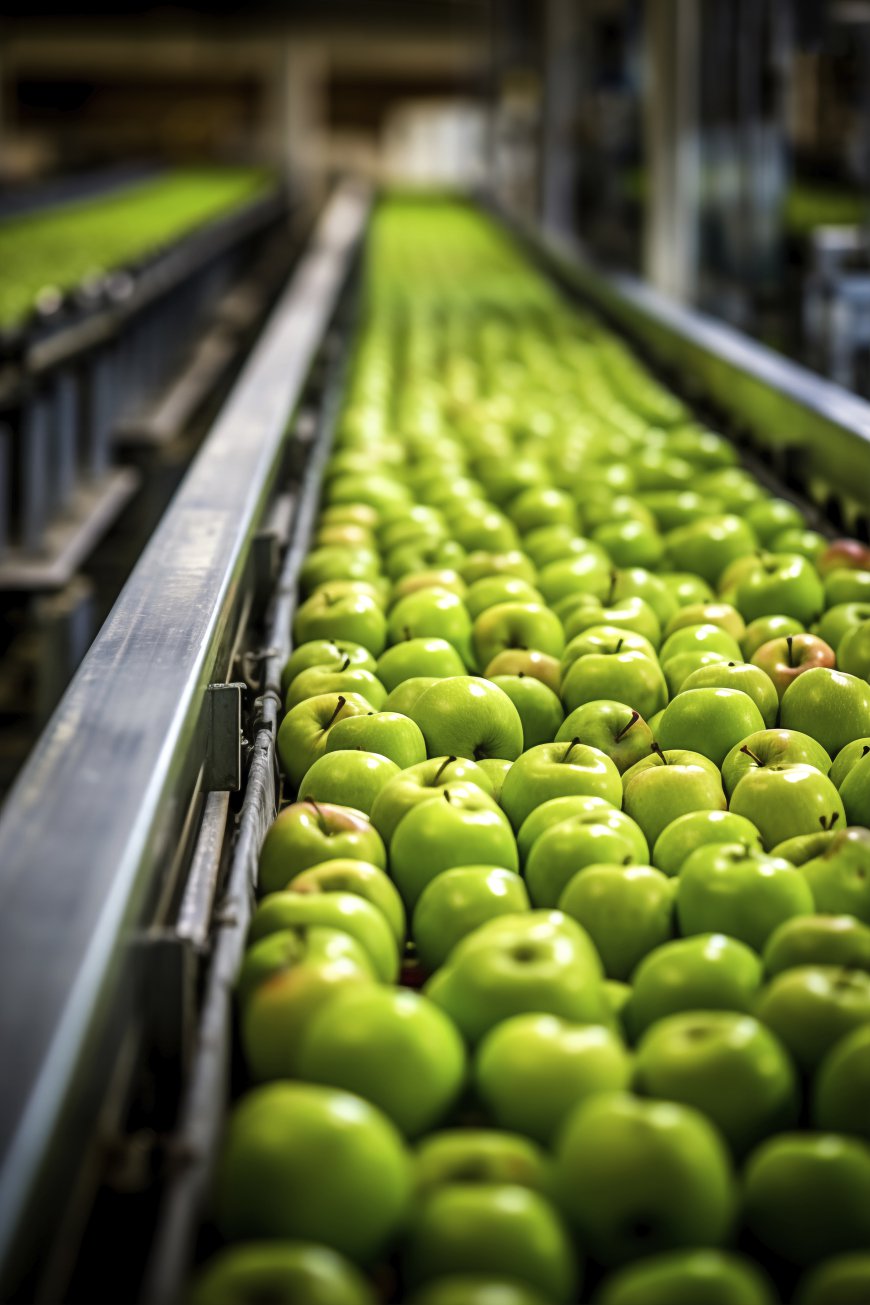
Food Safety Isn't Just a Requirement—It's a Responsibility
Food processing facilities carry an enormous responsibility. Every package, every ingredient, and every finished product eventually reaches someone's table. Families trust that the food they consume is safe, properly handled, and manufactured under controlled conditions. That's where FDA Certification becomes an important part of the conversation.
For food processing facilities, FDA Certification demonstrates a commitment to food safety, regulatory compliance, and product quality. It provides confidence not only to regulatory authorities but also to retailers, distributors, and consumers. More importantly, it helps organizations create systems that reduce risks and support consistent production standards.
As food supply chains continue to expand across borders, expectations for food safety have never been higher. FDA Certification helps facilities meet those expectations while strengthening operational reliability and market credibility.
What Is FDA Certification?
When people hear the term FDA Certification, they often assume it is simply a document issued after an inspection. The reality is a bit broader. FDA-related compliance involves meeting specific requirements established for food safety, manufacturing controls, facility registration, sanitation practices, and hazard prevention.
For food processing facilities, FDA Certification demonstrates that processes, systems, and controls are designed to support food safety throughout production activities.
Think of it like maintaining a well-organized kitchen. Even the best ingredients can produce poor results if the environment isn't clean or the procedures aren't followed consistently. The same principle applies on a larger industrial scale.
FDA Certification provides a structured framework that helps facilities maintain safety, consistency, and accountability.
Why Food Processing Facilities Need FDA Certification
Food production has changed dramatically over the years. Products travel farther, supply chains are more complex, and consumers pay closer attention to food quality than ever before.
FDA Certification helps food processing facilities address these growing expectations. It establishes controls that reduce contamination risks, improve product consistency, and support regulatory compliance.
Facilities that pursue FDA Certification often discover benefits beyond compliance. They gain stronger process control, better documentation systems, and increased confidence when working with customers and regulatory authorities.
The certification process also encourages continuous improvement. Rather than reacting to problems after they occur, organizations focus on preventing issues before they impact product safety.
The Growing Importance of Food Safety
Food safety has become a major focus across the global food industry. One product recall can affect customer trust, disrupt operations, and create significant financial consequences.
Here’s the thing—consumers may never see the production floor, but they expect safe products every time they make a purchase.
FDA Certification supports this expectation by encouraging food processing facilities to establish preventive controls, sanitation programs, traceability systems, and quality monitoring procedures.
Food safety is often compared to a chain. Every link matters. Raw materials, employee practices, equipment maintenance, storage conditions, and transportation all influence the final outcome. FDA Certification helps strengthen every one of those links.
Key Requirements for FDA Certification
FDA Certification involves multiple operational areas working together to support food safety and regulatory compliance.
Important requirements typically include:
-
Facility registration and regulatory compliance
-
Hazard analysis and preventive controls
-
Sanitation and hygiene management
-
Employee training programs
-
Equipment maintenance procedures
-
Product traceability systems
-
Documentation and record management
-
Supplier control processes
While these requirements may seem extensive, they help create a stable manufacturing environment where food safety becomes part of daily operations rather than an occasional concern.
The result is a more organized facility with clearer responsibilities and stronger process control.
How FDA Certification Supports Regulatory Compliance
Regulatory compliance is often viewed as a challenge. Surprisingly, effective compliance systems can make daily operations easier.
FDA Certification helps food processing facilities establish documented procedures that support consistency and accountability. Records become easier to maintain, inspections become less stressful, and corrective actions become more structured.
When regulators conduct inspections, they typically look for evidence showing that food safety controls are functioning as intended. Documentation plays a major role in demonstrating compliance.
Organizations that maintain strong FDA-related systems often find that regulatory requirements become easier to manage because expectations are clearly defined and consistently followed.
Better Processes, Better Products
One interesting thing happens when food processing facilities pursue FDA Certification. The initial goal may be compliance, but operational improvements often follow naturally.
Standardized procedures reduce variation. Monitoring systems identify potential issues earlier. Employees become more aware of food safety responsibilities.
Imagine a busy traffic intersection without signals. Vehicles might eventually pass through, but confusion and delays become common. FDA Certification introduces structure, helping operations move more smoothly and predictably.
Facilities frequently report improvements in production efficiency, product consistency, and quality management after implementing FDA-related controls.
Those improvements contribute to stronger customer satisfaction and greater confidence throughout the supply chain.
Benefits of FDA Certification for Food Processing Facilities
FDA Certification offers advantages that extend well beyond regulatory expectations.
Some of the most valuable benefits include:
-
Improved food safety performance
-
Increased consumer confidence
-
Enhanced regulatory compliance
-
Better process consistency
-
Reduced risk of recalls
-
Stronger supplier management
-
Improved traceability capabilities
-
Greater market credibility
Many organizations also experience operational efficiencies because documented procedures reduce uncertainty and improve communication across departments.
These benefits help create a stronger foundation for long-term growth and sustainable business performance.
Building a Food Safety Culture Starts with People
Technology matters. Equipment matters. Documentation matters.
But people matter most.
FDA Certification depends heavily on employee involvement. Even the most sophisticated systems cannot compensate for poor food handling practices or a lack of awareness.
Successful food processing facilities invest in training programs that help employees understand their responsibilities. Staff members learn why specific procedures exist and how their daily actions affect food safety outcomes.
Honestly, when employees understand the purpose behind a requirement, compliance becomes far more meaningful.
Over time, food safety evolves from a policy into a workplace culture. That shift creates lasting value throughout the organization.
Preparing for FDA Audits and Inspections
Few activities generate as much anticipation as a regulatory inspection. Yet facilities with effective systems tend to approach audits with greater confidence.
Preparation starts with regular internal reviews. Documentation should be accurate, records should be complete, and procedures should reflect actual practices.
Internal audits help identify opportunities for improvement before official inspections occur. Corrective actions can then be implemented and verified.
Consistency is particularly important. Auditors want to see evidence that procedures are followed routinely rather than only when inspections are scheduled.
Facilities that maintain continuous readiness generally experience smoother inspections and stronger compliance outcomes.
Why Choose Integrated Assessment Services?
Achieving FDA Certification requires expertise, planning, and an objective assessment process. Integrated Assessment Services supports food processing facilities through professional certification and compliance assessment services designed to strengthen food safety management systems.
Organizations choose Integrated Assessment Services because of its experienced auditing team, practical evaluation methods, transparent certification process, and customer-focused approach.
The organization helps facilities identify improvement opportunities while supporting compliance with applicable food safety requirements.
Whether a company is pursuing certification for the first time or enhancing an existing compliance framework, working with a trusted certification body can simplify the journey and improve overall results.
Looking Ahead: Food Safety Will Continue to Evolve
Food industry regulations continue to change as new technologies, consumer expectations, and supply chain challenges emerge.
FDA Certification helps food processing facilities remain prepared for these changes. By establishing strong systems today, organizations build resilience for tomorrow's challenges.
Facilities that invest in food safety, documentation, employee competence, and continuous improvement often find themselves better positioned to respond to market demands and regulatory developments.
The food industry moves quickly. Strong compliance systems help organizations move with it.
Conclusion
FDA Certification plays a vital role in helping food processing facilities maintain food safety, regulatory compliance, and operational consistency. It supports preventive controls, strengthens quality management practices, and builds confidence among customers, regulators, and consumers.
More importantly, FDA Certification encourages organizations to create a culture where food safety becomes part of everyday operations. From supplier management and sanitation programs to employee training and documentation controls, every element contributes to safer products and stronger business performance.
For food processing facilities seeking greater credibility, improved compliance, and long-term success, FDA Certification remains a valuable investment that supports both operational excellence and consumer trust.