After Care For Dental Implants What No One Explains Properly
 walaeric704@gmail.com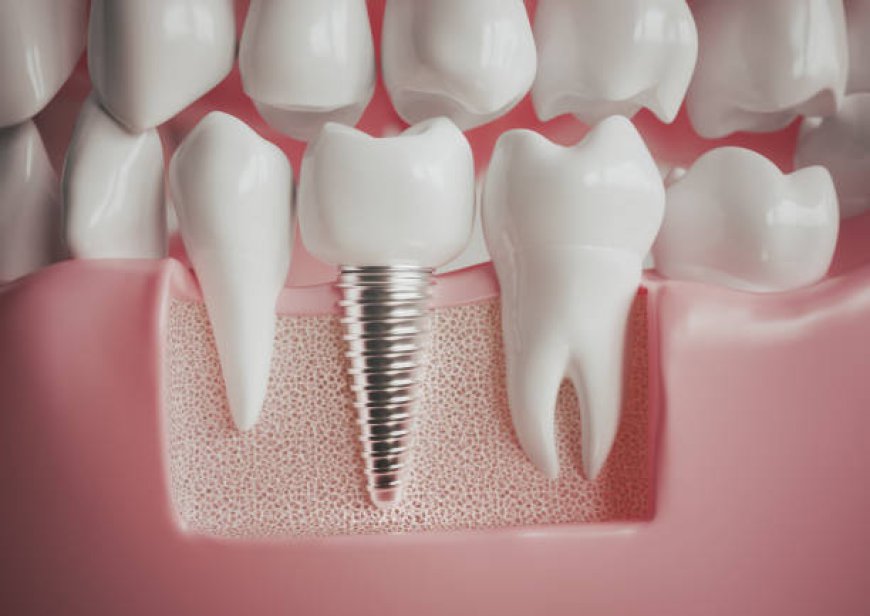
Let’s be real, most people hear “dental implants and bone grafts” and immediately think this sounds intense. And yeah, it kinda is. But not in the scary way your brain is imagining. It’s more like a process. A slow, deliberate fix for something that didn’t happen overnight. Bone loss doesn’t just show up one morning. It builds quietly, especially after missing teeth. So when someone tells you that you need grafting before implants, it’s not extra work for fun—it’s because your jaw needs a solid base. No shortcuts here. Without that foundation, implants just won’t hold up long-term.
Why Bone Grafting Even Becomes Necessary
In reality, the jawbone can be uninterested. If there's no tooth root attached to it then it shrinks. Not immediately however, it slowly. After a period of time the bone loses its volume. This is where bone grafting is a solution. It restores the bone that has been damaged by restoring the structure of the jaw. Yes, it's complicated, but in reality it's stimulating your body to create new bone in areas that are necessary. But what's interesting? Your body is the one that does all the job. The graft simply gives it an area to begin. The process isn't instantaneous, however. It takes time. It takes time to heal, and this is why patience plays a role.
The Gap Between Surgery And Feeling Normal Again
Many people ask when it will take to experience "normal" after getting dental implants or bone grafts. It's a simple question: it depends. On some days, you'll be fine and other days, you'll be a little off. It's how it goes. Itching, slight discomfort and perhaps the odd chewing that happens at times. It's nothing shocking but isn't the most enjoyable either. It's all about to not rush it. It is impossible to speed up the process of bone integration. This happens at its own speed. In reality, the rush to recover usually will backfire.
After Care For Dental Implants Isn't Optional
This is where many individuals make mistakes. People think that once an implant has been placed it's hard work finished. Not quite. The aftercare for dental implants are equally as the process itself. Perhaps you'll need to do a bit more. It is essential to keep your surroundings clear, keep them free of pressure and adhere to the rules even if it seems unimportant. It's not necessarily harmful to skip steps right away, but they could result in problems later on. The problems? They're more irritating than sticking with your plan initially.
Eating Feels Weird At First, That's Normal
There is no way to prepare you for the way food can feel strange initially. The food isn't really painful but it's a bit unfamiliar. It's common to find yourself chewing more slowly and picking foods that are softer and avoiding certain types of food. It's a bit frustrating. It's not permanent. Your mouth is changing. The site of the implant needs time to get settled, and making it difficult to eat normal food too quickly will not be beneficial. Keep your food soft for a while. In the future, slowly return to the usual food you eat. This isn't a permanent thing, it's just an occasional phase.
The Healing Timeline Isn't Linear
There's a subject that people don't speak about enough. Healing isn't linear. A day can be great and the following day it's like an unintentional step back. This doesn't necessarily mean that something is not right. Your body is doing it's job. Particularly after dental implants and bone grafts in which multiple layers of tissue are affected. The gums, the bone, and everything. Therefore, be prepared for some changes and also downs. Do not be anxious about minor changes. However, don't overlook any sensations that are genuinely out of place. There's a delicate balance here.
Oral Hygiene Gets More Serious Than Ever
If you were not a fan of dental hygiene prior to this, now is when things get more complicated. Following care for dental implants is staying consistent. Be consistent, not obsessed. Cleansing the area around the implant with care, taking care not to use harsh pressure and using the prescribed rinses. This isn't a difficult task, but it is a matter of care. Inattention to hygiene could lead to infections and infection around implants? This is not something you would should have to worry about. This is where your things happen more often than you think.
Swelling, Bruising, And The Stuff Nobody Warns You About
We'll talk about the ugly part. The swelling can occur. Sometimes, there is bruising as well. The bruising isn't always dramatic for all however it is normal. The problem is that it may appear more than it actually feels. Ice packs are helpful. Sleeping can help. The first couple of days can be more noticeable. After that, it fades gradually. It is important not to panic. The body's response is exactly as it should. It's time to give it some time. It's the premise of this entire process, when you consider the subject.
The Mental Side Of Recovery Is Real Too
This part gets overlooked a lot. Recovery isn’t just physical. There’s a mental adjustment too. You’re dealing with changes in your mouth, your routine, your eating habits. It can feel a bit overwhelming at times. Not in a huge way, just… lingering in the background. Some days you won’t think about it at all. Other days it’ll be the only thing on your mind. That’s normal. Just don’t let it stress you out more than it needs to.
Long-Term Success Depends On What You Do Daily
Here’s the blunt truth getting implants is one thing, keeping them successful is another. After care for dental implants doesn’t stop after a few weeks. It becomes part of your routine. Regular cleaning, check-ups, being mindful of habits like grinding or chewing hard objects. These small things add up. Ignore them, and you risk complications. Stay consistent, and your implants can last years. Simple as that.
What Most People Get Wrong About Recovery
People tend to underestimate recovery. They either think it’s going to be unbearable or ridiculously easy. It’s neither. It’s manageable, but it requires effort. The biggest mistake? Not following instructions properly. Skipping care steps, going back to normal habits too quickly, ignoring small warning signs. Recovery isn’t complicated, but it does demand attention. And honestly, a little discipline goes a long way here.
The Payoff Makes It Worth It
At some point, things settle. Eating feels normal again. Talking feels natural. You stop thinking about the implant altogether. That’s when it hits you went through all that, and it worked. Dental implants and bone grafts aren’t quick fixes, but they’re solid solutions. They restore function in a way that feels real. And yeah, the process takes time, but the end result? Worth it.
Ready To Start Your Implant Journey The Right Way
If you’re thinking about dental implants and bone grafts, don’t overthink it but don’t take it lightly either. Get the right guidance, follow proper after care for dental implants, and stay patient through the process. That’s the formula. If you want a place that actually walks you through it without the fluff, visit New York Oral & Facial Surgery to start. It’s better to do it right the first time than fix it later.
FAQs
How long will it take to heal following implant dentistry and bone transplants?
It can take several months or more, according to your body. Bone healing isn't instantaneous and patience is a crucial essential to the healing process.
Do you think that after-care for dental implants is really so important?
Yes, it's critical. Careful treatment can prevent infections and also ensures that the implant integrates properly with bone.
Do I have to eat as normal after having implants?
Not immediately. The first step is to adhere to meals that are more softer then gradually return to normal eating habits as your healing improves.
How will I feel if do not follow any steps that follow after my care?
Inattention to treatment can cause issues like infection or failure. The signs may not be apparent at first, but eventually it can build up.
Are dental implants or bone grafts cause pain?
Some discomfort is likely. It's typically manageable, and disappears with time as healing proceeds.