

Big Ideas, Small Footprint: Creative Trade Show Booth Ideas for First-Time Exhibitors
Big ideas don't need big space. A first-timer's guide to creative trade show booth ideas for CES, NRF, NADA Show, and other 2027 shows.
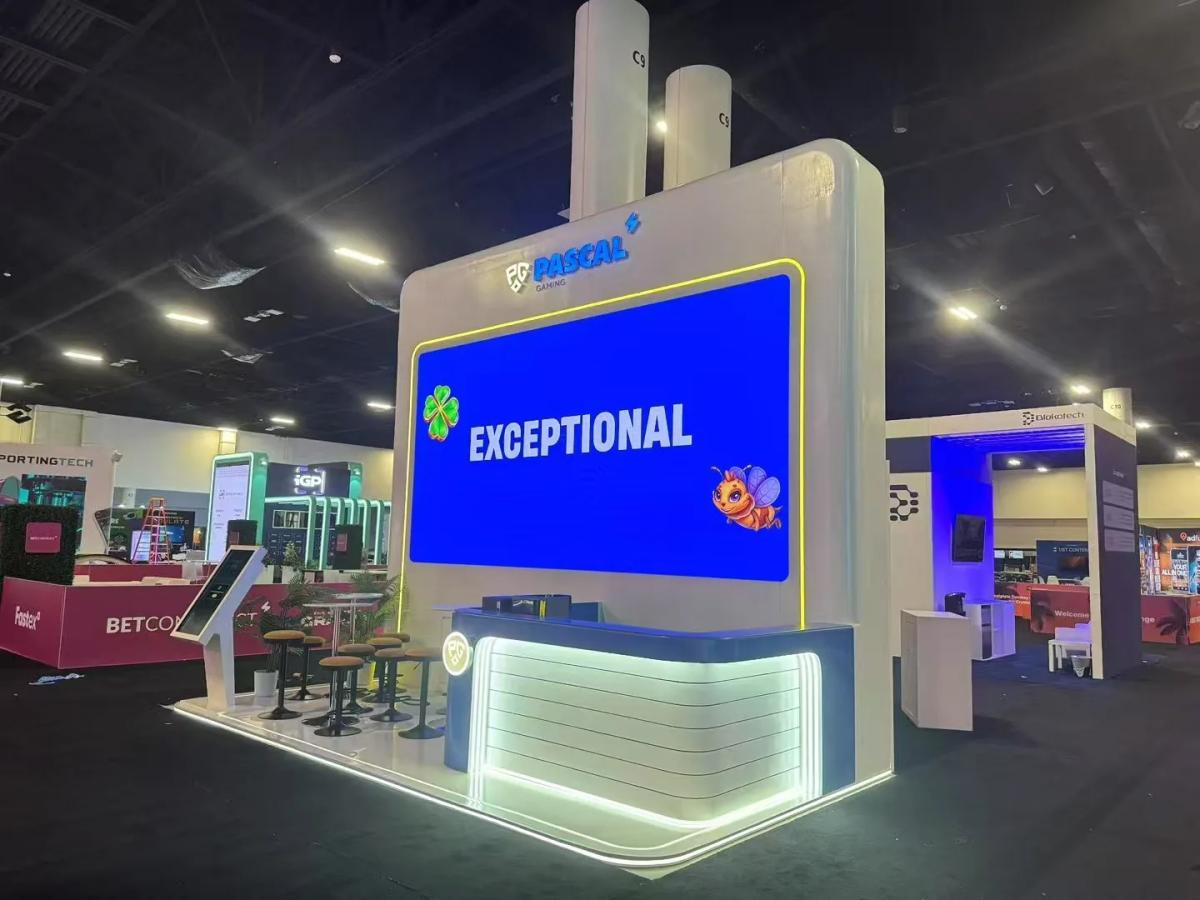
A 10x10 or 10x20 space can feel restrictive the first time you're staring at a floor plan with your booth number circled on it. It isn't. Some of the most memorable booths on any show floor occupy the smallest footprints, because a tight space forces genuinely creative decisions instead of relying on scale to do the work. This guide walks through creative trade show booth ideas that work specifically within a small footprint, organized around real US shows happening in 2027, so first-time exhibitors can match an idea to the audience that will actually respond to it.
Why Small Footprints Reward Better Thinking, Not Less
A large island booth can hide a weak concept behind sheer size. A compact space can't. Every square foot has to earn its place, which is exactly why good exhibition trade show booth design at this scale tends to be sharper than larger builds, there's no room for an idea that doesn't actually work.
The Core Principle for Small Spaces
Before looking at specific shows, it helps to understand what separates a small booth that disappears from one that doesn't:
- One dominant idea, not five competing ones. A small space can only support one strong visual statement.
- Height does more work than floor space. Vertical elements register from a distance even in a compact footprint.
- Function has to double up. A demo counter that also stores materials, a wall that's both signage and storage.
- Messaging has to be instant. There's no room for an attendee to stand and read, the point has to land in seconds.
Matching Booth Ideas to the Right 2027 Show
Different shows reward different kinds of creativity. Below are specific trade show booth ideas suited to major US exhibitions on the 2027 calendar.
CES 2027 - Las Vegas, January 6–9
CES spans the Las Vegas Convention Center, the Venetian Expo, and additional venues, with thousands of exhibitors competing for attention in a dense, fast-moving crowd.
- A single bold lighting feature that reads from across the aisle, since attendees are scanning quickly and rarely slow down for subtlety
- A compact live demo station positioned at the front of the booth rather than tucked inside, so the activity itself draws people in
- High-contrast, oversized signage - CES rewards booths that communicate their value proposition before anyone actually walks up
NRF 2027 - New York, January 10–12
NRF draws retail professionals who evaluate booth design the way they'd evaluate a store layout, critically and quickly.
- Merchandising-style product staging, borrowing visual techniques from retail displays rather than generic trade show racks
- A clean, editorial color palette instead of a crowded, promotional one, retail buyers respond to restraint
- A small, well-lit "shelf" moment that treats your product the way a flagship store would
World of Concrete 2027 - Las Vegas, January 19–21
This is an industrial, equipment-focused audience where function matters more than visual flourish.
- A scaled-down product or component display that lets attendees physically handle what you're showing
- Durable, honest materials, exposed metal, concrete-look surfaces, that visually signal credibility to a technical buyer
- Clear spec signage placed at eye level, since this audience reads technical detail rather than taglines
NADA Show 2027 - Orlando, February 17–20
Franchised auto dealers are skeptical, experienced, and short on patience for anything that feels like fluff.
- A single, numbers-driven headline, ROI, efficiency, or revenue impact, stated plainly and visibly
- A small, semi-enclosed conversation nook, since dealers often want a real discussion, not a quick pitch
- Understated, confident design rather than anything that reads as flashy or overdesigned
IWCE 2027 - Las Vegas, exhibits March 10–11
Public safety and critical communications buyers value trust and technical depth over spectacle.
- A compact live demonstration of your technology in action, since this audience wants to see function, not just hear about it
- Muted, professional color choices that avoid feeling consumer-oriented
- A small private area for the serious, often confidential conversations this audience tends to have
MRO Americas 2027 - Orlando, April 13–15
Aviation maintenance buyers are evaluating precision, and your booth's design is an early signal of that same quality.
- A single component or part displayed prominently, engineered for a compact structural mount
- Clean, technical graphics over decorative ones, this audience reads specs, not slogans
- A small meeting space for procurement-level conversations that happen throughout the show
National Restaurant Association Show 2027 - Chicago, May 22–25
This is a hands-on, sensory audience, chefs, operators, and distributors who want to taste, touch, and try.
- A compact sampling or tasting station, even in a small footprint, since this is the single highest-engagement idea for this audience
- Warm, tactile materials, wood tones, natural textures, that feel aligned with food and hospitality
- Real product visible and accessible, not hidden behind glass or screens
Design Elements That Work Across Every Small Footprint
Regardless of which show you're exhibiting at, a few principles from strong custom trade show exhibit design consistently perform well in compact spaces:
- Vertical storage disguised as design, cabinets and counters that double as structural or visual elements
- One signature material or finish carried consistently throughout, rather than several competing textures
- Lighting as the primary differentiator, since it's one of the most cost-effective ways to make a small space feel considered rather than cramped
- A single interactive moment, sized appropriately for the footprint, rather than several smaller activities that dilute attention
Common Mistakes in Small-Footprint Booths
A few patterns show up repeatedly in exhibit booth designs that underperform despite a reasonable budget:
- Trying to fit too many messages into a space that can only support one
- Treating a small footprint as a reason to under-invest in design quality, rather than a reason to be more deliberate
- Choosing furniture or structural elements sized for a larger booth, which makes a compact space feel cluttered rather than intentional
- Ignoring vertical space entirely and only designing at eye level
How to Approach Your First Small-Footprint Booth
- Identify the one idea your booth needs to communicate before anything else
- Choose the show-specific tone that fits your audience, based on the examples above
- Design vertically first, then fill in floor-level detail
- Cut anything that doesn't support the single idea, even if it's a design element you personally like
The Bottom Line
A small footprint isn't a limitation to work around, it's a constraint that, handled well, produces sharper tradeshow booth designs than an unlimited budget often does. Whether you're heading to CES, NRF, NADA Show, or any other major US exhibition in 2027, the exhibitors who make the strongest impression in a compact space are the ones who commit to one clear idea and execute it specifically for the audience in front of them, rather than reusing a generic template across every show on the calendar.

Grace Hawthorne is a nonfiction writer who turns everyday observations into clear, engaging insights. Beyond writing, she has a passion for art exhibitions, travel, and discovering new cultures and ideas, experiences that often find their way into her work.













Comments (0)