Can't Get a Reliable Signal Indoors? Discover the Benefits of Distributed Antenna Systems
Can't Get a Reliable Signal Indoors? | Distributed Antenna Systems Learn how Distributed Antenna Systems improve indoor mobile coverage, reduce dropped calls, and deliver reliable wireless connectivity for every building.
 Fixtel
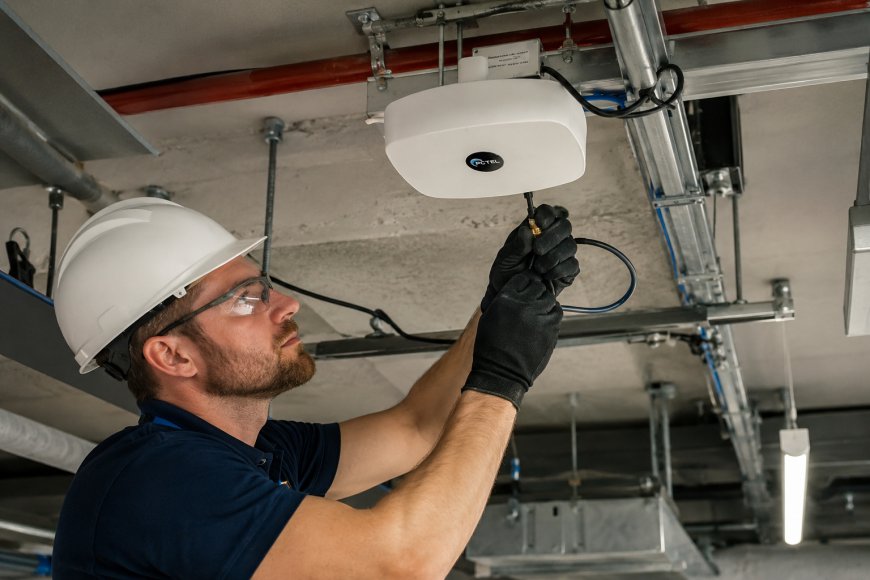
A weak mobile signal inside a building is more than a minor inconvenience. It can interrupt important business calls, slow down communication, reduce productivity, and create a frustrating experience for employees, customers, and visitors. Whether you manage an office, hospital, hotel, shopping centre, warehouse, or educational facility, reliable indoor connectivity has become an essential part of daily operations. Distributed Antenna Systems are designed to solve these challenges by extending strong, consistent wireless coverage throughout a building where traditional outdoor signals often struggle to reach.
Why Indoor Signal Problems Are So Common
Many people assume that if they have good mobile coverage outside, they should experience the same level of service indoors. In reality, buildings often block or weaken wireless signals before they can reach the devices inside. Materials such as concrete, steel, tinted glass, and thick walls reduce signal strength, while larger buildings create additional barriers that prevent consistent coverage.
As more employees, customers, and connected devices rely on mobile networks every day, these limitations become even more noticeable. Areas that once received an acceptable signal may gradually experience slower data speeds, dropped calls, and unreliable connections due to increased network demand.
The Impact of Poor Connectivity
An unreliable mobile signal affects far more than personal convenience. For businesses, communication delays can disrupt customer service, reduce employee efficiency, and create unnecessary operational challenges. Missed calls, interrupted meetings, and slow access to cloud-based applications can quickly affect daily workflows.
Healthcare facilities depend on stable communication between medical staff. Hotels want guests to enjoy seamless connectivity throughout their stay. Retail stores increasingly use mobile payment systems and digital services that require dependable network access. Even residential apartment buildings benefit from strong indoor coverage as remote work and smart home technology continue to grow.
Reliable communication is now a basic expectation rather than an added feature.
Understanding the Right Solution
When signal issues appear consistently throughout a building, simply changing mobile carriers or installing a stronger router rarely addresses the underlying problem. Indoor wireless coverage requires a solution specifically designed for the building's structure and layout.
A properly engineered coverage system captures available cellular signals and distributes them evenly throughout the property. Instead of leaving some rooms with excellent reception and others with almost none, the signal becomes far more balanced across the entire space.
This approach is especially valuable in larger facilities where multiple floors, enclosed rooms, elevators, underground parking areas, and mechanical spaces often experience poor reception.
Why Professional Planning Matters
Every building presents unique challenges. Construction materials, building size, occupancy levels, and the number of wireless users all influence overall performance. Because of this, successful indoor coverage begins with a detailed site assessment rather than a one-size-fits-all installation.
Professional engineers evaluate existing signal strength, identify problem areas, and design a system that delivers consistent performance where it is needed most. Careful planning also allows room for future expansion as businesses grow and technology continues to evolve.
Investing time in proper design helps prevent ongoing communication problems while avoiding unnecessary equipment costs.
Supporting Modern Business Operations
Today's workplaces depend on uninterrupted communication throughout the day. Employees regularly participate in video meetings, access cloud platforms, communicate through mobile applications, and collaborate across multiple locations.
Customers also expect reliable mobile service whenever they enter a commercial building. Whether they need to complete an online payment, contact someone by phone, or simply browse the internet while waiting, strong connectivity contributes to a better overall experience.
Businesses that provide dependable communication environments often enjoy smoother operations and higher customer satisfaction because technology works consistently in the background instead of becoming an obstacle.
Preparing for Future Technology
Wireless technology continues to advance at a rapid pace. More connected devices, faster mobile networks, and increasing reliance on digital communication mean that indoor coverage requirements will only continue to grow.
Planning for future needs allows building owners to avoid repeated upgrades and costly modifications later. A scalable infrastructure makes it easier to support higher user demand, new mobile technologies, and expanding business operations without major disruption.
Forward-thinking property owners recognize that investing in reliable communication infrastructure today can provide long-term value for both tenants and visitors.
Choosing a Long-Term Connectivity Strategy
Rather than treating poor reception as an unavoidable part of indoor environments, many organizations now view reliable connectivity as an investment in operational efficiency. Buildings that support consistent communication create a more productive workplace, improve customer experiences, and help organizations adapt to changing technology demands.
When evaluating solutions, it is important to consider not only immediate coverage improvements but also long-term reliability, maintenance requirements, and future scalability. Working with experienced professionals ensures the system is designed to meet both current and future communication needs.
Conclusion
Persistent indoor signal problems can affect productivity, customer satisfaction, and everyday communication. Instead of accepting dropped calls and unreliable mobile coverage, organizations can implement solutions that provide dependable connectivity throughout their facilities. Distributed Antenna Systems offer an effective way to strengthen indoor wireless coverage, helping businesses, institutions, and property owners create environments where people can communicate confidently and efficiently. As digital communication continues to play a larger role in daily life, investing in reliable indoor coverage becomes an important step toward supporting long-term success.