Common Questions About Clear Braces on Teeth
Somebody mentions clear braces on teeth and half the room immediately starts asking questions, do they actually work as well as metal, do people notice them, how much more do they cost.
 walaeric704@gmail.com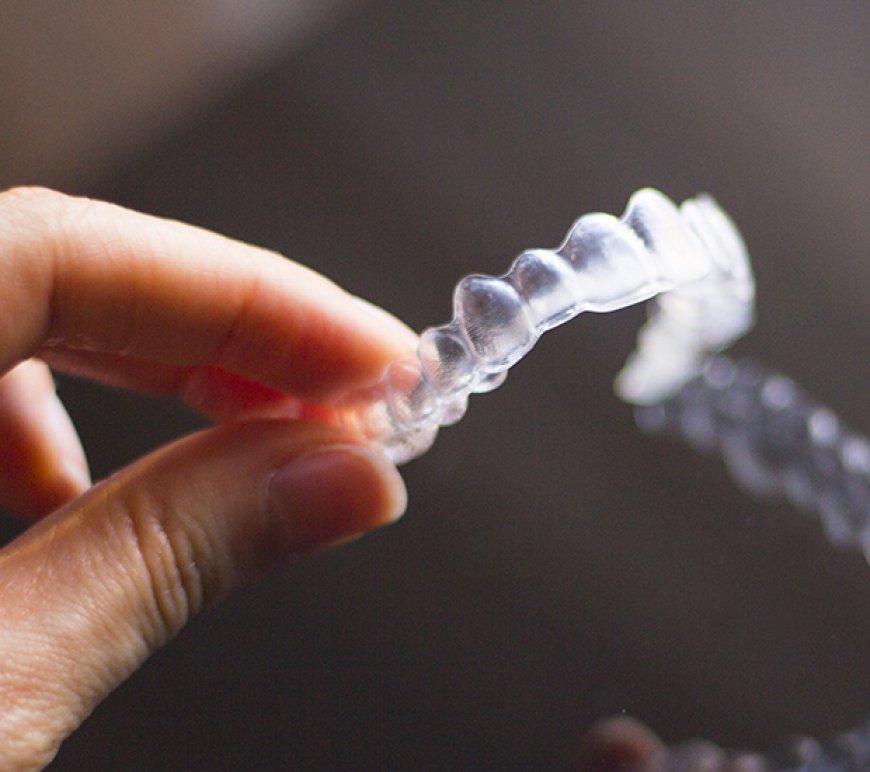
Somebody mentions clear braces on teeth and half the room immediately starts asking questions, do they actually work as well as metal, do people notice them, how much more do they cost. Fair questions honestly, since this option's become way more popular over the last decade and the information floating around isn't always accurate. Worth actually answering the stuff people keep asking instead of leaving them to guess.
Do They Actually Work As Well As Metal Braces
Short answer, mostly yes, though it depends on the case. Clear braces, whether that means ceramic brackets or clear aligner trays like Invisalign, correct a lot of the same issues metal braces handle, crowding, gaps, some bite problems. Where it gets more nuanced is with severe cases, really significant crowding or complex bite corrections sometimes still respond better to traditional metal braces since they offer more precise control over tooth movement in tricky situations. A good orthodontist or dentist evaluates the actual case rather than just going with whatever's requested, since not every smile is a perfect candidate for the clear option even if that's the preference going in.

Are They Actually Noticeable Or Not
Ceramic brackets are tooth-colored, so they blend in a lot better than metal but they're not fully invisible, someone looking closely will spot them. Clear aligner trays, the removable kind, come closer to invisible since they're made of thin transparent plastic that sits over the teeth. Neither option is completely undetectable in every lighting or angle, that's just realistic to expect, but both are dramatically less noticeable than traditional metal brackets and wires, which is really the whole draw for most adults considering this route in the first place.
How Much Do They Actually Cost Compared to Metal
Generally more expensive, sometimes by a fair margin depending on the specific type and the complexity of the case. Ceramic brackets run somewhat higher than metal since the material itself costs more and can be a bit more fragile to work with. Clear aligners vary widely, simpler cases with mild correction needed cost less, more complex cases requiring many sets of trays cost more, sometimes approaching or exceeding traditional braces pricing. Insurance sometimes covers a portion regardless of which type's chosen, worth checking specifically since not every plan treats cosmetic-adjacent options the same as traditional orthodontic treatment.
Do They Take Longer to Work
Not necessarily, though it depends on the case and which specific types are being used. Ceramic braces work on basically the same timeline as metal since the mechanism moving teeth is essentially identical, just a different bracket material. Clear aligners can sometimes take a bit longer for more complex movements since they rely on the patient actually wearing them consistently, twenty two hours a day typically, and any lapse in wear time can extend the overall treatment timeline noticeably. Discipline matters more with aligners than with fixed brackets, since brackets aren't something the patient can just decide to skip for a day.
Are They Harder to Take Care Of
Ceramic brackets need about the same care as metal, brushing carefully around brackets and wires, using floss threaders or a water flosser to get underneath the wire properly. One thing worth knowing, ceramic brackets can stain if someone's not careful with coffee, wine, or tobacco, since the material's more porous than metal. Clear aligners are actually easier in some ways since they come out for eating and brushing, no food restrictions really, but they do require discipline putting them back in promptly and cleaning the trays themselves regularly to avoid buildup or odor.

Who's Actually a Good Candidate
Most people considering orthodontic correction as adults or teens are reasonable candidates for some form of clear option, but severity matters. A consultation with someone offering dentistry in Simi Valley will usually clarify pretty quickly whether ceramic brackets, clear aligners, or traditional metal makes the most sense for a specific mouth. Age isn't really a barrier, plenty of adults in their forties, fifties, even later go through orthodontic treatment now, it's really about the complexity of what needs correcting and personal preference around cost, timeline, and how noticeable the treatment is during the process.
Deciding If This Is the Right Path
There's no single right answer that fits everyone, it really comes down to what specific issue needs fixing, budget, and how much someone cares about visibility during treatment. Some people prioritize speed and don't mind visible braces if it means finishing faster, others would rather it take a bit longer if it means nobody notices during the process. Either way, sitting down with someone who actually evaluates the mouth in question, rather than assuming based on what worked for a friend or something read online, is the only real way to land on the right choice instead of guessing and hoping for the best.