Why Is Rodent Proof Insulation Important for Homes Today
 walaeric704@gmail.com
 Rodent evidence sequestration is getting a critical result for homeowners who want to cover their structures from retired structural damage and impurity caused by pests. Traditional sequestration accoutrements frequently produce warm, retired spaces where rodents thrive, but rodent evidence sequestration is designed to repel eating, nesting, and long- term infestation. The growing demand for rodent proof insulation reflects how serious inner pest problems have come in ultramodern casing systems. Numerous homeowners first notice the benefits of rodent evidence sequestration when they witness reduced signs of pest exertion in walls and ceilings. The use of rodent evidence sequestration also improves overall hygiene and reduces conservation costs over time. Beforehand mindfulness of rodent evidence sequestration helps help expensive repairs latterly. In numerous cases, rodent evidence sequestration is combined with sealing ways to produce a stronger hedge. Professionals frequently recommend rodent evidence sequestration as a long- term preventative measure. It's especially useful in areas where climate conditions attract rodents time- round. Indeed aged homes can be upgraded with rodent evidence sequestration for better protection. Alongside this, pest control experts frequently coordinate results similar as rat junking to address active infestations before installing sequestration upgrades.
Why Homes Are Decreasingly Vulnerable to Rodent Infestation
Modern construction styles, sequestration gaps, and civic expansion have made homes more vulnerable to pest entry points than ever ahead. Rodents can fluently squeeze through small openings in roofs, basements, and wall depressions, making forestallment essential. Rodent evidence sequestration plays a vital part in reducing these retired access points by buttressing vulnerable areas. Without rodent evidence sequestration, indeed recently erected homes can witness repeated infestations. Homeowners frequently underrate how snappily rodents can multiply formerly when they enter insulated spaces. Rodent evidence sequestration helps block nesting openings and reduces warmth magnet inside structural depressions. In colder months, the demand for rodent evidence sequestration becomes indeed more important as rodents seek sanctum indoors. numerous pest experts emphasize that forestallment is more effective than treatment. That's why rodent evidence sequestration is recommended as part of a complete pest- proofing strategy. Structural vulnerabilities must always be assessed before sequestration upgrades. In severe cases, professionals may first recommend rat junking to exclude active colonies before sealing entry points.
Crucial Features That Make Rodent Proof Insulation Effective
Rodent evidence sequestration is specifically finagled using thick, durable, and pest- resistant accoutrements that discourage biting and nesting. Unlike traditional sequestration, rodent evidence sequestration does n't give easy pathways or soft nesting surroundings for pests. One of the strongest advantages of rodent evidence sequestration is its capability to maintain structural integrity indeed in high- threat pest zones. The design of rodent evidence sequestration frequently includes mineral- grounded or essence- invested factors that rodents avoid. Another important point of rodent evidence sequestration is its resistance to humidity, which further reduces pest magnet. Over time, rodent evidence sequestration also helps maintain harmonious inner temperatures while guarding the structure from damage. numerous builders now consider rodent evidence sequestration a standard demand in pest-prone regions. It also works well in combination with sealing and rejection styles. Property possessors appreciate that rodent evidence sequestration reduces the need for frequent repairs. In pest-heavy surroundings, professionals frequently combine rodent evidence sequestration with rat junking services to insure both forestallment and active infestation control.
How Rodents Damage Traditional Insulation Systems
Traditional sequestration accoutrements are largely vulnerable to rodent damage because they're soft, warm, and easy to shred. Rodents frequently burrow through fiberglass or froth sequestration, creating coverts and nests that reduce effectiveness. Rodent evidence sequestration eliminates these pitfalls by defying penetration and discouraging nesting geste
. Damage caused by rodents can lead to advanced energy bills and poor temperature regulation inside homes. Rodent evidence sequestration prevents similar inefficiencies by maintaining its structure over time. When rodents overrun sequestration layers, they frequently leave feces and pollutants that produce health hazards. This is another reason rodent evidence sequestration is getting extensively recommended. Structural damage caused by rodents can also weaken ceilings and wall systems. Rodent evidence sequestration protects against this gradational but expensive deterioration. In numerous restoration systems, installers first recommend rat junking before replacing damaged sequestration accoutrements . This ensures that rodent evidence sequestration performs effectively without ongoing hindrance from pests.
Health Pitfalls Associated With Rodent Infestations Indoors

Rodents are n't only destructive but also pose serious health pitfalls to inhabitants. They can carry bacteria, contagions, and allergens that spread through defiled sequestration and air systems. Rodent evidence sequestration helps reduce these pitfalls by precluding nesting and impurity within structural spaces. Without rodent evidence sequestration, airborne patches from rodent waste can circulate through ventilation systems. This can spark disinclinations, respiratory issues, and other health complications. Rodent evidence sequestration contributes to a cleaner inner terrain by limiting exposure to these hazards. Families with children or senior members profit significantly from bettered inner air quality. Rodent evidence sequestration also reduces the liability of recreating infestations that can compromise hygiene. In addition to forestallment, immediate intervention similar as rat junking is frequently needed when infestations are formerly present. Combining rodent evidence sequestration with pest control creates a healthier long- term living terrain. Numerous homeowners notice a significant enhancement in inner cleanliness after upgrading to rodent evidence sequestration.
Installation Process and Stylish Practices for Long- Term Protection
Installing rodent evidence sequestration requires careful planning and proper sealing of all entry points before operation. The process generally begins with a thorough examination of the property to identify implicit rodent access areas. Rodent evidence sequestration is also installed in walls, garrets, and bottleneck spaces to produce a defensive hedge. Proper installation ensures that rodents can not fluently access or nest within the sequestration layers. Rodent evidence sequestration works best when combined with structural sealing and conservation practices. Professionals frequently recommend removing being infestations before installation begins. In similar cases, rat junking becomes a necessary first step to insure a clean foundation. Rodent evidence sequestration must also be installed according to manufacturer guidelines to maintain effectiveness. Regular examinations after installation help maintain long- term protection. Property possessors who invest in rodent evidence sequestration experience smaller pest- related issues over time. This makes rodent evidence sequestration a precious long- term investment for home protection.
Cost Benefits and Long- Term Savings for Homeowners
Although rodent evidence sequestration may have a advanced original cost compared to traditional accoutrements , it offers significant long- term savings. Homeowners profit from reduced form costs, lower energy bills, and smaller pest control charges. Rodent evidence sequestration minimizes the need for frequent sequestration relief due to damage. Over time, this leads to substantial fiscal savings. Rodent evidence sequestration also reduces the liability of structural repairs caused by retired infestations. Energy effectiveness advancements farther add to bring benefits. numerous homeowners find that rodent evidence sequestration pays for itself through reduced conservation requirements. Insurance pitfalls may also drop when pest- related damage is minimized. In combination with preventative services like rat junking, rodent evidence sequestration ensures both immediate and long- term fiscal protection. It's considered a smart investment for both domestic and marketable parcels.
Environmental and Energy Efficiency Advantages
Rodent evidence sequestration not only protects homes from pests but also enhances energy effectiveness. By maintaining stable inner temperatures, rodent evidence sequestration reduces heating and cooling demands. This leads to lower energy consumption and a reduced environmental footmark. Rodent evidence sequestration also lasts longer than traditional accoutrements , reducing waste generation over time. Its continuity ensures smaller reserves and lower material disposal. Homeowners who install rodent evidence sequestration contribute to further sustainable structure practices. Advanced energy effectiveness also results in lower mileage bills. Rodent evidence sequestration supportseco-friendly construction pretensions without compromising comfort. In numerous ultramodern structure norms, rodent evidence sequestration is recommended for green instrument compliance. Indeed in aged homes, upgrading to rodent evidence sequestration improves environmental performance significantly.
Common Myths About Rodent Proof Insulation
There are several misconceptions about rodent evidence sequestration that frequently help homeowners from making informed opinions. One common myth is that no sequestration can fully stop rodents, but rodent evidence sequestration significantly reduces infestation pitfalls. Another misconception is that rodent evidence sequestration is gratuitous in clean neighborhoods, but rodents can appear anywhere. Some believe rodent evidence sequestration is too precious, yet long- term savings frequently overweigh original costs. Others assume that pest control alone is enough, but rodent evidence sequestration provides structural protection that chemicals can not. Rodent evidence sequestration is n't a temporary fix but a long- term preventative result. It works best when combined with proper sealing and conservation. Professional guidance ensures that rodent evidence sequestration is installed effectively. Understanding these data helps homeowners make better protection opinions. In severe infestation cases, rat junking may still be needed before upgrading sequestration systems.
Choosing the Right Accoutrements for Maximum Effectiveness
opting the right type of rodent evidence sequestration is essential for achieving maximum protection and continuity. Accoutrements similar as mineral hair, sword mesh- backed sequestration, and thick froth are generally used in rodent evidence sequestration systems. Each type offers different situations of resistance depending on environmental conditions. Rodent evidence sequestration should always be chosen grounded on the specific vulnerability of the property. Factors similar as climate, erecting age, and pest history play an important part. Rodent evidence sequestration must also misbehave with safety and structure norms. Professional installers can help determine the stylish material combination. High- quality rodent evidence sequestration ensures long- lasting protection and performance. It's also important to insure proper installation ways are followed. In numerous cases, rat junking is performed previous to opting sequestration accoutrements to insure a pest-free terrain.
Conservation Tips to Extend Insulation Lifespan
Maintaining rodent evidence sequestration is fairly simple but essential for long- term performance. Regular examinations help identify any new entry points or structural issues. Rodent evidence sequestration should be checked annually for signs of wear and tear or damage. Keeping girding areas clean and sealed farther enhances its effectiveness. Rodent evidence sequestration performs stylish when combined with ongoing pest monitoring. Homeowners should also insure that reflections and openings remain defended. Any signs of rodent exertion should be addressed incontinently.
Future of Pest Resistant Building results
The future of home construction is decreasingly concentrated on integrated pest- resistant technologies, with rodent evidence sequestration playing a central part. Advances in material wisdom are making rodent evidence sequestration indeed more durable and effective. Builders are now prioritizing pest forestallment at the design stage. Rodent evidence sequestration is anticipated to become a standard point in ultramodern construction canons. Smart home technologies may also integrate pest discovery systems alongside rodent evidence sequestration. This combined approach offers stronger protection and early discovery capabilities. As mindfulness grows, further homeowners are investing in rodent evidence sequestration during emendations. It represents a shift toward visionary rather than reactive pest control. The demand for rodent evidence sequestration continues to rise encyclopedically.
Conclusion Comprehensive Protection With Modern Insulation results

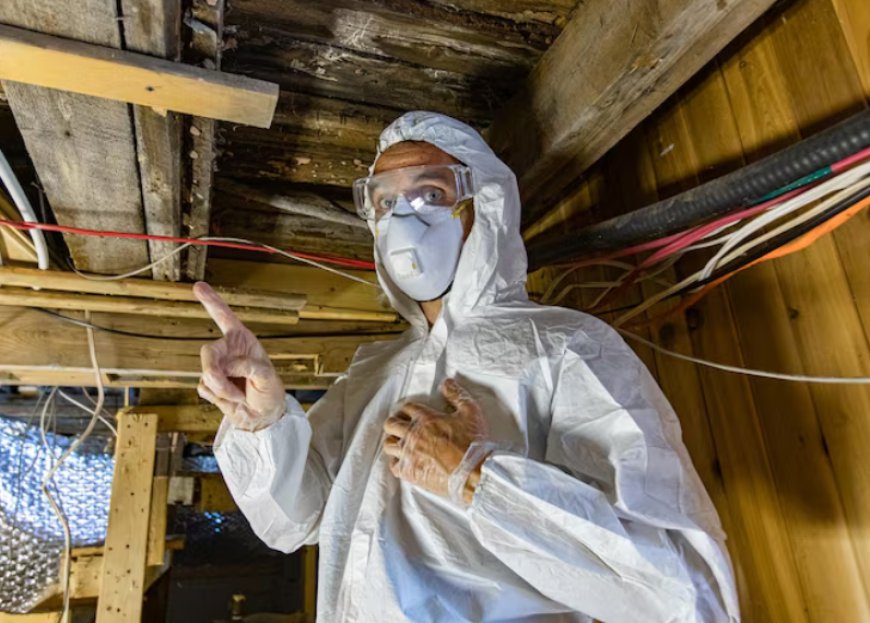
Rodent evidence sequestration provides an important result for guarding homes from structural damage, health pitfalls, and energy loss caused by pests. Its long- term continuity and resistance make it a favored choice for ultramodern homeowners seeking dependable protection. When combined with proper sealing and pest control strategies, rodent evidence sequestration ensures a safer and more effective living terrain. In cases of active infestation, rat removal becomes an essential step before installing defensive sequestration systems.
Frequently Asked Questions
1. What makes rodent evidence sequestration different from regular sequestration?
Rodent evidence sequestration is designed with thick, resistant accoutrements that help eating, nesting, and long- term pest damage compared to traditional sequestration.
2. Can rodent evidence sequestration fully stop rodents from entering a home?
It significantly reduces entry and nesting openings, but sealing gaps and conservation are also needed for full protection.
3. How long does rodent evidence sequestration last?
High- quality rodent evidence sequestration can last for numerous times with minimum conservation if duly installed.
4. Is rodent evidence sequestration worth the investment?
Yes, it reduces form costs, improves energy effectiveness, and minimizes pest- related damage over time.
5. Do I need pest control before installing rodent evidence sequestration?
Yes, in cases of active infestation, rat junking is recommended before installation to insure effectiveness.