How Beauty Care Is Evolving in Nigeria
Explore how skincare, hair care, hygiene products, women consumers, retail expansion, and product safety are shaping Nigeria's beauty and personal care sector through 2032.
 Jhon223
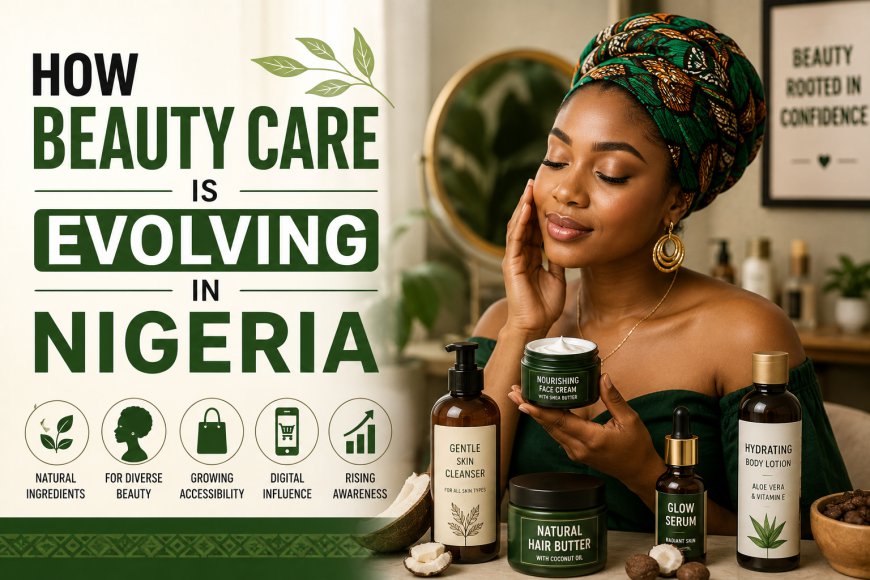
Beauty and personal care products are becoming more important in Nigeria as consumers place greater attention on skincare, grooming, hygiene, hair care, fragrance, and everyday appearance. Demand is shaped by urban lifestyles, social media influence, retail accessibility, and rising awareness of product quality. From facial creams and body lotions to hair products, deodorants, cleansers, and cosmetics, the category is becoming part of regular household spending.
A recent Nigeria beauty and personal care study by MarkNtel Advisors highlights demand from skincare products, women consumers, and growing beauty awareness. The study values the sector at USD 1.17 billion in 2025 and projects it to grow from USD 1.22 billion in 2026 to USD 2.08 billion by 2032, reflecting a CAGR of around 9.30% during 2026–2032.
Skincare Leads Product Demand
Skincare accounted for approximately 30% share in 2026, according to the shared study. This reflects growing consumer interest in moisturizers, body creams, facial cleansers, sunscreens, toners, serums, and products designed for specific skin concerns. Nigeria’s warm climate, urban pollution, and rising grooming awareness are also influencing skincare routines.
Skincare demand is becoming more diverse as consumers look for products suited to different skin types, tones, and weather conditions. Brands that provide clear ingredients, realistic claims, and suitable formulations can build stronger trust. Affordability also matters because many buyers compare product performance with price before making repeat purchases.
Women Consumers Hold Strong Share
Women consumers accounted for around 47% share in 2026, making them the leading consumer group in the report. This is linked with wider use of skincare, hair care, cosmetics, fragrances, body care, and hygiene products. Beauty routines among women often include both functional care and appearance-focused products.
However, men’s grooming is also gaining visibility through deodorants, beard care, shaving products, hair styling, fragrances, and skincare. Younger consumers are more open to experimenting with new brands, online beauty content, and trend-led products. This is creating a broader consumer base across age groups and income levels.
Product Safety Builds Consumer Trust
Product safety is important because beauty and personal care products are applied directly to the skin, hair, lips, eyes, or body. Consumers need confidence that products are registered, labeled correctly, and suitable for use. Poor-quality or counterfeit products can create irritation, allergic reactions, or loss of trust.
Nigeria’s National Agency for Food and Drug Administration and Control provides cosmetics guidance for the manufacture, importation, distribution, sale, and use of cosmetic products in Nigeria. This regulatory context is important as organized beauty retail and branded products become more visible.
Hygiene Supports Everyday Personal Care
Personal care is not only about appearance. Products such as soaps, body washes, deodorants, oral care products, hand cleansers, and hygiene-related items support daily cleanliness and comfort. In busy households, workplaces, schools, and public spaces, hygiene products remain practical daily-use items.
The World Health Organization’s water, sanitation and hygiene guidance explains that safe and sufficient WASH plays a key role in preventing several health risks. This broader hygiene context supports recurring demand for personal cleansing and hygiene-focused products.
Hair Care Remains Culturally Important
Hair care has strong relevance in Nigeria because hair styling, scalp care, protective styles, braids, relaxers, oils, shampoos, conditioners, and treatments are closely connected with identity, grooming, and social expression. Consumers often choose products based on hair texture, styling habits, scalp needs, affordability, and brand familiarity.
Hair care brands must address practical needs such as moisture retention, breakage control, scalp comfort, styling hold, and ease of use. Products that work well for local hair types and climate conditions can gain stronger loyalty. Salons, beauty shops, and informal recommendations also influence purchase decisions.
Retail Access Shapes Buying Behavior
Beauty and personal care products are sold through supermarkets, pharmacies, beauty stores, open markets, kiosks, salons, e-commerce platforms, and social commerce channels. Traditional retail remains important because many consumers prefer nearby purchasing and smaller pack sizes. At the same time, online channels are helping users discover new products.
Retail visibility strongly affects brand performance. Packaging, price, shelf placement, promotions, product demonstrations, and influencer content can influence decisions. For price-sensitive consumers, small packs and affordable variants improve accessibility, while premium consumers may seek imported products, dermatologist-backed items, or specialized formulations.
Registration Supports Formalization
As the category expands, formal product registration and compliance become more important. Clear regulation helps distinguish registered products from unsafe or unverified items. This is especially relevant for imported cosmetics, local manufacturing, private labels, and small beauty businesses entering formal retail channels.
NAFDAC’s cosmetic products registration regulations state that cosmetic products manufactured, imported, exported, advertised, sold, distributed, or used in Nigeria must be registered in accordance with the regulations. This supports product accountability and consumer protection.
Outlook for Beauty and Personal Care
Nigeria’s beauty and personal care demand is being shaped by skincare leadership, women consumers, hygiene needs, hair care culture, retail expansion, social media influence, and stronger attention to product safety. The report figures indicate steady growth through 2032 as beauty and grooming products become more embedded in daily routines.
The long-term direction will depend on affordability, product quality, regulation, local manufacturing, retail reach, online discovery, and consumer trust. As Nigerian shoppers continue balancing personal style, hygiene, and value, beauty and personal care products are likely to remain an important part of everyday consumer spending.