Everything You Need to Know About Driveway Patching Services
 walaeric704@gmail.com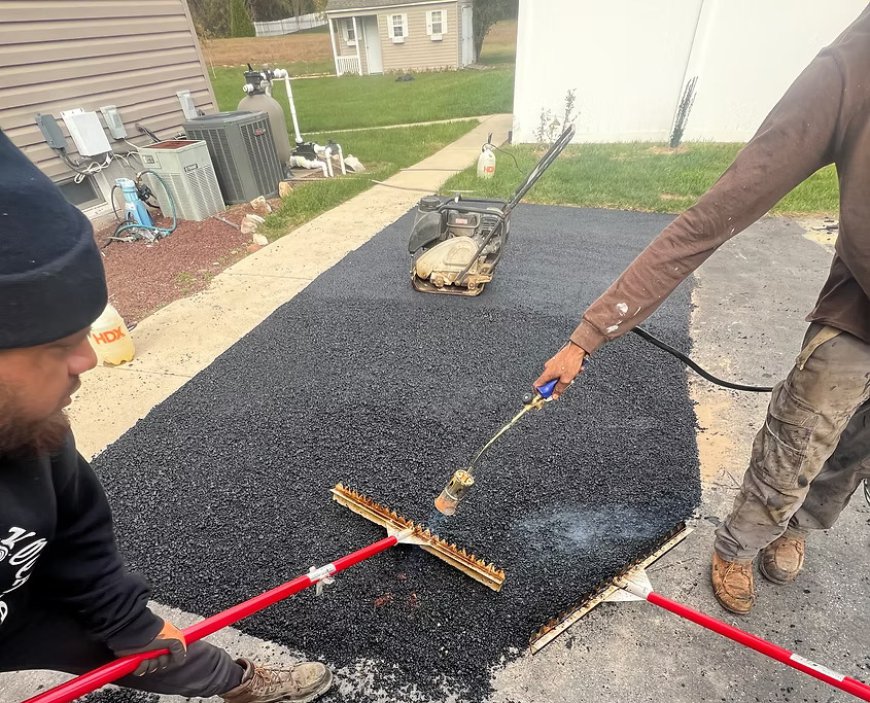
A damaged driveway can significantly affect the appearance, functionality, and value of your property. Over time, driveways develop cracks, potholes, and uneven surfaces due to weather conditions, vehicle traffic, and natural wear and tear. If you have been searching for driveway patching near me, understanding the basics of driveway patching services can help you make informed decisions about maintaining your pavement. Professional driveway patching is a cost-effective solution that restores damaged areas, improves safety, and extends the lifespan of your driveway without requiring a complete replacement.
What Is Driveway Patching?
Driveway patching is a repair process designed to fix localized damage on asphalt or concrete driveways. Instead of replacing the entire surface, contractors focus on repairing specific problem areas such as cracks, potholes, depressions, and surface deterioration.
The process involves removing damaged material, cleaning the affected area, and applying new asphalt or repair compounds to create a smooth and durable surface. Driveway patching helps prevent minor issues from becoming major structural problems that can lead to expensive repairs in the future.
Common Signs Your Driveway Needs Patching
Driveways are exposed to harsh environmental conditions every day. Temperature fluctuations, rainwater, UV rays, and heavy vehicle loads gradually weaken the pavement structure. Recognizing the early signs of damage can help you schedule repairs before the problem worsens.
Cracks are often the first indication that your driveway requires attention. Small cracks may seem harmless initially, but they allow water to seep beneath the surface, causing further deterioration. Potholes are another common issue that develops when moisture weakens the underlying foundation. Uneven surfaces, loose gravel, and areas with visible wear also signal the need for professional patching services.
Ignoring these warning signs can accelerate pavement damage and increase repair costs over time.
How the Driveway Patching Process Works
Professional driveway patching begins with a thorough inspection of the damaged area. Contractors assess the severity of the problem and determine the most suitable repair method.
The damaged pavement is then cleaned to remove debris, dirt, and loose materials. In cases involving potholes or extensive deterioration, the damaged section may be cut out entirely before new material is applied. Fresh asphalt or repair compounds are placed into the prepared area and compacted to ensure a strong bond with the existing surface.
Once the repair is completed, the patched area is allowed to cure properly. This process creates a durable repair that blends with the surrounding pavement and restores the driveway's functionality.
Benefits of Professional Driveway Patching Services
Investing in professional driveway patching offers numerous advantages for homeowners and property managers. One of the most significant benefits is cost savings. Patching damaged sections is considerably more affordable than replacing an entire driveway.
Another major advantage is improved safety. Cracks, potholes, and uneven surfaces can create tripping hazards and increase the risk of vehicle damage. Timely repairs eliminate these dangers and create a smoother driving and walking surface.
Professional patching also enhances curb appeal. A well-maintained driveway improves the overall appearance of your property and creates a positive impression on visitors and potential buyers.
Additionally, patching extends the lifespan of your driveway by preventing water infiltration and structural damage. Regular maintenance helps maximize the return on your pavement investment.
Factors That Cause Driveway Damage
Understanding the causes of driveway deterioration can help property owners take preventive measures. Weather is one of the leading contributors to pavement damage. Freeze-thaw cycles cause water trapped within cracks to expand and contract, gradually widening the damage.
Heavy vehicles place substantial stress on the pavement structure, especially if the driveway was not designed to support excessive weight. Poor drainage is another common issue that allows water to accumulate and weaken the foundation.
Tree roots can also create pressure beneath the surface, leading to cracks and uneven pavement. Additionally, aging materials naturally lose flexibility and strength over time, making them more susceptible to damage.
When Should You Schedule Driveway Patching?
The best time to schedule driveway patching is when damage first becomes noticeable. Small cracks and minor potholes are easier and less expensive to repair than large-scale deterioration.
Spring and summer are often ideal seasons for asphalt repairs because warmer temperatures allow repair materials to cure effectively. However, many professional contractors offer patching services throughout the year depending on local climate conditions.
Regular inspections can help identify developing issues before they become serious problems. Addressing damage promptly protects your driveway and reduces long-term maintenance expenses.
Choosing the Right Driveway Patching Contractor
Selecting a qualified contractor is essential for achieving durable and long-lasting results. Experience plays a significant role in determining the quality of repairs. Established contractors understand different pavement conditions and can recommend the most effective repair solutions.
It is important to verify licensing, insurance coverage, and customer reviews before hiring a company. A reputable contractor should provide a detailed assessment of the damage and explain the repair process clearly.
Quality materials and proper installation techniques are equally important. Professional contractors use industry-approved methods to ensure repairs withstand daily use and environmental conditions.
How to Maintain Your Driveway After Patching
Proper maintenance helps preserve repaired areas and prolong the life of your driveway. Keeping the surface clean prevents debris from accumulating and causing additional wear. Regularly removing dirt, leaves, and standing water reduces the risk of future damage.
Sealing the driveway periodically provides an extra layer of protection against moisture, UV rays, and chemical exposure. Homeowners should also avoid parking excessively heavy vehicles on the surface whenever possible.
Routine inspections allow you to identify new cracks or minor issues early, making future repairs more manageable and cost-effective.
Conclusion
Driveway patching is an effective and affordable solution for addressing common pavement problems before they escalate into costly repairs. Whether your driveway has minor cracks, potholes, or surface deterioration, timely maintenance can improve safety, appearance, and durability. Working with experienced professionals ensures high-quality results and helps protect your investment for years to come. If you are considering repairs, researching reputable asphalt crack repair companies can help you find skilled experts who deliver reliable driveway restoration services tailored to your property's needs.