Hair Transplant London: Common Myths and Misconceptions Explained
 marcporter901
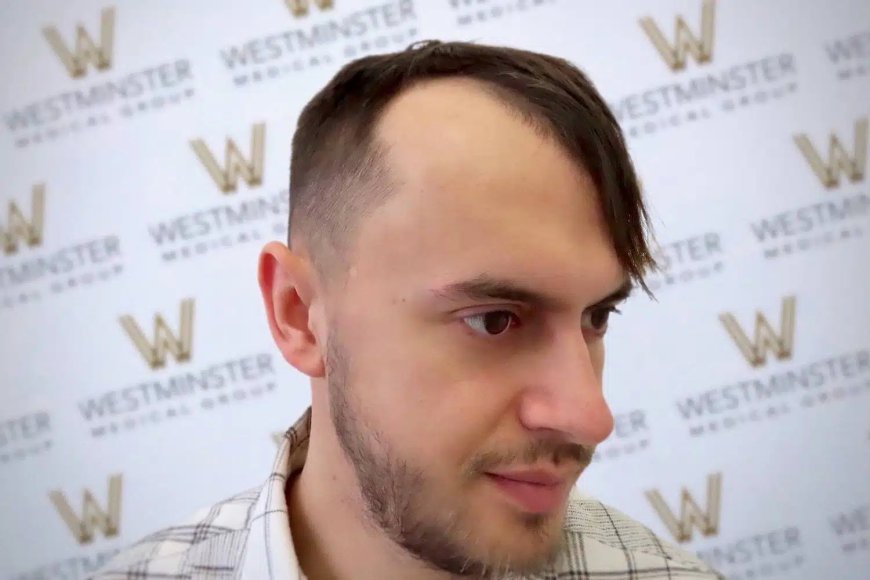
Hair loss can be an emotional and confidence-related challenge for many people, and it often leads individuals to explore long-term restoration solutions. One of the most searched treatments in the UK is hair transplant london, yet despite its popularity, there is still a lot of confusion surrounding what the procedure actually involves. Misleading information, outdated assumptions, and word-of-mouth myths often prevent people from making informed choices.
At Westminster Medical Group, a specialist hair restoration clinic based in London’s Harley Street medical district, patients frequently arrive with concerns shaped by misconceptions rather than medical facts. This article addresses the most common myths and explains what modern hair restoration truly offers.
Myth 1: Hair Transplants Look Unnatural
One of the most persistent myths is that hair transplants create an artificial or “pluggy” appearance. This belief comes from outdated techniques used decades ago, where grafts were larger and placement was less precise.
Modern procedures used in hair transplant london clinics today are very different. Techniques such as Follicular Unit Extraction (FUE) and Follicular Unit Transplantation (FUT) allow surgeons to transplant individual follicular units, replicating natural hair growth patterns. The focus is on density, angle, and direction so that transplanted hair blends seamlessly with existing hair.
In well-planned treatments, the results are designed to be indistinguishable from natural growth. The artistry involved in hairline design and graft placement ensures that even close observation does not reveal that a procedure has been performed. Patients often find that friends and colleagues notice an improvement in appearance without identifying the cause.
At clinics like Westminster Medical Group, careful mapping of the donor and recipient areas ensures balance and natural distribution, which further reduces any risk of an artificial look.
Myth 2: The Procedure Is Extremely Painful
Another common misconception is that hair transplantation is a highly painful experience. This belief often discourages people from seeking consultations, even when they are good candidates for treatment.
In reality, modern hair transplant london procedures are performed under local anaesthesia, which numbs the scalp completely during the process. Patients typically report feeling pressure or minor movement rather than pain. The technology used today is far more refined, reducing tissue trauma and improving comfort levels.
After the procedure, some mild tenderness or tightness in the donor and recipient areas is normal, but this is usually manageable with standard aftercare advice and prescribed medication if needed. Most individuals return to light daily activities within a short period.
The experience is generally described as far less uncomfortable than expected. The evolution of surgical tools and techniques has significantly improved patient comfort compared to earlier generations of hair restoration methods.
Myth 3: Results Are Immediate
A major misunderstanding among many people considering hair transplant london procedures is the expectation of instant results. While the procedure physically relocates healthy hair follicles, the growth cycle of hair takes time to progress naturally.
After the transplant, the newly implanted hairs typically go through a shedding phase. This is a normal part of the process and does not indicate failure. The follicles remain in place beneath the scalp and gradually begin producing new hair growth over the following months.
Visible improvement usually begins within a few months, but full results can take up to a year or more to fully develop. This gradual progression is important because it ensures that new hair grows in synchrony with natural cycles, creating a realistic and lasting appearance.
Clinics like Westminster Medical Group emphasise the importance of patient education during consultations so individuals understand the timeline and manage expectations effectively. A successful outcome depends not just on surgery, but also on patience during the regrowth phase.
Myth 4: Hair Transplants Are Only for Men
A widespread belief is that hair restoration procedures are exclusively for men experiencing male pattern baldness. While it is true that a significant proportion of patients are male, this assumption is outdated.
In modern hair transplant london practice, women also undergo hair restoration for various conditions such as female pattern thinning, traction alopecia, or hair loss caused by medical or hormonal factors. The approach for female patients is often more nuanced, focusing on maintaining existing density while improving volume and coverage.
Eyebrow and beard restoration procedures have also expanded the scope of treatment beyond scalp hair alone. This reflects a broader understanding of aesthetic balance and personal identity in hair restoration medicine.
Each treatment plan is tailored individually, ensuring suitability regardless of gender. The key determining factors are donor hair quality, pattern of hair loss, and long-term goals rather than gender alone.
Understanding Modern Hair Restoration Approaches
Beyond these myths, it is important to understand how advanced techniques have transformed the field. Today’s hair transplant london procedures are based on precision, customization, and long-term planning.
FUE techniques involve extracting individual follicles from a donor area and implanting them in thinning regions. FUT, on the other hand, involves removing a strip of hair-bearing scalp and dissecting it into grafts for transplantation. Both methods have their advantages depending on the patient’s condition and desired outcome.
Clinics such as Westminster Medical Group focus heavily on consultation and planning before any procedure is recommended. This includes evaluating hair loss progression, donor area stability, and realistic expectations for density and coverage. Aftercare is also a crucial part of the process, ensuring optimal healing and growth.
The Importance of Realistic Expectations
One of the most important aspects of any hair restoration journey is understanding what can realistically be achieved. A successful hair transplant london outcome is not about achieving unnatural density overnight but about restoring a natural-looking frame that complements facial features.
Patients who fully understand the process tend to experience higher satisfaction because they are prepared for the gradual nature of results. The combination of surgical skill, planning, and post-procedure care all contribute to long-term success.
Conclusion: Clearing Confusion to Help Patients Make Informed Decisions
Misconceptions about hair restoration often prevent people from exploring solutions that could significantly improve their confidence and appearance. By addressing these myths, it becomes clear that modern hair transplant london procedures are far more advanced, comfortable, and natural-looking than many assume.
Understanding the realities of pain levels, result timelines, suitability for both men and women, and the natural appearance of outcomes allows individuals to make more informed decisions. With experienced medical teams, personalised planning, and advanced techniques, hair restoration today offers a reliable pathway for those dealing with hair loss.
Clearing confusion is the first step toward making the right choice, and accurate information plays a crucial role in helping patients move forward with confidence.