Open-Concept Kitchen Renovation Ideas
Explore practical open-concept kitchen renovation ideas that improve space, flow, and functionality with smart layout, lighting, and storage solutions.
 homeleaderrenovation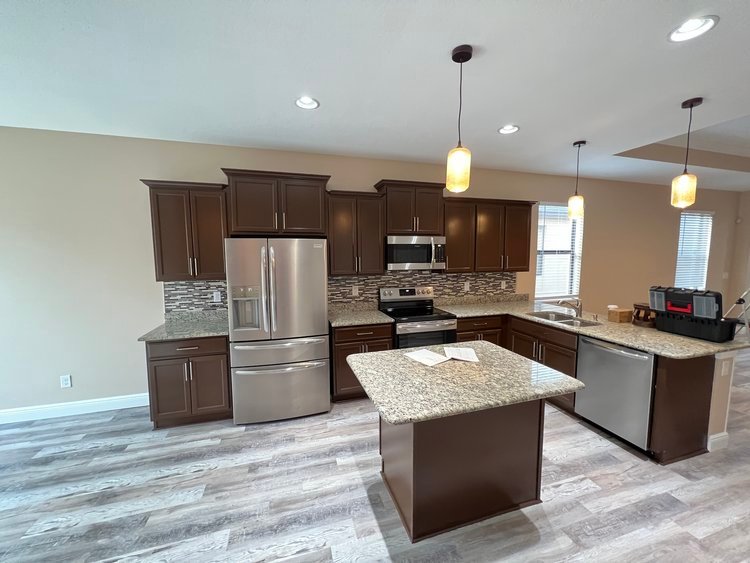
Why Open-Concept Layouts Appeal to Homeowners
At a glance, the benefits are easy to understand.
Open kitchens:
- Improve natural light flow
- Create better interaction between spaces
- Make smaller homes feel larger
- Allow more flexibility in furniture placement
For families or those who entertain often, the ability to cook while staying connected with others is a major advantage.
That said, openness comes with trade-offs, and it’s important to plan for them early.
Start with Structural Awareness
Before removing any walls, it’s critical to understand what those walls do.
Some walls are purely cosmetic, while others are load-bearing and require structural support if removed. This isn’t an area for guesswork.
A practical observation: homeowners sometimes assume all walls can be removed easily. In reality, structural changes often require beams or reinforcements, which can influence both design and budget.
Working with professionals early in the planning phase helps avoid surprises and ensures the space remains safe and functional.
Define Zones Without Closing the Space
One of the biggest challenges in open-concept design is maintaining a sense of structure.
Without clear boundaries, the space can feel undefined or chaotic.
Ways to Create Subtle Separation
- Use kitchen islands as visual anchors
- Incorporate different flooring materials or patterns
- Add area rugs in living spaces
- Use lighting to distinguish zones
These techniques help define areas without reintroducing walls.
An insider tip: ceiling treatments—like subtle changes in height or beams—can also create visual separation without affecting openness.
The Role of the Kitchen Island
In open-concept layouts, the island often becomes the centerpiece.
Functions of a Well-Designed Island
- Prep space
- Casual dining
- Storage
- Visual divider between kitchen and living areas
Size and placement matter. An island that’s too large can disrupt movement, while one that’s too small may not serve its purpose effectively.
I’ve seen kitchens where adjusting the island by just a few inches improved the entire flow of the space.
Consistency in Materials and Colors
Since everything is visible in an open layout, consistency becomes more important.
What to Keep Cohesive
- Flooring across connected spaces
- Cabinet and furniture color palettes
- Finishes like metals and hardware
This doesn’t mean everything has to match exactly, but there should be a sense of harmony.
As explained in this guide on kitchen renovation plant city thoughtful material selection helps create a unified look while maintaining functionality.
Managing Noise and Odors
One downside of open-concept kitchens is that sound and smells travel more freely.
Practical Solutions
- Invest in a high-quality range hood
- Choose quieter appliances
- Use soft materials like rugs and upholstery to absorb sound
These small considerations can make a big difference in everyday comfort.
A personal observation: many homeowners focus on visual design but overlook acoustics. It becomes noticeable once the space is in daily use.
Storage Becomes More Important
In an open kitchen, everything is on display. That means clutter is more visible.
Smart Storage Strategies
- Use closed cabinetry for most storage
- Incorporate hidden compartments
- Keep countertops as clear as possible
Open shelving can work, but it requires discipline to maintain a clean look.
An insider tip: dedicate a section of cabinetry specifically for quick cleanup. Being able to store items quickly helps maintain the overall appearance of the space.
Lighting for a Unified Feel
Lighting plays a crucial role in tying an open-concept space together.
Layered Lighting Approach
- Ambient lighting for overall illumination
- Task lighting for kitchen work areas
- Accent lighting for visual interest
Pendant lights over the island can act as both functional and decorative elements, helping define the kitchen area within the larger space.
Flooring Choices That Support Flow
Flooring is one of the most noticeable elements in an open-concept design.
Best Practices
- Use consistent flooring throughout connected areas
- Choose durable materials that handle high traffic
- Avoid abrupt transitions unless intentionally designed
Continuous flooring helps create a seamless look, making the entire space feel larger and more cohesive.
Balancing Openness with Practicality
While open-concept designs are popular, they’re not always ideal for every household.
Consider your lifestyle:
- Do you need quiet, separate spaces?
- How often do you cook, and how messy does it get?
- Do you prefer defined rooms or flexible layouts?
I’ve worked with homeowners who loved the idea of openness but later missed the privacy of separate rooms. In some cases, partial dividers or sliding panels provided a good compromise.
Real-Life Example
In one project, a homeowner wanted to fully open up their kitchen to the living area. After discussing their daily routine, we decided to keep a partial wall and add a large island instead.
The result maintained visual openness while providing a subtle boundary. It also created additional storage and seating.
Sometimes, the best solution isn’t removing everything—it’s finding the right balance.
Avoiding Common Pitfalls
Open-concept renovations can go wrong when certain details are overlooked.
Common Issues
- Poor layout planning
- Lack of storage
- Inconsistent design elements
- Ignoring noise and ventilation
Taking the time to plan these aspects carefully helps prevent costly adjustments later.
Final Thoughts
Open-concept kitchen renovations can dramatically improve how a home feels and functions. They create connection, increase light, and offer flexibility in how spaces are used.
But success lies in the details. Thoughtful layout, consistent materials, smart storage, and attention to everyday practicality all play a role.
Also read for more information so click here.