

Restaurant Window Cleaning: Creating a Simple Window Cleaning Maintenance Plan
Over time, restaurant windows can collect fingerprints, dust, grease, pollen, rain spots, and other marks.

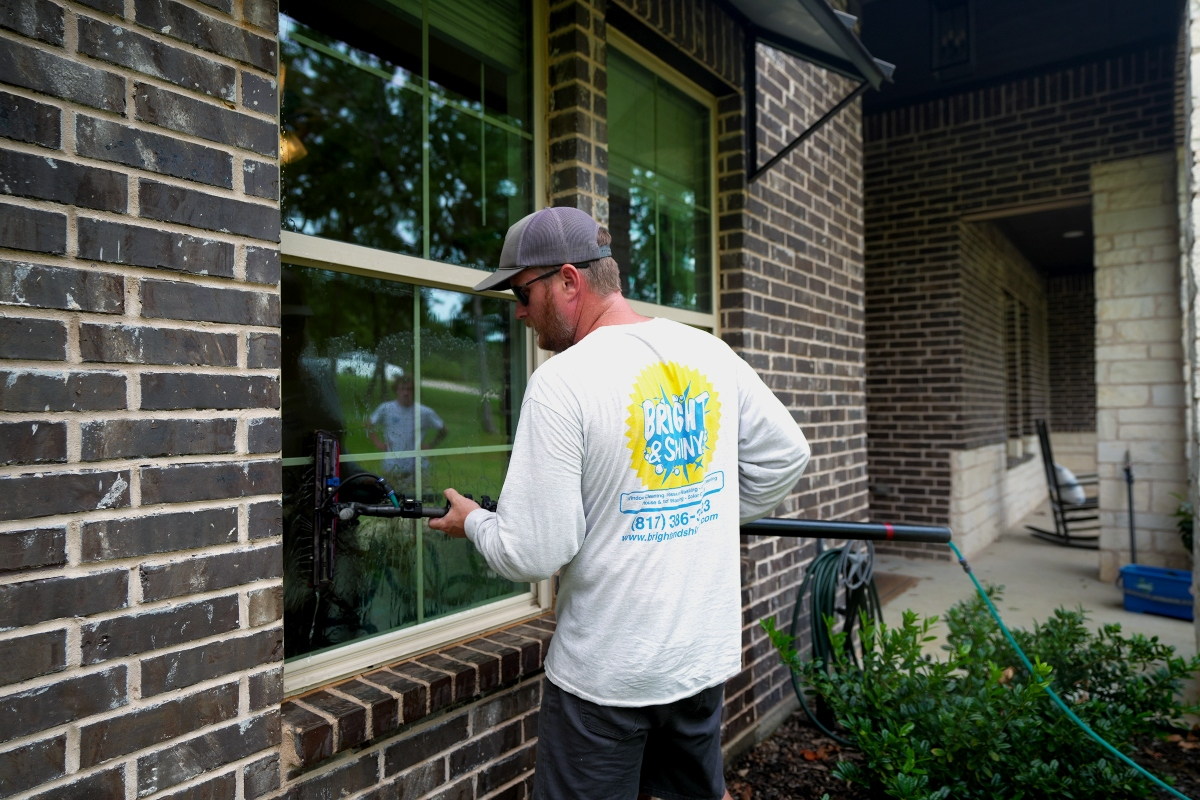
A restaurant's appearance can say a lot before a customer even places an order. Clean tables, organized dining areas, fresh floors, and clear windows all help create a welcoming space. Windows are particularly noticeable because they are often large, highly visible, and located near entrances or dining areas.
Over time, restaurant windows can collect fingerprints, dust, grease, pollen, rain spots, and other marks. Exterior glass is exposed to changing weather, while interior glass can become dirty from daily customer and employee activity. Without regular attention, even a well maintained restaurant can start to look less polished.
This is where a consistent approach to restaurant window cleaning can make a difference. Instead of waiting until the glass looks heavily soiled, restaurant owners and managers can create a window cleaning maintenance plan that keeps cleaning tasks organized and manageable.
Why Clean Windows Matter in a Restaurant
Windows contribute to the overall appearance of a restaurant. Large glass surfaces can make a dining area feel open and allow natural light to enter the space. Clean glass also makes outdoor views easier to enjoy.
When windows become covered with dirt or streaks, the appearance of the entire property can be affected. Customers may notice fingerprints on doors, cloudy storefront windows, or water spots on exterior glass.
Keeping windows clean does not replace important restaurant cleaning and food safety practices. Instead, it supports the general appearance and care of the property.
First Impressions Start Before Customers Enter
For many restaurants, the storefront is the first part of the business a customer sees. Windows and glass doors are a major part of that storefront.
A clean entrance can create a more inviting appearance. Customers can clearly see the interior, displays, seating areas, and lighting through clean glass.
On the other hand, visible smudges and fingerprints can make the entrance appear less cared for. Regular cleaning can help maintain a consistent appearance throughout the day.
What Makes Restaurant Windows Dirty?
Restaurant windows are exposed to many sources of dirt. The level of buildup depends on the location of the property, customer traffic, weather, nearby roads, landscaping, and restaurant operations.
Common causes of dirty glass include:
- Fingerprints from customers and employees
- Dust and pollen from outdoor surroundings
- Rainwater and mineral deposits
- Grease and airborne residue
- Road dust and traffic particles
- Food related residue
- Smudges from incorrect cleaning
- Outdoor debris and bird droppings
Understanding the causes of buildup can help managers decide which windows need frequent attention and which can follow a less frequent schedule.
What Is a Window Cleaning Maintenance Plan?
A window cleaning maintenance plan is a simple schedule that explains when different glass surfaces should be inspected and cleaned.
It can include storefront windows, entrance doors, dining room glass, interior partitions, and other glass surfaces. The plan can also identify which areas need daily touchups and which require professional cleaning at regular intervals.
The most important part is consistency. A maintenance plan helps prevent window cleaning from becoming an occasional task that is only remembered when the glass becomes noticeably dirty.
How to Build a Practical Cleaning Schedule
Inspect the Entire Restaurant
The first step is to identify all glass surfaces that need attention. Walk around the property and inspect windows from both sides whenever possible.
Check the main entrance, storefront, dining area, service areas, interior glass, and other visible surfaces.
Pay attention to how quickly dirt appears on each surface. This will help you determine which areas should receive more frequent attention.
Identify High Priority Areas
Some windows have a greater effect on the restaurant's appearance than others.
Storefront windows should usually be considered a high priority because they are visible to people outside the property. Entrance doors are also important because they receive frequent contact.
Large dining room windows can also deserve additional attention when customers sit close to the glass.
Consider Customer Traffic
The amount of customer traffic can affect cleaning frequency. A busy restaurant may have constant activity around entrance doors and other high contact glass surfaces.
Fingerprints and smudges can appear quickly when many people use the same doors throughout the day.
A restaurant with lower traffic may not need the same cleaning frequency. The best schedule should be based on how quickly the glass actually becomes dirty.
Managers can inspect the windows regularly and adjust the schedule if the current routine is not keeping up.
Include Quick Daily Touchups
A full window cleaning does not need to happen every day. However, quick touchups can help keep frequently touched surfaces presentable.
Employees can check entrance doors and other high contact glass during normal cleaning routines. Small marks can often be removed before they become more noticeable.
These touchups are useful between professional cleaning appointments. They should not be considered a replacement for deeper cleaning when the entire glass surface needs attention.
Plan Professional Window Cleaning
Professional window cleaning can provide more thorough care for interior and exterior glass.
The appropriate frequency depends on the restaurant's location and conditions. A property near a busy road may collect exterior dirt faster than a restaurant in a quiet area. A restaurant with large glass doors may also need more frequent attention because of customer contact.
Rather than choosing a schedule based only on a general recommendation, managers should consider the actual condition of the windows.
Schedule Cleaning Around Business Hours
Restaurant operations can make scheduling important. Cleaning during busy meal periods may interfere with customers, employees, and normal business activities.
Whenever possible, professional cleaning can be arranged before opening, after closing, or during quieter periods.
Managers should also consider deliveries, special events, outdoor seating, and other activities when selecting a service time.
A predictable schedule can make it easier for employees and cleaning professionals to coordinate their work.
Give Exterior Windows Regular Attention
Exterior glass is exposed to the elements every day. Wind, rain, dust, pollen, and traffic can gradually leave residue on the surface.
Seasonal changes can also affect how quickly exterior windows become dirty. Certain times of the year may bring more pollen or dust, while rainy weather can leave water marks.
Restaurants near construction areas or busy streets may also experience faster buildup.
Including exterior inspections in the maintenance plan can help identify these changes early.
Keep Interior Glass Clean
Interior glass should receive attention as well. Windows, partitions, and glass doors can collect fingerprints, dust, food residue, and streaks.
Interior glass is particularly noticeable when customers sit close to it. Even small marks may be visible under strong indoor or natural lighting.
Entrance doors should also be checked regularly because they are among the most frequently touched glass surfaces in a restaurant.
Use Suitable Cleaning Methods
Different glass surfaces may require different cleaning approaches. Products and tools should be suitable for the glass being cleaned.
Using rough materials or unsuitable products may scratch certain surfaces or leave residue behind. Applying too much cleaning solution can also make streaks more likely.
Careful cleaning helps protect the appearance of the glass. When windows have stubborn deposits or difficult buildup, professional cleaners can assess the surface and determine an appropriate cleaning method.
Safety Should Be Part of the Plan
Safety is an important part of any commercial cleaning routine. Wet floors, ladders, cords, equipment, and customer movement can create risks when cleaning is not properly organized.
The work area should be managed so employees and customers can move safely. Warning signs can be useful when floors are wet.
Windows that are high or difficult to reach may require suitable equipment and trained professionals. Restaurant employees should not be expected to take unnecessary risks simply to clean a difficult window.
When Should the Cleaning Schedule Change?
A maintenance schedule should be flexible. Conditions can change because of seasonal weather, renovations, nearby construction, increased customer traffic, or changes in restaurant operations.
Managers should watch for signs that the existing schedule is no longer sufficient.
- Windows become visibly dirty before scheduled service
- Entrance doors collect fingerprints very quickly
- Exterior glass develops frequent water spots
- Streaks remain after routine cleaning
- Employees spend too much time cleaning windows
- Certain glass surfaces repeatedly look dirtier than others
- Seasonal conditions cause faster buildup
If these problems occur regularly, increasing cleaning frequency for specific areas may be appropriate.
Keep Simple Cleaning Records
A basic record can make the maintenance process easier. Managers can record when professional cleaning was completed, which areas were cleaned, and whether any recurring issues were found.
These records can become useful over time. They may show that certain windows require additional attention during particular seasons or that entrance doors need frequent touchups.
This information allows managers to make decisions based on the property's actual needs.
Review the Plan Throughout the Year
A window cleaning maintenance plan should be reviewed regularly rather than treated as a permanent schedule.
Restaurant conditions can change throughout the year. Weather, customer traffic, nearby construction, landscaping, and changes to operating hours can all affect how quickly windows become dirty.
A quick inspection can help determine whether the current schedule continues to work. If glass consistently looks clean between professional visits, the schedule may be appropriate. If it becomes dirty much earlier, adjustments may be necessary.
Make Window Care Part of Overall Property Maintenance
Window cleaning works best when it is included in the restaurant's wider property maintenance routine.
Clean windows can complement clean entrances, floors, walls, dining areas, and outdoor spaces. When these areas are maintained consistently, the entire restaurant can present a more organized appearance.
The goal is not to create a complicated system. A simple schedule that staff and cleaning professionals can follow consistently is usually more practical.
Final Thoughts
Restaurant window cleaning is an important part of maintaining a clean and welcoming business environment. Clear glass can improve the appearance of storefronts, entrance doors, dining areas, and other customer facing spaces.
A well organized window cleaning maintenance plan makes it easier to identify priority areas, schedule professional service, manage daily touchups, and respond to changing conditions. Regular inspections can also help restaurant managers avoid waiting until windows become heavily dirty before taking action.
For restaurants that want dependable professional assistance with maintaining clean and attractive glass, Bright And Shiny can provide window cleaning services designed to support the ongoing maintenance needs of commercial properties.










Comments (0)