The Importance of Choosing the Right Construction Team
 metaminds
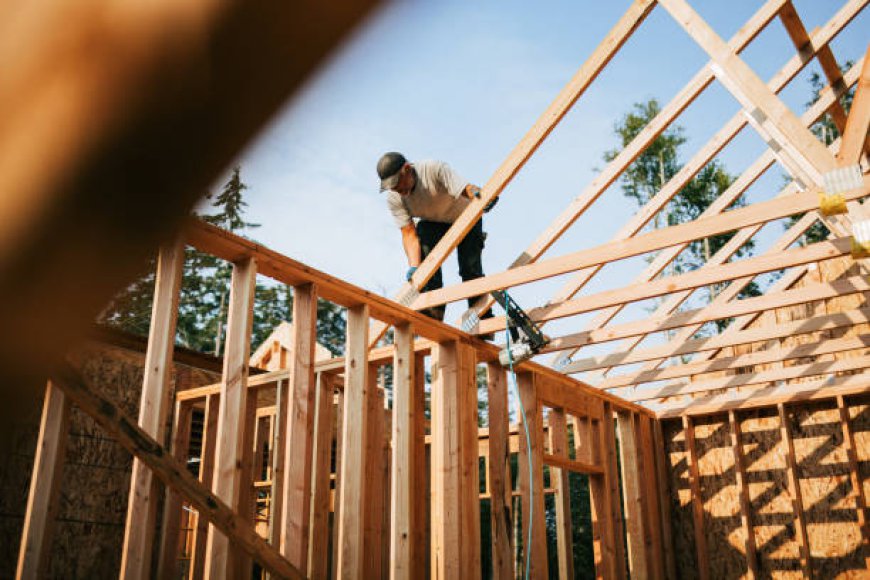
You can have a solid idea, a decent budget, even a good location—and still end up with a mess. That’s the part people don’t like hearing. The truth is, projects don’t fail on paper, they fail on execution. And execution comes down to people. In the middle of any Santa Rosa construction project, what really decides the outcome isn’t just materials or permits, it’s the crew handling them. A strong team keeps things moving, solves problems before they grow teeth, and doesn’t disappear when things get tricky. A weak one… well, you’ll feel it fast. Delays, miscommunication, weird costs popping up out of nowhere.
Experience Isn’t Just a Buzzword, It Shows Up Daily
You can spot an experienced construction team pretty quickly. It’s not always about how fancy their portfolio looks either. It’s how they talk through a problem. How they react when something unexpected hits (and it will). A seasoned contractor doesn’t panic or give you vague answers. They’ve seen stuff. Pipes where they shouldn’t be, soil issues, design conflicts, all of it. And instead of stalling, they adjust. That matters more than most people think. Because construction is rarely a straight line, it’s more like controlled chaos, and you want someone who knows how to stay steady in that.
Communication: The Thing Everyone Says Matters (Because It Does)
This one sounds obvious, but still gets ignored. Good communication is the difference between a smooth project and constant frustration. You don’t need daily long meetings, nobody wants that. But you do need updates that make sense. Clear timelines. Honest answers. If something’s off, just say it. A solid construction team doesn’t dodge calls or hide behind technical jargon. They explain things in plain terms. Even the uncomfortable stuff. Especially that. And honestly, if communication feels off early on, it usually doesn’t get better later.
The Right Team Helps You Avoid Costly Mistakes
Mistakes in construction aren’t small. They cost time, money, and sometimes a full redo. Choosing the right team helps you avoid most of that upfront. They catch design flaws before building starts. They question things that don’t look right. Not in an annoying way, but in a “let’s not regret this later” way. A good crew is proactive. They don’t just follow plans blindly—they think through them. That mindset alone can save you a ridiculous amount of stress (and cash).
Licensing, Insurance, and All the Not-So-Exciting Stuff
Yeah, this part isn’t exciting. But it’s non-negotiable. Proper licensing, valid insurance, permits handled correctly—this is the baseline. Not a bonus. If a team cuts corners here, they’ll cut corners elsewhere too. It’s kind of a pattern. And when something goes wrong, and it can, you don’t want to be stuck dealing with legal or financial fallout because someone skipped the basics. A reliable construction team doesn’t hesitate to show credentials. They expect you to ask.
Team Chemistry Matters More Than You Think
This one’s a bit underrated. You’re going to be working with these people for weeks, sometimes months. Maybe longer. If the vibe is off, it wears on you. Fast. You don’t need to be best friends, but there should be mutual respect. A sense that they actually care about the project, not just finishing and moving on. When there’s good chemistry, things flow better. Decisions get made quicker. Problems don’t turn into arguments. It just… works.
Subcontractors and Network Strength
A construction team is rarely just one group. There are electricians, plumbers, framers, specialists coming in and out. The quality of those people matters just as much. A well-connected contractor brings in reliable subcontractors they trust. Not random hires to save a few bucks. That consistency shows in the final result. Everything fits better, timelines are tighter, fewer surprises. When teams already know how to work together, it cuts down a lot of friction behind the scenes.
Transparency with Budget and Timeline
No one expects construction to be perfectly on budget or exactly on schedule. That’s just not realistic. But there’s a difference between minor adjustments and total chaos. The right team gives you a realistic picture from the start. Not a lowball estimate just to win the job. They build in buffers. They explain where costs might shift. And when something changes, they tell you right away. Not three weeks later when it’s too late to adjust anything. That kind of transparency builds trust, and trust is kind of everything here.
Where It Really Hits Home for Homeowners
For most people, this isn’t just a project, it’s their space. Their home. And when you’re dealing with home remodeling, the stakes feel even higher. You’re not starting from scratch, you’re changing something personal. That’s why the right construction team matters even more here. They respect the space. They understand that small details aren’t actually small to you. And they work in a way that doesn’t make your life miserable while the job is happening. Or at least, not more than it already is, because let’s be honest, construction is always a bit disruptive.
Reputation Tells a Story—Pay Attention to It
Online reviews, word of mouth, past client feedback—it all adds up. No team is perfect, sure. But patterns show. If multiple people mention missed deadlines or poor communication, that’s not random. Same goes for positive things. Consistent praise about reliability or quality usually means something real. Take the time to look into it. It’s not just background info, it’s a preview of what you might deal with.
Conclusion: Choose Carefully, It’s Worth It
At the end of the day, picking a construction team isn’t just another step in the process—it is the process. Everything else builds off that decision. A good team makes things smoother, faster, and honestly, less stressful. A bad one… drags everything down with it. So don’t rush it. Ask questions. Pay attention to how they work, not just what they promise. Because once the project starts, you’re kind of in it with them. And it’s a lot easier to start with the right people than to fix things after they go wrong.