Tips for Family Dining to be Relaxed Meals for Young Children
Make family meals more enjoyable with helpful tips for dining to parents of children in the early years. Find simple methods to ensure a calmer family dining and a more relaxing experience.
 julialubey
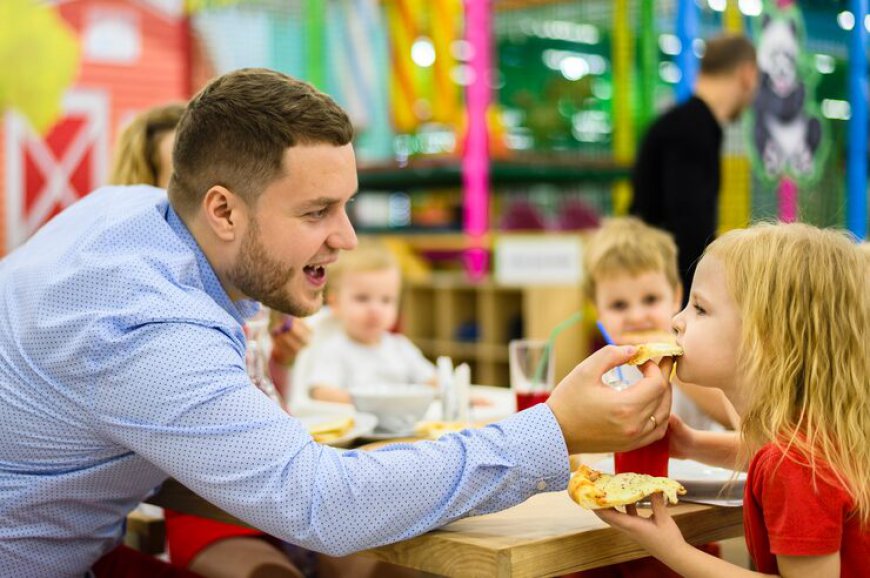
Stress-Free Meals with Young Children
An unassuming restaurant could turn loud in a matter of seconds as a child decides that the spoon should be on the ground instead of the table. Parents are familiar with that sensation. In one moment, all seems to be in order. Next thing you know, one person wants ketchup, one person is asking to leave and then the smallest has refused the food they had begged to eat for just five minutes. The family dining experience is rarely a rules.
Selecting the right kid-friendly restaurant is certainly beneficial, however the restaurant's location is just one aspect of the issue. Most of the time, the difference comes in the preparation, timing and the ability to set realistic goals. A perfect behavior doesn't have to be the aim. Relaxed dining where everyone is content usually can be considered to be a victory.
Timing Often Matters More Than the Menu
Children are accustomed to routines regardless of whether parents like it or they do. The meals that are planned too in the hours before nap time or later in the evening, often cause frustration prior to the food arrives.
Have you noticed that small issues quickly become huge as a child gets tired? This isn't a matter of imagination. The fatigue can affect all those around.
An earlier lunch or earlier dinner can result in a peaceful atmosphere. Restaurants tend to be less crowded also, meaning shorter waiting times and less interruptions. A small benefit. Big impact.
Prepare Before Walking Through the Door
A lot of stressful dining experiences begin even before people sit down.
An informal conversation on the ride can help make clear expectations. A few simple reminders regarding the need to be indoors, to sit while waiting for food can give kids an idea of what's coming next.
It's not every child who listens at first. That's normal.
The idea of packing a few things you already have is also helpful. Coloring books, sticker pads, or smaller puzzles can be a great way to make up for those inevitable wait times. Electronics can be a great option for families with children however quieter games often allow for more conversations around the dining table.
Keep Ordering Simple
A large number of menus could overwhelm adults. Imagine viewing them through eyes of a 4-year-old.
Two choices rather than twenty is usually better. Does grilled chicken or pasta seem more appealing this moment? This is a decision that feels more manageable.
Making an order for snacks or fruit right away could also help reduce the amount of frustration. In a wait for twenty minutes, there is nothing to eat feels longer for a child more than for adult.
Sometimes, the most simple solutions are the most effective.
Accept That Children Learn Through Practice
The manners of dining aren't automatically developed. They are developed over time.
Every meal that is outside of the house is a lesson about sharing conversation, waiting for a while, speaking politely as well as respecting the shared space. Certain outings are smooth. Other trips become tales to be told afterwards with a smile.
It is rare for progress to occur in an unidirectional line.
People who remain calm in stressful times often have more long-term benefits than parents who are who are focused on achieving getting it right. Children often mirror their emotions more often than they do spoken commands.
Strange, yet real.

Choose Seating That Works for Everyone
Placement of tables can quietly influence the whole impression.
Booths are often helpful to energetic toddlers by restricting easy escape pathways. Tables with corners provide more space to breathe. Being away from bustling entrances or kitchen doors can cut down on the constant distractions that could keep young minds from being distracted.
They sound like minor details until you ignore them.
Comfort encourages cooperation.
Let Children Participate
The kids love feeling more involved than just being controlled.
Inviting children to choose the side dish to serve and pour the water and choose between healthy choices creates an awareness of their responsibility. It builds confidence. those who are confident tend to be more relaxed eaters.
It's not always the case. However, often enough that you notice.
The simple act of thanking servers becomes an opportunity to learn instead of another directive.
Expect Imperfection and Adjust
The family dinner doesn't go exactly according to plan.
Drinks leak. People suddenly don't like fries even though they were having loved them before. The unexpected delays occur because the there is a lot of people in the restaurants, not because they were planned by anyone.
The flexibility of the world alters everything.
Families that adjust instead of trying to deal with every little inconvenience usually end up feeling more content. The food you eat doesn't need to be perfect to make a memorable experience.
Some of the most entertaining stories start with a little chaos.
Pick Restaurants That Welcome Families
The mood can be a factor prior to the arrival of the first dish.
Restaurants that offer menus for children with booster seats, fast service and friendly staff will naturally ease tension. Relaxing surroundings help families unwind rather than continually excuse their child's normal behaviors.
Balance is key.
Families who go for burgers in the Woodlands are often drawn to restaurants that offer quality meals in a the comfort of a child-friendly environment. The best meals can be enjoyed for children to enjoy when they feel part of the experience rather than being merely accomodated.
Small Habits Create Better Dining Memories
Family meals that are stress-free rarely occur on their own.
They are able to develop from careful plan, realistic expectations and lots of patience. As children grow older, they become confident in their dining experiences through regular exposure and not instant success.
A few times of a challenging trip don't necessarily mean that something has gone wrong. Actually, the reverse is true.
Sharing meals are among the easiest ways for families to create routines, friendships and create lasting memories. Food is important as well. However, many kids will recall the laughter that was shared around the table greater than the food on the plates.
FAQs
1. When is the ideal date to dine out when you have small children?
An early lunch or early dinner can be the most effective as children tend to be well-rested, and eateries are usually more secluded.
2. What do parents need to bring for their children to keep them entertained?
Coloring books, small toys and reusable stickers or simple games help kids stay entertained while they wait for their meals.
3. What can be the best way to teach restaurant manners? taught to toddlers?
Regular outings to practice Clear expectations, regular outings, and positive reinforcement, instead of looking for perfect behavior right away.
4. What are the characteristics that make the restaurant that is family-friendly?
Speedy service, menus for children as well as booster seats, large seating and a friendly staff make for a more enjoyable family dining family dining experience.