What Details Designers Focus on That Clients Often Miss
 julialubey
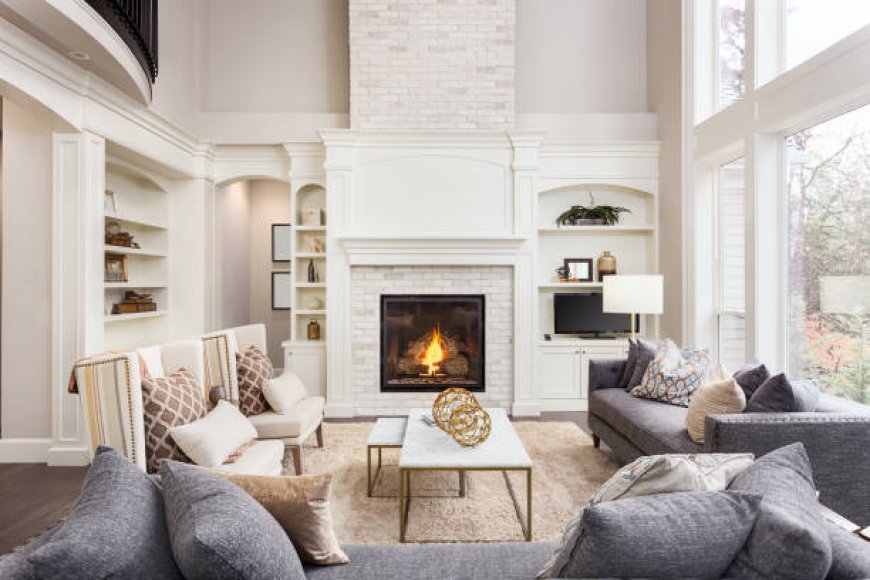
Most people walk into a space and notice the obvious stuff first. Sofa, wall color, maybe a nice light fixture if it’s hanging low enough. That’s normal. But that’s not really where the work is. The real design work sits in the background, in decisions you don’t actively see but still react to. And when you’re dealing with projects tied to Property Development Services in Las Vegas, those background decisions matter even more, because they directly affect how a place feels to a buyer, a renter, whoever’s walking in for the first time.
It’s Not One Big Thing, It’s a Stack of Small Ones
Clients sometimes expect a single moment. Like, “this piece will carry the room.” It rarely works that way. A space comes together from a bunch of smaller calls. Spacing between furniture. How far a rug sits under a sofa. Even where your eye lands when you enter the room. None of that is random. And yeah, it sounds a bit obsessive when you say it out loud, but miss a few of those details and suddenly the whole room feels… off. Not bad exactly. Just not right.
Scale and Proportion (Still the Biggest Miss)
This one trips people up all the time. Something looks great in a store, then feels completely wrong at home. Too big, too small, sometimes both at once somehow. Designers don’t just measure for fit, they measure for feel. Ceiling height changes everything. So does how wide a walkway is, or how close a coffee table sits to a sofa. You can’t always explain why something feels cramped or awkward, but scale is usually behind it.
Lighting Is More Than Picking a Fixture
A nice pendant light isn’t a lighting plan. That’s just one piece. Designers layer lighting without making a big show of it. Soft overhead light, something more focused for tasks, a bit of accent here and there. And the color temperature—people ignore that completely. Too cool and the room feels harsh. Too warm and it can look dull. Then there’s how light moves at different times of day. Morning light is different from evening light. Designers think about that. Most people don’t, until something feels weird later.
How Spaces Connect (Not Just the Rooms Themselves)
People design rooms like they exist in isolation. Kitchen here, living room there. Done. But when you actually walk through the space, those transitions matter more than expected. Flooring shifts, color changes, sightlines—they either flow or they don’t. That slight disconnect you feel walking from one area to another? Usually a transition issue. It’s subtle, but once you notice it, you can’t really unsee it.
Mixing Materials Without Making a Mess
A lot of clients play it safe. Same finish everywhere. Same tone repeated over and over. It works, kind of. But it also flattens the whole space. Designers mix things up, but not randomly. A bit of contrast—matte against gloss, warm tones next to cooler ones. The trick is knowing when to stop. Too much contrast and it feels chaotic. Too little and it feels like a showroom display that no one actually lives in.
Function Usually Gets Ignored (Until It’s Too Late)
This happens more than people admit. Someone picks a piece because it looks great, then realizes later it’s uncomfortable or impractical. That chair no one sits in. The storage that doesn’t really store anything useful. Designers start from the opposite direction. How do you actually use the space? Where do things pile up? Where do people walk? It’s not the glamorous part, but it’s what makes a space livable long term.
Empty Space Isn’t Wasted Space
There’s this urge to fill everything. Every corner, every wall. Clients worry that empty areas look unfinished. But too much stuff makes a room feel tight, even if it’s technically large. Designers leave space on purpose. It gives balance. Lets things breathe a bit. It also makes the pieces you do have stand out more, which is kind of the whole point anyway.
The Tiny Details People Skip Over
Hardware is a big one. Handles, knobs, trim edges—most people pick them quickly and move on. But they’re everywhere once installed. If they’re off, even slightly, it drags the whole look down. Same with grout color, or how cabinet lines align. These are small calls, yeah, but they build on each other. Enough small misses and the space starts to feel cheaper than it actually is.
Keeping Things Cohesive Without Overdoing It
Consistency matters, but repeating the exact same thing over and over gets boring fast. Clients sometimes lean too hard into matching everything. Designers keep a thread running through the space, but change things just enough to keep it interesting. It’s a bit of a judgment call every time. There’s no perfect formula for it, which is why it’s easy to get wrong.
Where a More Focused Design Approach Shows Up
This is usually where working with a Boutique Interior Design Firm in Las Vegas starts to make a difference. Smaller teams tend to spend more time on the details most people rush through. They adjust things. Then adjust them again. It’s not always efficient, but that’s kind of the point. The end result feels less copy-paste, more specific to the space. You notice it, even if you can’t explain why.
Conclusion
Most of these details aren’t obvious, and that’s exactly why they get missed. You don’t walk into a room and point out the spacing between furniture or the way lighting layers together. You just feel whether it works or not. That’s the gap designers fill. Not by making everything flashy, but by getting the quieter decisions right. And when those are handled properly, the whole space lands better. Simple as that.