

Best Eye Hospital in Delhi: Complete Guide to Choosing the Right Eye Care Centre
ICARE Eye Hospital is a leading Best Eye Hospital in Delhi, offering advanced eye care, cataract surgery, LASIK, glaucoma, retina, cornea, pediatric ophthalmology, and comprehensive vision treatment.
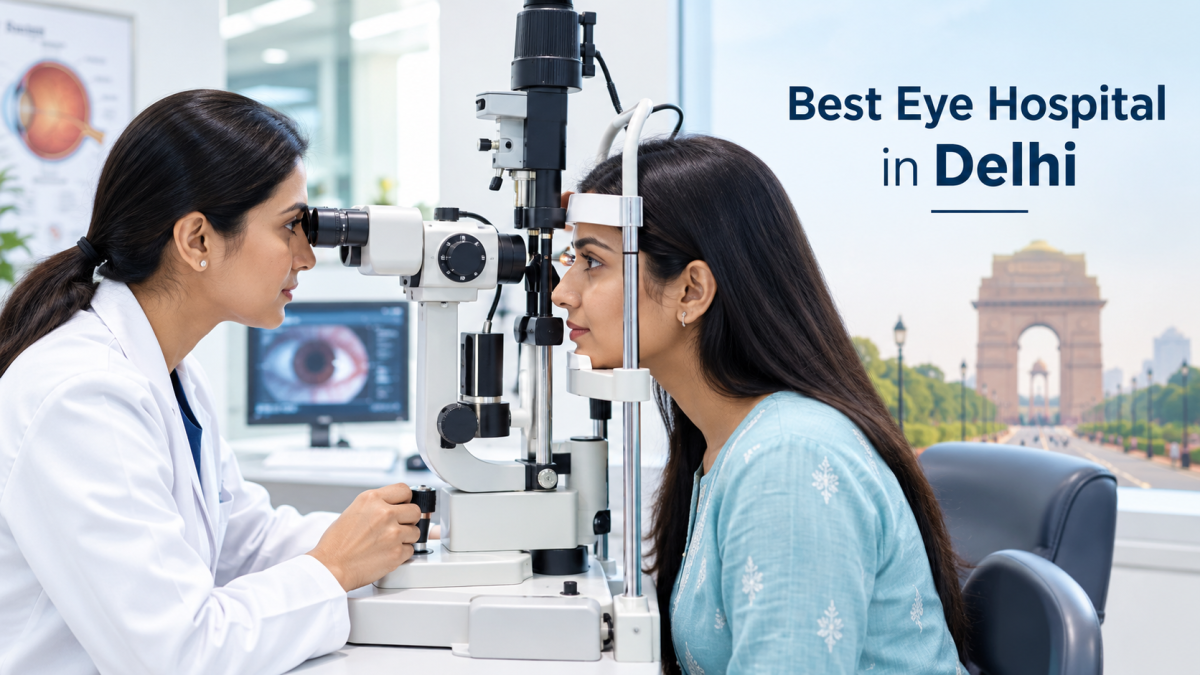
Choosing the Best Eye Hospital in Delhi is an important decision when you or your family needs treatment for cataract, glaucoma, cornea problems, retinal conditions, refractive errors, or other eye-related concerns. Good eye care is not limited to prescribing glasses or treating a single condition. A comprehensive eye hospital should provide accurate diagnosis, experienced specialists, advanced technology, appropriate treatment options, and proper follow-up care.
Delhi has several eye care centres offering different specialties and treatment facilities. Understanding what to look for can help patients make an informed decision based on their individual eye health needs.
What Makes a Hospital the Best Eye Hospital in Delhi?
The right eye hospital should offer comprehensive services rather than focusing on only one type of treatment. Patients may require different specialists depending on their condition.
A well-equipped eye care centre should ideally provide services for:
- Cataract and lens-related conditions
- LASIK and other vision correction procedures
- Glaucoma diagnosis and treatment
- Cornea-related problems
- Retina and vitreous conditions
- Pediatric ophthalmology and squint
- Neuro-ophthalmology
- Oculoplasty and eye-related cosmetic concerns
- Contact lens and low-vision services
- Emergency eye care
A multidisciplinary approach allows patients to receive appropriate evaluation and treatment under one healthcare system.
1. Check the Eye Specialists and Their Experience
One of the first things to consider when choosing an eye hospital is the availability of qualified ophthalmologists. Different eye conditions require different areas of expertise.
For example, a cataract patient may need a cataract and lens specialist, while someone experiencing diabetic eye complications may require a retina specialist. Similarly, patients considering LASIK or other refractive procedures should undergo evaluation by specialists experienced in refractive surgery.
At ICARE Eye Hospital, patients can access specialized eye care services covering several ophthalmic conditions and treatment requirements.
2. Look for Comprehensive Eye Care Services
A hospital offering multiple ophthalmic specialties can be useful for families with different eye care requirements. Instead of visiting separate centres for different conditions, patients can seek evaluation and treatment across various specialties.
Comprehensive eye care may include diagnosis and management of cataract, glaucoma, corneal disorders, retinal diseases, pediatric eye conditions, squint, neuro-ophthalmic disorders, and refractive errors.
This becomes particularly important when a patient has more than one eye-related condition or requires referral between specialties.
3. Advanced Diagnostic Technology Matters
Accurate diagnosis is an important part of successful eye care. Modern ophthalmology uses advanced diagnostic equipment to examine different structures and functions of the eye.
Depending on the patient's symptoms and condition, an ophthalmologist may recommend tests for the cornea, retina, optic nerve, eye pressure, visual field, or overall vision.
Before choosing an eye hospital, patients can ask whether the centre has appropriate diagnostic facilities for their specific condition.
4. Consider Cataract Treatment Options
Cataract is one of the most common causes of vision impairment, particularly among older adults. Symptoms may include blurred vision, difficulty seeing at night, glare around lights, faded colours, or frequent changes in spectacle power.
Cataract surgery involves removing the cloudy natural lens and replacing it with an artificial intraocular lens. Different types of lenses may be suitable for different patients.
The choice of lens and surgical approach should be based on an ophthalmic examination, lifestyle requirements, eye health, and the patient's individual needs rather than simply choosing a procedure based on advertising.
5. Ask About LASIK and Vision Correction
People who want to reduce dependence on spectacles or contact lenses may explore procedures such as LASIK and other refractive surgery options.
However, not everyone is a suitable candidate for every vision correction procedure. A detailed eye examination is necessary to assess factors such as corneal thickness, corneal shape, refractive error, tear-film condition, and overall eye health.
A specialist can explain whether a particular procedure is appropriate and discuss possible benefits, limitations, and alternatives.
6. Retina and Diabetic Eye Care
Retinal diseases can affect vision significantly and may require timely diagnosis and treatment. People with diabetes, sudden vision changes, flashes, floaters, or other retinal symptoms should not ignore these signs.
Diabetic retinopathy is one condition that may develop without noticeable symptoms in its early stages. Regular eye examinations can help identify changes before significant vision loss occurs.
A comprehensive eye hospital should have access to appropriate retinal evaluation and treatment facilities.
7. Pediatric Eye Care Is Also Important
Children may develop refractive errors, squint, lazy eye, eye allergies, or other visual problems. Some conditions are easier to manage when identified early.
Parents should pay attention to signs such as frequent eye rubbing, sitting too close to the television, difficulty reading, headaches after visual tasks, abnormal head positioning, or one eye turning inward or outward.
A pediatric ophthalmology service can evaluate children's visual development and recommend appropriate treatment when required.
8. Glaucoma Screening and Management
Glaucoma is often associated with damage to the optic nerve and can progress gradually. In some cases, patients may not notice significant symptoms until the disease has advanced.
Regular eye examinations can help assess eye pressure, optic nerve health, visual fields, and other relevant factors.
People with a family history of glaucoma, older adults, and individuals with certain risk factors may benefit from regular screening as advised by an eye specialist.
9. Don't Ignore Cornea and Neuro-Ophthalmology Problems
The cornea plays an important role in focusing light into the eye. Corneal infections, injuries, irregularities, and other disorders can affect vision and comfort.
Similarly, some vision problems may be related to the optic nerve or neurological pathways rather than the eye itself. Neuro-ophthalmology focuses on evaluating such conditions.
Choosing a hospital with access to multiple ophthalmic specialties can make evaluation more convenient when symptoms have complex or overlapping causes.
10. Choose a Hospital That Focuses on Patient-Centred Care
Technology and infrastructure are important, but communication is equally valuable. Patients should have the opportunity to understand their diagnosis, treatment options, expected recovery, follow-up requirements, and possible risks.
Before proceeding with any surgery or treatment, patients should discuss their concerns with the ophthalmologist and understand why a particular option has been recommended.
Why Consider ICARE Eye Hospital?
ICARE Eye Hospital provides comprehensive ophthalmic care across multiple specialties, helping patients access evaluation and treatment for different eye conditions. Its services include cataract care, cornea services, glaucoma, retina and uvea, pediatric ophthalmology and squint, oculoplasty, neuro-ophthalmology, refractive services, contact lens care, low-vision services, visual electrophysiology, vision therapy, and emergency eye care.
The hospital also provides advanced vision correction options, which may include procedures such as Femto LASIK, SILK, ICL and other refractive treatment options depending on patient suitability.
Patients should undergo a detailed examination before selecting any surgical or non-surgical treatment.
How to Choose the Right Eye Hospital in Delhi?
When comparing eye hospitals, consider these factors:
- Availability of qualified ophthalmologists
- Relevant specialty services
- Diagnostic facilities
- Surgical infrastructure
- Range of treatment options
- Emergency eye care availability
- Follow-up and post-treatment support
- Clear explanation of treatment options
- Patient-specific treatment planning
- Accessibility and convenience
The most suitable hospital can vary depending on the patient's age, symptoms, diagnosis, medical history, and required treatment.
Final Thoughts
Finding the Best Eye Hospital in Delhi starts with understanding your specific eye care requirements. Whether you need cataract treatment, LASIK evaluation, glaucoma management, retina care, corneal treatment, pediatric eye care, or another specialized service, a detailed eye examination should be the first step.
ICARE Eye Hospital offers comprehensive ophthalmic services across multiple specialties, helping patients seek appropriate evaluation and treatment under one roof. If you are experiencing changes in vision or have an existing eye condition, consult a qualified ophthalmologist for personalized advice and timely care.
ICARE Eye Hospital is a leading Best Eye Hospital in Delhi, offering advanced eye care, cataract surgery, LASIK, glaucoma, retina, cornea, pediatric ophthalmology, and comprehensive vision treatment.

![Glyco Mode Reviews [Price Update 2026] – Benefits, Ingredients & Key Features](https://postr.yruz.one/uploads/images/image_870x_647fc414aa697.png)







Comments (0)