

How Does a Basement Waterproofing Expert Find the Real Source of Water Problems?

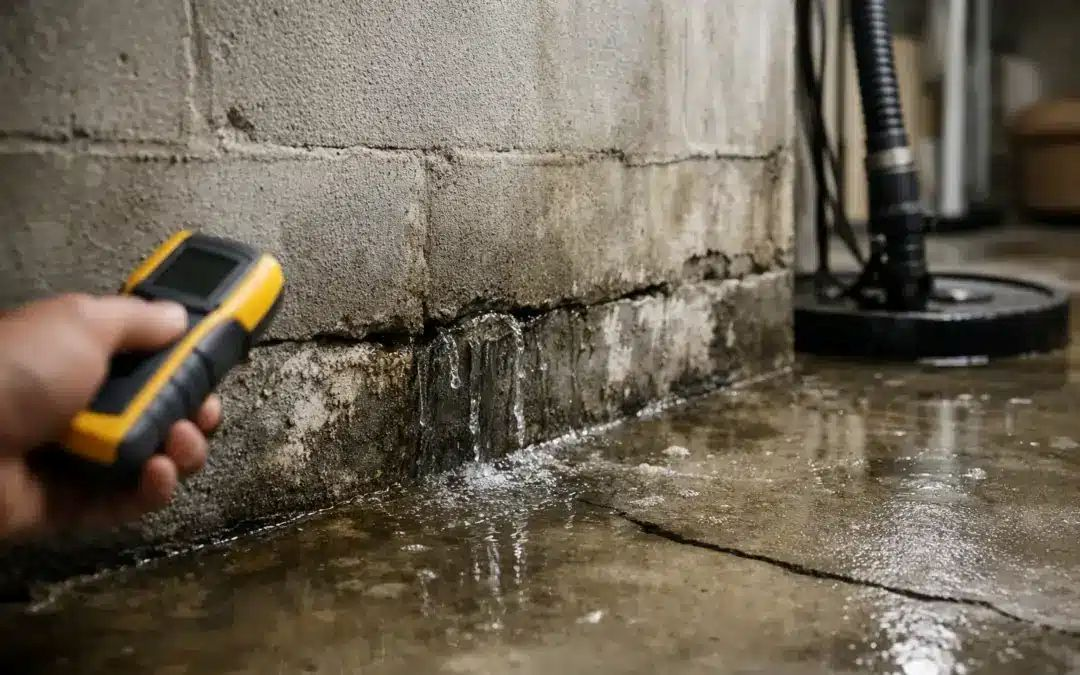
Could the water problem in your basement be coming from a place you cannot see? A wet basement is not always caused by one obvious leak. Water can enter through cracks, walls, floors, windows, drains, or poor drainage outside the home. Simply drying the floor may hide the problem for a short time, but the moisture can return. A basement waterproofing expert looks at the full picture to find where the water starts and why it is getting inside. Finding the real source first makes it easier to choose the right fix.
Why Is Finding the Source So Important?
Water stains can appear far away from the point where water first entered. For example, water may travel along a wall or floor before it collects in one spot.
This is why placing a patch over the visible area may not solve the problem. A proper inspection looks beyond the puddle or stain.
The goal is to understand the path of the water and the reason it is entering the basement in the first place.
What Does an Expert Check First?
An inspection usually starts with a close look at the basement and the areas around the home. The condition of walls, floors, windows, drains, and other possible entry points can provide useful clues.
The inspector may also ask when the water appears. Does it happen after heavy rain? Does it show up during snowmelt? Is it always there?
These details can help narrow down the source.
How Can Outside Drainage Cause Basement Water?
Sometimes the source is outside the basement. Water can collect near the foundation when soil slopes toward the house or when gutters and downspouts do not move rainwater far enough away.
The soil around the foundation can also become soaked after heavy rain. That water may put pressure against basement walls and find small openings. An expert checks these outside conditions because fixing the inside symptom alone may not stop the water from entering.
Can Foundation Cracks Let Water In?
Small foundation cracks can become entry points for water. Some cracks are linked to normal settling, while others may point to movement or other concerns.
An inspection looks at the size, location, shape, and condition of the crack. The surrounding wall and floor are also checked for other signs of moisture. This helps determine whether the crack needs sealing, repair, or further attention.
How Is the Water Pattern Used?
Water leaves clues. Stains, damp spots, peeling paint, white mineral marks, and mold-like growth can show where moisture has been present. Experts look at these patterns along with weather conditions and the layout of the basement.
Useful inspection clues may include:
-
Where the first damp spot appears.
-
How high the water mark reaches.
-
Whether moisture is on walls or floors.
-
Whether the problem changes after rain.
-
Whether nearby drains are working properly.
These clues help create a clearer picture of the problem.
Can Plumbing Be the Real Cause?
Not every basement water problem comes from outside. A leaking pipe, drain, water heater, sump system, or other plumbing component can also create moisture. The timing can provide a clue. If water appears even when it has not rained, an indoor plumbing issue may need to be checked.
This is why a complete inspection matters. Looking at only one possible cause can lead to the wrong repair.
Does a Sump Pump Matter?
A sump pump helps move collected groundwater away from the basement. If it fails, becomes blocked, or cannot keep up with incoming water, the basement may become wet. The sump pit, pump, discharge line, and backup setup can all be checked during an inspection.
A problem with the pump does not always mean the pump itself caused the water. It may be one part of a larger drainage issue.
How Is the Right Repair Chosen?
Once the source is clear, the repair can be matched to the problem. A small crack may need a different solution than groundwater pressure, poor grading, or a drainage issue.
A basement waterproofing expert may recommend sealing, drainage improvements, sump work, or other repairs based on what the inspection shows. The important point is that the solution should address the cause, not just cover the visible water.
Why Professional Inspection Can Save Time
Trying one quick fix after another can become frustrating and costly. You may seal one area only to see water appear somewhere else.
Professional basement waterproofing experts can look at the whole basement and outside drainage system together. This wider view can help identify the actual source before repair work begins. A clear diagnosis also makes it easier to plan the work and understand what the repair is meant to solve.
Conclusion
A wet basement is a sign that something needs attention, but the visible water is not always the true source. Water can travel through walls, floors, cracks, windows, and other paths before showing up in one area. A careful inspection looks for these clues and checks both the inside and outside of the home.
Finding the cause first is the key to choosing a lasting solution. Call a qualified waterproofing professional to inspect the problem, trace the water path, and address the source before the damage grows.









Comments (0)