

Can a Wool Mattress Overlay Crib Create More Comfort for Babies?

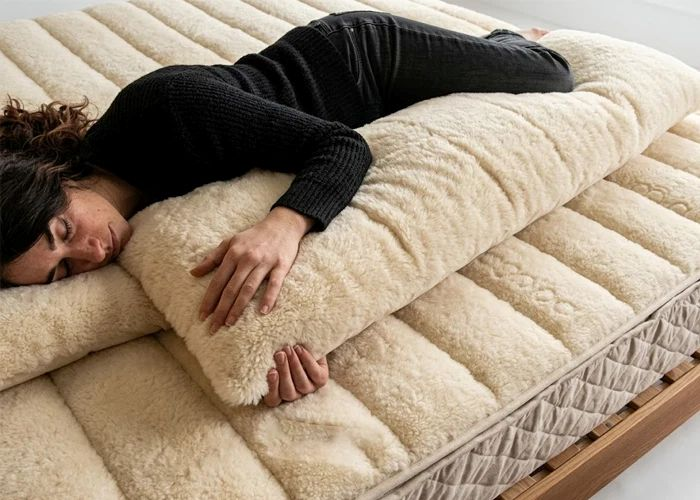
Creating a comfortable sleep space for your baby sounds simple, but every bedding choice deserves care. Parents often look for soft, natural materials that feel gentle and cozy. A wool mattress overlay crib may sound appealing for this reason. However, for babies, comfort should never come before safe sleep practices and an approved sleep surface.
Baby Comfort Starts With a Safe Sleep Surface
A baby’s sleep area should be simple, firm, and free from loose items that could create a safety risk. The mattress should fit the crib properly, with a fitted sheet designed for that specific mattress. Softness may feel inviting to an adult, but infants have different sleep needs.
That is why you should check the product’s intended use before placing any overlay, pad, or extra bedding in a crib. A product designed for adult beds is not automatically suitable for infants. The label and manufacturer’s guidance matter.
Natural does not always mean safe for every use. Wool is a natural fiber, but the way a product is made and used matters just as much. When choosing baby bedding, safety guidance should always come first.
Natural Wool Can Add Softness Outside the Crib
Wool can provide a naturally soft and cozy feel. Its breathable structure may also help create a comfortable environment in suitable bedding applications. These qualities make wool popular for many home comfort products, especially for adults and older children.
A wool mattress overlay may therefore be useful in an appropriate sleep setting where the product is specifically designed for that purpose. However, that does not mean every wool overlay belongs in an infant’s crib.
For parents, this distinction is important. You can enjoy the feel and benefits of natural wool in other areas of your home while keeping your baby’s sleep surface aligned with established safety guidance. When it comes to infants, it is better to play it safe.
Choosing Baby Bedding Requires More Than Softness
When shopping for baby bedding, look beyond how soft a product feels. Check the recommended age range, intended use, dimensions, construction, and safety information. These details can tell you whether the item was actually designed for your baby’s sleep environment.
You should also avoid assuming that an item is suitable simply because another parent uses it. Every product has its own design and instructions. Read the manufacturer’s information carefully and follow current infant sleep recommendations from trusted health authorities.
Comfort can still be part of the conversation. A clean, well-fitted mattress and comfortable room temperature can help create a pleasant sleep setting. You simply need to achieve that comfort without adding unnecessary items to the crib.
Natural Materials Can Support Comfort in the Right Setting
Wool has qualities that make it attractive for home bedding. It feels soft, has a naturally breathable structure, and can add warmth and texture to a resting space. For adults, these features can make bedding feel more inviting and comfortable.
For babies, however, the intended use becomes especially important. If a wool product is not specifically designed and approved for infant crib use, you should not assume it belongs on the sleep surface.
You can still explore natural wool products for other family spaces. A parent’s bedroom, guest room, or suitable resting area may offer more flexibility. The key is matching the product to the person and setting rather than treating one bedding solution as suitable for everyone.
A Wool Mattress Overlay Crib Needs Careful Consideration
The direct answer is not necessarily. A wool mattress overlay crib can sound like a way to add natural softness, but adding an extra layer to an infant’s sleep surface may conflict with safe-sleep guidance. You should only use a crib product when it is specifically designed for infant sleep and its safety instructions support that use.
Before making a purchase, check the product description and manufacturer’s instructions. If you are unsure whether an item is appropriate for your baby, ask your pediatrician or another qualified healthcare professional.
For older children and adults, natural wool bedding may offer more flexibility. Their sleep needs differ from those of infants. Keeping that distinction clear helps you make a thoughtful choice without putting comfort ahead of safety.
Better Sleep Comfort Comes From Thoughtful Choices
Parents naturally want their baby to feel cozy. That instinct is understandable. Still, a safe sleep environment should remain the foundation. Keep the crib setup simple, follow trusted infant sleep guidance, and choose products according to their intended use.
Natural wool can be a useful material for many bedding and comfort products. Its softness and breathable feel can make suitable resting spaces more inviting. Yet the same product should not automatically be used for every age group or sleeping situation.
If you are considering wool for your home, take a moment to check where and how the product should be used. A little extra research can prevent an unsuitable purchase and help you choose comfort products with greater confidence.
Final Remarks
A wool mattress overlay crib may appear attractive because wool offers a soft and natural feel. However, infant sleep safety must come first. Parents should not add an overlay or extra bedding to a crib unless the product is specifically intended for safe infant use and its instructions support that application. For other family members, suitable wool bedding can offer a comfortable and natural addition to the home.









Comments (0)