

What Is an Ice Bath Chiller and How Does It Work?
An ice bath chiller uses refrigeration and water circulation to continuously cool and maintain a desired temperature. It eliminates the need for constant ice, offering convenient, consistent, and efficient cold-plunge water temperature control.

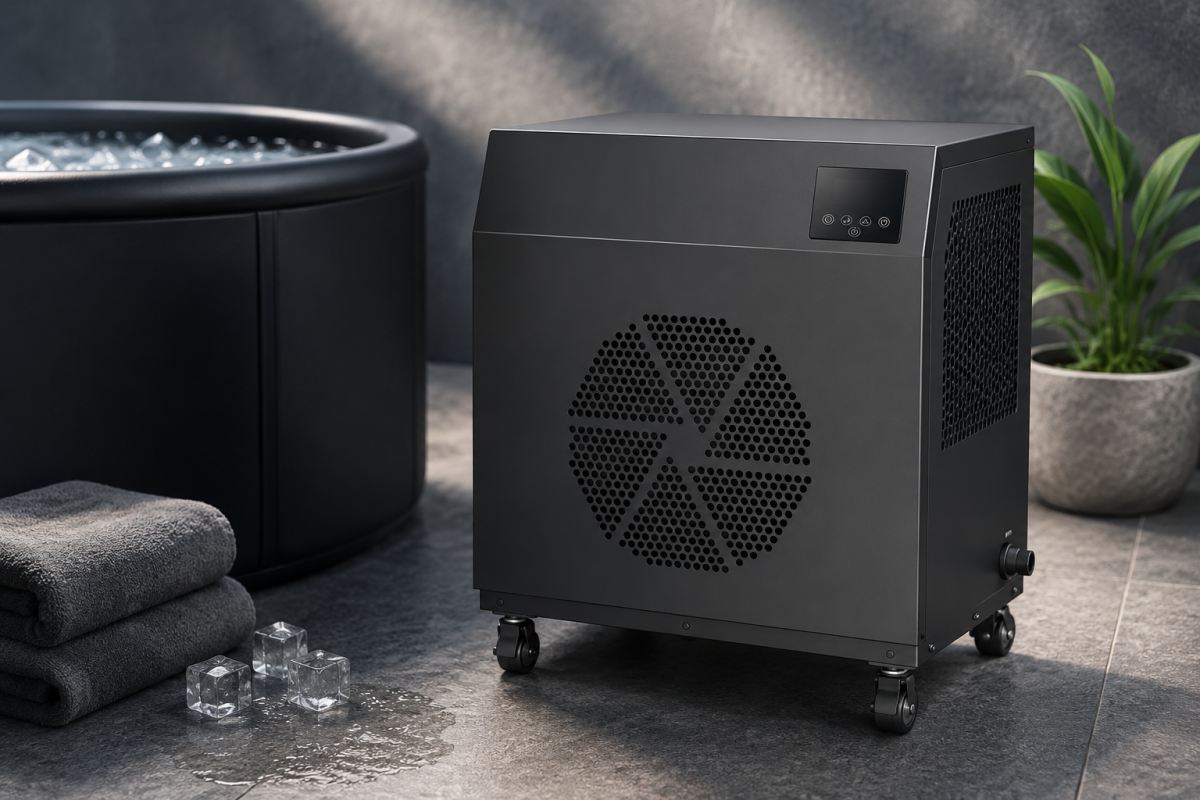
Ice baths have become increasingly popular among athletes, fitness enthusiasts, and people looking for effective ways to support post-workout recovery. Traditionally, keeping an ice bath cold meant constantly buying and adding bags of ice. An ice bath chiller offers a more convenient solution by continuously cooling and maintaining the water at a desired temperature.
But what exactly is an ice bath chiller, and how does it work? Let’s take a closer look.
What Is an Ice Bath Chiller?
An ice bath chiller is a cooling system specifically designed to lower and maintain the temperature of water in an ice bath, cold plunge tub, or recovery tank. Instead of relying on ice, the chiller uses a refrigeration system to remove heat from the water.
Most chillers are connected to the tub through water hoses. A pump circulates water from the bath through the chiller, where the water is cooled before being returned to the tub. This continuous circulation helps maintain a consistent temperature.
Depending on the model, some chillers can cool water to very low temperatures and may include digital temperature controls, filtration systems, timers, and other features.
How Does an Ice Bath Chiller Work?
The basic operation of an ice bath chiller is relatively simple.
First, water from the tub is drawn into the chiller through an inlet hose. A pump keeps the water moving through the system. Inside the chiller, the water passes through a heat exchanger.
The refrigeration system then extracts heat from the water. This process works similarly to the cooling system in a refrigerator or air conditioner. A refrigerant absorbs heat from the water and transfers that heat away from the cooling system.
Once the heat has been removed, the colder water is pumped back into the ice bath. This cycle continues until the water reaches the temperature selected by the user.
A built-in thermostat or temperature sensor monitors the water temperature and can automatically adjust the cooling system to maintain the desired level.
Why Use a Chiller Instead of Ice?
One of the biggest advantages of an ice bath chiller is convenience. With traditional ice baths, you need to purchase, transport, store, and add ice regularly. The water temperature can also fluctuate as the ice melts.
A chiller can maintain a more stable temperature without requiring large quantities of ice. Over time, this can make regular cold-water immersion easier and more predictable.
Many modern systems also combine cooling and filtration, helping keep the water cleaner between uses. Some models are designed for energy efficiency and can be programmed to operate at specific temperatures or times.
Choosing the Right Ice Bath Chiller
When selecting a chiller, consider factors such as cooling capacity, tub size, target temperature range, energy consumption, filtration, noise level, and ease of installation. A chiller designed for a small plunge tub may not provide sufficient cooling for a larger body of water.
It is also important to follow the manufacturer's installation, electrical, and water-treatment instructions.
Final Thoughts
An ice bath chiller provides a practical way to keep cold-plunge water consistently cool without depending on bags of ice. By circulating water through a refrigeration system and continuously removing heat, it helps maintain a controlled temperature with less manual effort.
For people who use cold plunges regularly, a suitable chiller can turn a basic ice bath into a more convenient and consistent recovery setup.










Comments (0)