How Does A 1 Oz American Coin Hold Value Over Time?

Discover how American silver coins retain value over time, from silver prices and collector demand to condition, premiums, and smart bullion investing.

17 Sep 2026 - 23:14
0 2
How Does A 1 Oz American Coin Hold Value Over Time?

A silver coin can be more than a piece of precious metal—it can represent a long-term store of value. Investors often consider the 1 oz american eagle when looking for a recognizable bullion asset with established market demand. However, a coin's value depends on more than its silver content. Market prices, condition, minting standards, and investor interest all influence how it performs over time. Understanding these factors helps buyers make informed decisions and manage expectations.

Understanding What Gives American Silver Coins Their Value

The value of a silver bullion coin comes from a combination of its precious metal content, market price, and potential additional premium. While silver provides the underlying commodity value, a coin's recognition and production quality can influence what buyers are willing to pay.

For investors, distinguishing between intrinsic metal value and market value is essential. The silver content provides a baseline, but the final buying or selling price may vary depending on market conditions and the specific characteristics of the coin.

The Role of Silver Content

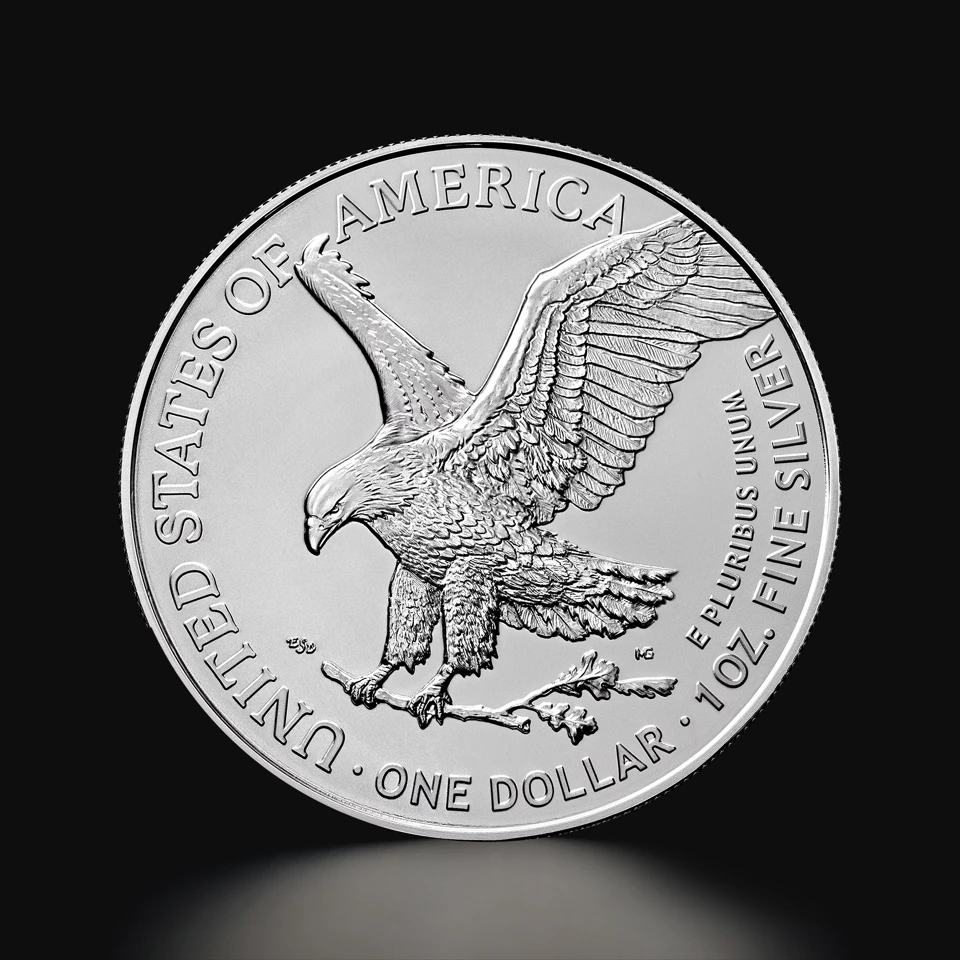
A standard American Silver Eagle bullion coin contains one troy ounce of .999 fine silver. Its precious metal content gives it a measurable value linked to the silver market.

Silver prices fluctuate based on several factors, including industrial demand, investment activity, mining supply, and broader economic conditions. As a result, the underlying value of a silver coin can rise or fall even when the coin's physical appearance remains unchanged.

Investors should remember that owning silver does not guarantee a profit. Price movements can be unpredictable, and selling costs may affect the final return.

Government Minting and Recognition

American Silver Eagles are produced by the United States Mint and are widely recognized in the bullion market. Their established specifications and recognizable design can make them easier for buyers and dealers to identify.

This familiarity may support demand, particularly among investors who prioritize well-known bullion products. Nevertheless, recognition does not eliminate price fluctuations or guarantee that every coin will sell at a premium.

Key Factors That Influence a Coin's Long-Term Value

Several factors determine how a 1 oz american coin may hold its value over time. Understanding each one can help investors evaluate purchases more carefully and avoid relying on assumptions about future returns.

Silver Market Prices

The spot price of silver is one of the most important influences on bullion valuation. When silver prices increase, the metal value of a one-ounce coin generally rises as well, although the relationship is not always exact at the retail level.

For example, suppose an investor purchases a silver coin when the spot price is $28 per ounce. If silver later reaches $35 per ounce, the coin's underlying metal value has increased by approximately $7, before accounting for premiums, dealer spreads, and other costs.

This example illustrates price exposure rather than a guaranteed investment outcome. Silver can also decline, and retail prices may not move in perfect proportion to spot prices.

Investor Demand and Market Recognition

Demand plays an important role in determining how easily a coin can be bought or sold. Recognized bullion products often attract investors who value established designs, consistent specifications, and familiarity within the market.

The American Silver Eagle has a recognizable design featuring Walking Liberty on the obverse and an eagle on the reverse. Its identity as a United States Mint product contributes to its appeal among some bullion buyers.

However, demand can vary by market conditions, dealer inventory, and investor preferences. A widely recognized coin may still experience changing premiums and resale prices.

Coin Condition and Physical Quality

Condition matters, especially when comparing standard bullion coins with collectible or specially graded examples. Scratches, milk spots, handling marks, and improper storage can affect the attractiveness of a coin to certain buyers.

For investors primarily interested in silver content, minor cosmetic imperfections may have less importance than they do for collectors. On the other hand, coins marketed for numismatic or graded value may be assessed using different criteria.

Keeping coins in suitable protective packaging can help reduce unnecessary damage. It is important to avoid cleaning silver coins with abrasive materials because cleaning may diminish their appeal to collectors.

How Premiums Affect the Value of a 1 Oz American Coin

The price an investor pays for a silver coin is usually different from the spot price of its silver content. The difference is commonly referred to as the premium.

Premiums help cover expenses associated with minting, distribution, inventory management, and retail operations. They can also reflect market demand and product recognition.

Understanding Retail Premiums

Consider a hypothetical example:

  • Silver spot price: $30 per troy ounce

  • Retail purchase price: $36

  • Premium above spot: $6

The investor pays $36 for a coin containing one ounce of silver, but the underlying metal value is $30 at the time of purchase. To recover the initial purchase price through a future sale, the investor may need silver prices to rise, the premium to remain favorable, or both.

This is why comparing dealer prices is important. A lower purchase premium may reduce the price increase required to reach a break-even point, although other factors can influence resale results.

Premiums Can Change Over Time

Premiums are not fixed. During periods of strong demand or limited availability, certain silver coins may trade at higher premiums. When supply improves or demand weakens, premiums may narrow.

An investor should therefore evaluate both the silver price and the premium being paid. A coin can increase in metal value while its premium declines, limiting the overall gain.

The Difference Between Bullion and Collectible Value

Not every silver coin is valued in the same way. Bullion buyers generally focus on precious metal content, while collectors may place greater importance on rarity, condition, historical significance, and special minting features.

Understanding this distinction helps investors choose products that match their financial goals.

Bullion-Focused Valuation

A typical bullion investor evaluates factors such as:

  1. Silver purity and weight.

  2. Current spot price.

  3. Purchase premium.

  4. Dealer reputation and resale options.

  5. Storage and transaction costs.

For this type of buyer, the main objective is often exposure to silver rather than collecting rare varieties. A standard 1 oz american product can fit this approach when its pricing and specifications align with the investor's preferences.

Collectible and Graded Coins

Some American Silver Eagles receive attention from collectors because of their condition, minting characteristics, or special editions. Professionally graded coins may command premiums that differ substantially from those of ordinary bullion pieces.

However, higher prices for collectible coins do not automatically mean stronger investment performance. Grading fees, buyer demand, and the difference between retail asking prices and actual resale offers should all be considered.

Investors interested in collectible value should research the specific coin rather than assume that every American Silver Eagle carries the same premium.

Practical Ways to Protect Your Investment

Buying a recognized silver coin is only one part of managing a bullion investment. Proper storage, accurate records, and careful purchasing decisions can help reduce avoidable costs.

Compare Dealers Before Buying

Prices can vary between dealers, even for coins with identical weight and purity. Before completing a purchase, compare the total price, shipping charges, payment fees, and any applicable taxes.

It is also useful to understand the dealer's buyback policy. A dealer who sells a coin at a particular premium may offer a different price when purchasing it back.

Consider comparing:

  • Total purchase cost.

  • Available payment methods.

  • Buyback pricing.

  • Dealer reputation.

  • Product specifications and condition.

These checks can help investors make more informed buying decisions.

Store Coins Properly

Silver coins should be stored in a dry, secure environment that limits unnecessary handling and exposure to damaging conditions. Protective capsules, appropriate holders, or other suitable storage methods can help preserve physical quality.

Avoid touching the coin's surfaces repeatedly, especially when maintaining collectible condition matters. Keep purchase receipts and product details so that you can document your holdings when reviewing your portfolio or preparing for a future sale.

Keep Realistic Investment Expectations

Silver can serve different purposes within an investment strategy, including diversification and exposure to precious metals. However, it does not generate interest or dividends simply through ownership.

Investors should consider their time horizon, financial circumstances, and tolerance for price volatility before allocating money to bullion. Diversifying across assets may help reduce reliance on a single market, although diversification cannot eliminate investment losses.

A long-term approach should include an understanding of both potential benefits and risks.

How to Evaluate Resale Value Over Time

The value of a silver coin at the time of purchase is not necessarily the same as its resale value. When reviewing potential returns, investors should consider the actual amount a dealer or buyer may offer rather than relying solely on online retail listings.

Track the Total Cost of Ownership

Suppose an investor purchases a coin for $38 when silver is trading at $31 per ounce. Several years later, silver rises to $40, but the dealer offers $39 for the coin.

Although the metal price has increased, the investor's actual return depends on the original purchase cost and the final sale price. In this hypothetical example, selling for $39 after purchasing at $38 produces a $1 gross difference, before any additional transaction expenses.

This demonstrates why investors should track the complete cost of ownership rather than focusing exclusively on changes in spot prices.

Review Market Conditions Before Selling

Silver prices, dealer demand, and premiums can change over time. Before selling, compare multiple buyback offers and check whether the coin's condition or special characteristics may affect its market value.

Avoid assuming that a higher advertised retail price translates directly into an equivalent cash offer. Retail and wholesale pricing serve different purposes, and the spread between them can affect the amount an investor receives.

Is a 1 Oz American Coin Suitable for Long-Term Investors?

The suitability of a silver bullion coin depends on an individual's goals, budget, and approach to precious metals. Some investors prioritize recognizable products and physical ownership, while others focus on minimizing premiums or gaining broader exposure to silver prices.

A one-ounce American silver coin may be worth considering when an investor understands its costs, market risks, and resale characteristics. However, it should be evaluated as part of a broader investment strategy rather than treated as a guaranteed way to preserve or increase wealth.

Comparing different bullion products can help buyers understand the trade-offs between premiums, recognition, liquidity, and collectible appeal.

Conclusion

A silver coin's ability to retain value over time depends on more than its weight and attractive design. Silver spot prices, market demand, purchase premiums, condition, and resale costs all influence the outcome. For investors considering American Silver Eagles, understanding these factors provides a practical foundation for evaluating bullion purchases. Careful dealer comparisons, secure storage, and realistic expectations can support better decision-making. While no precious metal investment guarantees a profit, informed buyers can assess the relationship between silver content and market pricing. By focusing on total costs and long-term goals, investors can make decisions that align with their individual financial strategies.

Comments (0)

User