

Top Chinese Classes for Kids in Middle Village

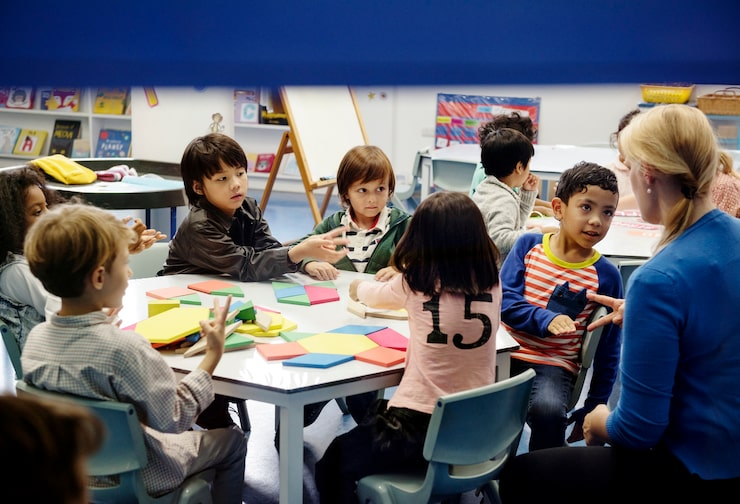
Choosing a language program for children is an important decision because early learning experiences can influence confidence, curiosity, and long term interest in education. Families often seek programs that combine skilled instruction with enjoyable activities, cultural awareness, and opportunities for meaningful communication. For families exploring language education options in the neighborhood, Top Chinese classes for kids in Middle Village can provide a useful starting point when researching suitable programs. A well organized Chinese class can introduce children to Mandarin through engaging lessons while gradually strengthening vocabulary, pronunciation, listening comprehension, reading skills, writing abilities, and conversational confidence.
Why Chinese Classes Are Valuable for Children
Chinese language education can provide children with an opportunity to develop skills that extend beyond learning another language. Mandarin introduces different sounds, sentence patterns, vocabulary structures, and writing characters, encouraging students to approach communication from a fresh perspective. Regular language practice can strengthen memory, listening, concentration, and observation skills as children recognize sounds and remember new expressions. Learning another language can also encourage children to become more comfortable with unfamiliar concepts. With patient instruction and consistent practice, students can gradually develop useful communication abilities while enjoying an educational experience that introduces them to another linguistic and cultural world.
Developing Communication Skills Early
Children can benefit from beginning language education when lessons are designed according to their developmental stage. Younger learners generally respond well to repetition, movement, music, pictures, stories, and interactive games that make unfamiliar vocabulary easier to understand. Teachers can introduce practical words and phrases connected to topics children already recognize, including family, food, school, animals, colors, numbers, and daily routines. Repeated exposure helps students remember vocabulary naturally. As familiarity increases, children can begin combining words into simple sentences and responding to questions. This gradual progression creates a comfortable foundation for more advanced communication later.
Creating an Enjoyable Learning Environment
An engaging classroom can make a significant difference in how children respond to Chinese language education. Lessons that include creative activities can help students remain attentive while practicing vocabulary and sentence structures. Teachers may use stories, songs, role playing, puzzles, drawing activities, classroom conversations, and educational games to make Mandarin more approachable. These methods can provide multiple opportunities for repetition without making lessons feel repetitive. When children associate language learning with enjoyable experiences, they may become more willing to participate and experiment with new words. Positive classroom experiences can therefore contribute to stronger motivation and greater confidence over time.
Using Games and Activities
Games can transform language practice into an interactive experience that encourages children to listen carefully and respond quickly. Simple activities involving matching pictures, identifying objects, answering questions, or following instructions can reinforce vocabulary while keeping students engaged. Teachers can also organize group activities where children practice familiar expressions with classmates. Such exercises provide repeated exposure to Mandarin in a relaxed setting. Creative tasks can be adjusted according to age and ability, ensuring that activities remain challenging without becoming overwhelming. A balanced combination of structured instruction and interactive practice can make Chinese classes both educational and enjoyable for young students.
Building Strong Mandarin Speaking Skills
Speaking is an important component of language development because children need opportunities to use Mandarin rather than simply recognize words. Teachers can introduce short conversational patterns that children can practice repeatedly during different classroom activities. Greetings, introductions, questions about preferences, descriptions of family members, and discussions about everyday routines can provide useful starting points. As students become more comfortable, teachers can gradually expand vocabulary and sentence complexity. Frequent speaking opportunities can help children improve pronunciation and develop quicker responses. Encouragement from teachers can also reduce anxiety and help students understand that mistakes are a normal part of learning.
Encouraging Everyday Conversations
Practical conversations can help children understand how Mandarin functions beyond individual vocabulary exercises. Students can practice asking for items, expressing preferences, describing activities, answering simple questions, and communicating with classmates. Teachers can create classroom situations that resemble familiar experiences so children understand how new expressions might be used outside school. Regular conversational practice can strengthen listening comprehension because students need to understand questions before responding. Over time, children can become more comfortable processing Mandarin without translating every word mentally. This gradual development can support smoother communication and create a stronger foundation for future language learning.
Introducing Chinese Reading and Writing
Chinese reading and writing offer children a distinctive learning experience because Mandarin uses characters rather than an alphabetic writing system. Beginners can start by recognizing simple characters and understanding that individual symbols can carry specific meanings. Teachers can introduce character formation through tracing, copying, visual recognition, and carefully structured writing exercises. As students gain confidence, they can begin reading simple words and short sentences. Writing practice can also strengthen memory because children learn to recognize the relationship between visual symbols, pronunciation, and meaning. A patient instructional approach allows students to build literacy skills progressively without expecting immediate mastery.
Making Characters Easier to Understand
Chinese characters may initially appear unfamiliar to children, so teachers can introduce them through visual associations and repeated practice. Students can learn how certain characters connect with words they already know through spoken Mandarin. Writing activities can then reinforce recognition while helping children understand basic character structure. Teachers may also use stories or visual examples to make individual characters easier to remember. When students encounter familiar characters repeatedly in different contexts, recognition can become more automatic. This approach can make Chinese literacy feel manageable and interesting while encouraging children to explore increasingly complex vocabulary as their skills develop.
Learning About Chinese Culture
Language learning becomes more meaningful when children understand the cultural contexts surrounding the language. Chinese classes can introduce age appropriate information about traditional celebrations, foods, music, stories, art, family customs, and everyday practices. Cultural activities can provide children with memorable experiences while reinforcing related Mandarin vocabulary. For example, a lesson about a traditional celebration can include greetings, stories, crafts, and simple cultural explanations. Such experiences can encourage curiosity about different communities and traditions. Cultural education also gives children opportunities to understand that language is connected to history, identity, communication, and everyday life.
Connecting Culture With Language
Combining cultural topics with language practice can help children remember new vocabulary because words become associated with meaningful experiences. A lesson involving food can introduce names of familiar dishes, while an activity about celebrations can introduce greetings and traditional expressions. Stories can provide examples of how characters use language in different situations. Teachers can explain cultural concepts in accessible ways so children remain engaged without being overwhelmed by unfamiliar information. This approach encourages students to see Mandarin as a living language used by real people rather than simply a collection of vocabulary lists and classroom exercises.
Choosing Age Appropriate Chinese Classes
Every child develops language skills at a different pace, making age appropriate instruction an important consideration for families. Younger children may need shorter activities, more repetition, and greater use of visual and physical learning techniques. Older students may be ready for longer conversations, reading exercises, writing assignments, and more detailed grammar instruction. Programs that group children according to age, experience, or proficiency can create lessons that better match their abilities. Parents can ask about class levels, placement procedures, teaching methods, and expected learning outcomes. Understanding these details can help families identify an environment where children can learn comfortably.
Considering Individual Learning Needs
Children may enter a Chinese class with very different levels of previous exposure. Some may hear Mandarin at home, while others may encounter the language for the first time. Teachers can support these differences by providing appropriate levels of repetition and challenge. Beginners may require additional pronunciation practice, while experienced learners may need more advanced conversations or reading exercises. Individual attention can help teachers identify areas where students need support. When instruction responds to different learning needs, children can progress without feeling either overwhelmed or underchallenged. This flexibility can contribute to a more positive and productive classroom experience.
Supporting Chinese Learning at Home
Regular practice outside classroom hours can reinforce what children learn during lessons. Families can encourage children to review vocabulary, practice greetings, identify familiar objects, listen to Chinese stories, or read beginner level materials. Short activities can be sufficient when they are performed consistently. Parents do not need advanced Mandarin skills to encourage learning. They can ask children to demonstrate new words, repeat classroom songs, or explain what they learned during a lesson. These simple interactions can show children that language learning is valuable beyond the classroom. Consistent encouragement can also strengthen memory and help maintain interest between lessons.
Making Practice Part of Daily Life
Children may respond positively when Mandarin practice becomes a natural part of familiar routines. A family can encourage simple greetings in Chinese, identify colors during an activity, count objects using Mandarin, or practice vocabulary while preparing meals. These small opportunities provide additional exposure without turning every family activity into formal homework. Parents can also encourage children to share interesting cultural facts or new expressions learned during class. When practice feels connected to everyday life, children may become more comfortable using the language spontaneously. This regular exposure can reinforce classroom instruction and support gradual improvement in communication skills.
Maintaining Motivation Over Time
Language learning requires patience because children typically develop different abilities at different stages. A student may become comfortable speaking before becoming confident with reading, or may recognize many characters while still needing support with conversation. Teachers and families can maintain motivation by recognizing steady progress rather than expecting immediate fluency. Celebrating new vocabulary, improved pronunciation, successful conversations, or completed reading activities can give children a sense of achievement. Realistic goals can also make progress easier to notice. A supportive approach encourages children to continue practicing while helping them view challenges as normal steps in the learning process.
Creating Long Term Interest
A positive early experience with Chinese can encourage children to continue studying as they grow older. Initial lessons can establish foundations in listening, speaking, reading, writing, and cultural awareness. Later, students may become interested in more advanced conversation, literature, travel, history, arts, or international communication. Maintaining curiosity can be especially valuable because language proficiency develops through continued exposure and use. Teachers can help sustain interest by introducing increasingly varied topics and activities as children mature. Families can support this development by encouraging practical language use and recognizing the progress children make throughout their educational journey.
Considering Class Schedules and Convenience
Practical considerations can influence whether children attend Chinese classes consistently. Families in Middle Village may need to consider lesson schedules alongside school hours, extracurricular activities, family responsibilities, and transportation arrangements. A convenient schedule can make regular attendance easier and reduce interruptions in the learning process. Parents may also want to understand the frequency of classes, lesson duration, enrollment requirements, and holiday schedules before selecting a program. Visiting a classroom or speaking with instructors can provide additional information about the environment. These practical details can help families find a program that fits comfortably into their existing routines.
Evaluating the Learning Environment
A welcoming classroom can influence how confidently children participate in language activities. Parents can observe whether teachers communicate clearly, encourage questions, provide positive feedback, and maintain an organized learning environment. Children should have opportunities to participate rather than simply listen throughout an entire lesson. Classroom interactions can also reveal whether students appear engaged and comfortable with the teaching approach. Safety, cleanliness, organization, and age appropriate materials are additional factors families may consider. Looking beyond advertisements and examining the actual learning environment can provide a clearer understanding of how a Chinese program may support children's educational needs.
Measuring Progress in Chinese Education
Progress in language learning can be observed through several areas rather than one single measurement. Teachers may monitor vocabulary development, pronunciation, listening comprehension, conversational ability, character recognition, reading, and writing. Regular feedback can help parents understand which skills are developing well and which areas require additional practice. Children can also demonstrate progress through classroom conversations, projects, presentations, reading exercises, and written activities. Clear communication between teachers and families can make learning goals easier to understand. When progress is monitored consistently, instruction can be adjusted to support students as their abilities and confidence continue to develop.
Conclusion
Finding suitable Chinese language education requires families to consider teaching quality, classroom engagement, cultural learning, speaking opportunities, literacy development, age appropriate instruction, individual needs, scheduling, and long term motivation. A thoughtful program can help children develop Mandarin skills while encouraging curiosity, confidence, and appreciation for cultural diversity. Families researching the Top Chinese classes for kids in Middle Village can compare available learning environments according to their children's interests, abilities, schedules, and educational goals. Since no business name was provided, the featured business can be added to the conclusion as [Business Name] once the appropriate name is supplied.










Comments (0)