

Wrought Iron Gates Installation: What Homeowners Need to Know
A gate isn't just a pretty entrance — it affects your security, your privacy, how easily you get in and out, and how the whole property reads from the street.

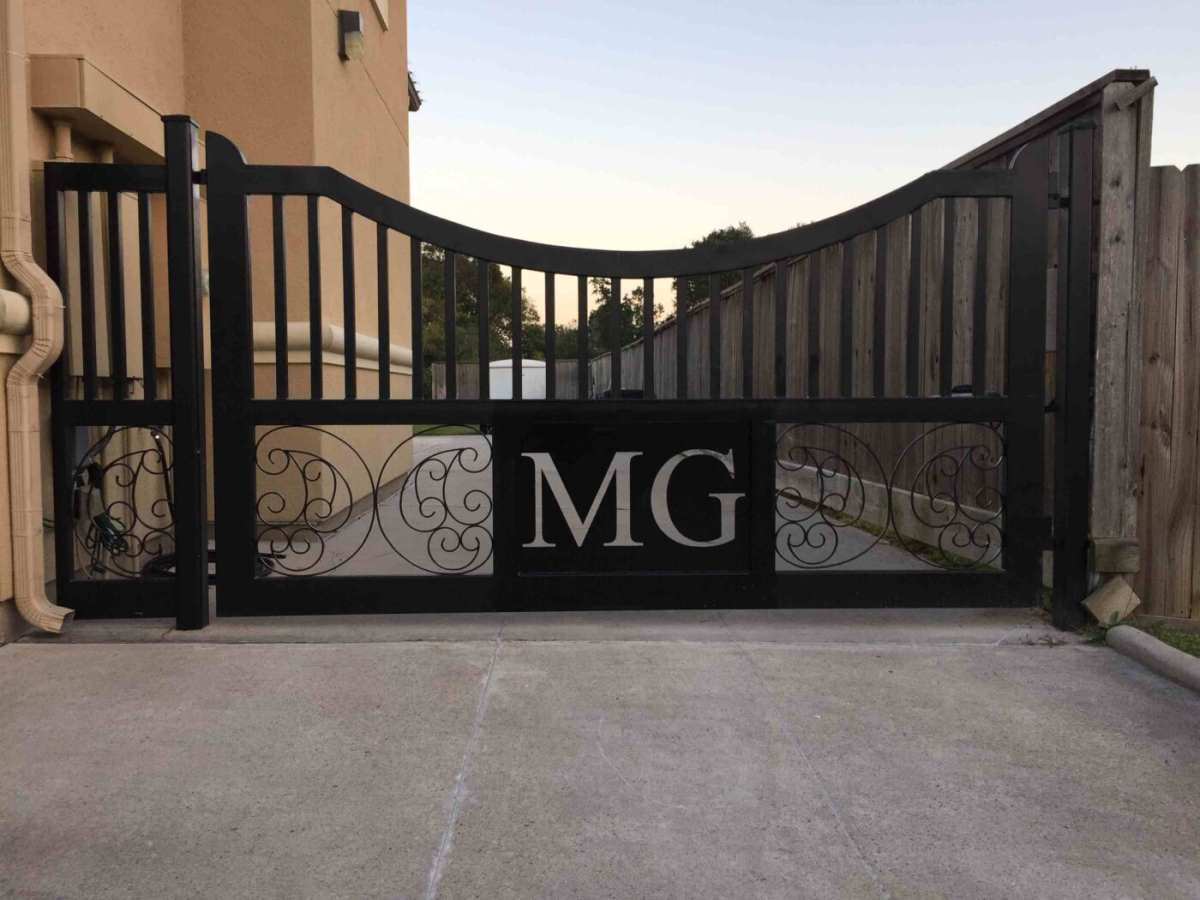
A gate isn't just a pretty entrance — it affects your security, your privacy, how easily you get in and out, and how the whole property reads from the street. A lot of homeowners land on wrought iron because it hits that sweet spot of being tough and classic-looking at the same time. But before you dive into installation, it helps to know what's actually involved — materials, site prep, costs, upkeep, and the decisions you'll need to make along the way. Getting a handle on that up front saves you from the installation headaches that catch a lot of people off guard.
Why People Keep Choosing Wrought Iron
Wrought iron gates give you a solid, lasting entrance without making the property feel sealed off. Their decorative patterns work across traditional homes, modern builds, big estates, and landscaped entryways alike, and you can customize the pattern, height, finish, and hardware pretty much however you want.
Looks aside, they're genuinely strong barriers. Designed and installed properly, they control who and what comes through — vehicles, foot traffic — while adding a real layer of security. That sturdiness is why they show up so often on driveways, garden entrances, side passages, and larger properties.
Take a Hard Look at Your Property First
Before you pick a gate, someone needs to actually look at the space it's going into. Available room, ground conditions, driveway slope, the fencing around it, and where utility lines run — all of that shapes the project.
Part of a proper assessment is deciding whether the gate should swing in, swing out, or slide sideways. Swing gates need clearance to operate safely; sliding gates need open space along the side of the entrance. Uneven ground can throw a wrench in things too, sometimes requiring adjustments so the gate doesn't drag or stick.
Don't skip checking the existing posts or walls, either. If that support structure is weak, it'll need reinforcing before a new gate goes up — otherwise you're building on a shaky foundation, literally.
Picking the Right Design
Wrought iron gates run the gamut from simple vertical bars to elaborate ornamental work. What fits best comes down to your home's architecture and what you actually need the gate to do.
Want more privacy? Look at tighter spacing or panels built into the design. Want something that feels more open and welcoming? Decorative bars or scrollwork tend to do that. Height matters too — taller gives you more privacy and security, shorter keeps things feeling open.
Finish is worth thinking through as well. Powder coating and similar treatments protect the metal from weather and corrosion, so pick something that also plays nicely with your existing exterior colors and landscaping.
How the Installation Actually Goes
Installation usually starts with careful measurements and prepping the entrance area. The installer figures out gate dimensions, where the posts go, hinge placement, and which way it should open.
The posts need to be set securely at the right depth to hold the gate's weight. Depending on the soil and how big the gate is, concrete footings might be necessary to keep everything from shifting over time. Once the posts are solid, the gate panels get attached and aligned.
Alignment matters more than people expect. A gate that's even slightly off-level can drag on the ground, put extra strain on the hinges, or just refuse to latch properly. Once it's up, the hardware needs to be tested — opening, closing, latching, all of it — to make sure it actually works the way it should.
Matching It to Existing Fencing
If your property already has wrought iron fencing, the new gate should mirror its design, finish, height, and spacing as closely as you can manage. Even small mismatches make the entrance look like an afterthought rather than part of the whole.
Getting that consistency right does a lot for curb appeal. And if the existing fence is looking a little worn, this is often a good moment to repair, repaint, or upgrade it too, so the whole property reads as one cohesive package instead of pieced together.
Manual or Automated?
You'll also need to decide between a manual gate and an automated one. Manual tends to make sense for pedestrian entrances or properties without a lot of daily traffic — fewer parts, generally less upkeep.
Automated gates are more convenient, especially on driveways — remotes, keypads, apps, even vehicle detection if you want to go that route. But automation comes with more moving pieces: motors, sensors, control panels, safety features, all of which need to be accounted for.
If you go automated, make sure the system is actually sized for your gate's weight and how often it'll be used. And don't skip the safety sensors — they need to be installed and tested properly so the gate doesn't close on a person, car, or anything else in its path.
Keeping It in Good Shape
Wrought iron is durable, but it's not something you can just ignore forever. Moisture, humidity, scratches, and rough weather will eventually lead to rust if the protective finish gets compromised.
Check the gate now and then for chipped paint, rust spots, loose hardware, or sagging. Wash it with mild soap and water — skip anything abrasive that could chew up the finish — and lubricate the hinges and moving parts on whatever schedule the manufacturer recommends.
Catching small problems early is a lot cheaper than fixing big ones later. If the finish gets damaged, touch it up sooner rather than later to keep the metal underneath protected.
What Drives the Cost
A handful of things affect the final price: the gate's size, how complex the design is, how thick the material is, what kind of support structure it needs, the finish, and whether you're adding automation. Site prep and changes to existing fencing can push the cost up further too.
A basic manual gate obviously involves fewer parts than a big automated driveway gate loaded with custom detailing. Ask for a detailed estimate that breaks out the gate, posts, labor, hardware, any electrical work, and repairs separately.
A clear breakdown keeps surprise costs from showing up mid-project and makes it a lot easier to compare bids based on real value instead of just the bottom-line number.
Mistakes Worth Avoiding
One mistake people make a lot: picking a gate purely on looks without thinking through whether it'll actually work in the space they've got. Another is skipping the inspection of the ground and support posts entirely.
Bad measurements, weak post foundations, cheap hardware, and misaligned gates all cause problems down the road. Drainage is another thing people overlook — standing water near the gate posts can cause real damage over time if it's not addressed.
Working with an installer who's done this before, and talking through these issues up front, goes a long way toward keeping the project on track.
Bottom Line
A wrought iron gate is a real upgrade — it improves security, controls access, and boosts how the property looks. Getting the best results comes down to careful planning, accurate measurements, the right materials, and solid installation work. Think through the design, how it'll operate, the maintenance it'll need, and how it lines up with your existing fence, and you'll end up with a gate that stays functional and good-looking for years.








Comments (0)