

What Your Cracked Concrete Is Trying to Tell You

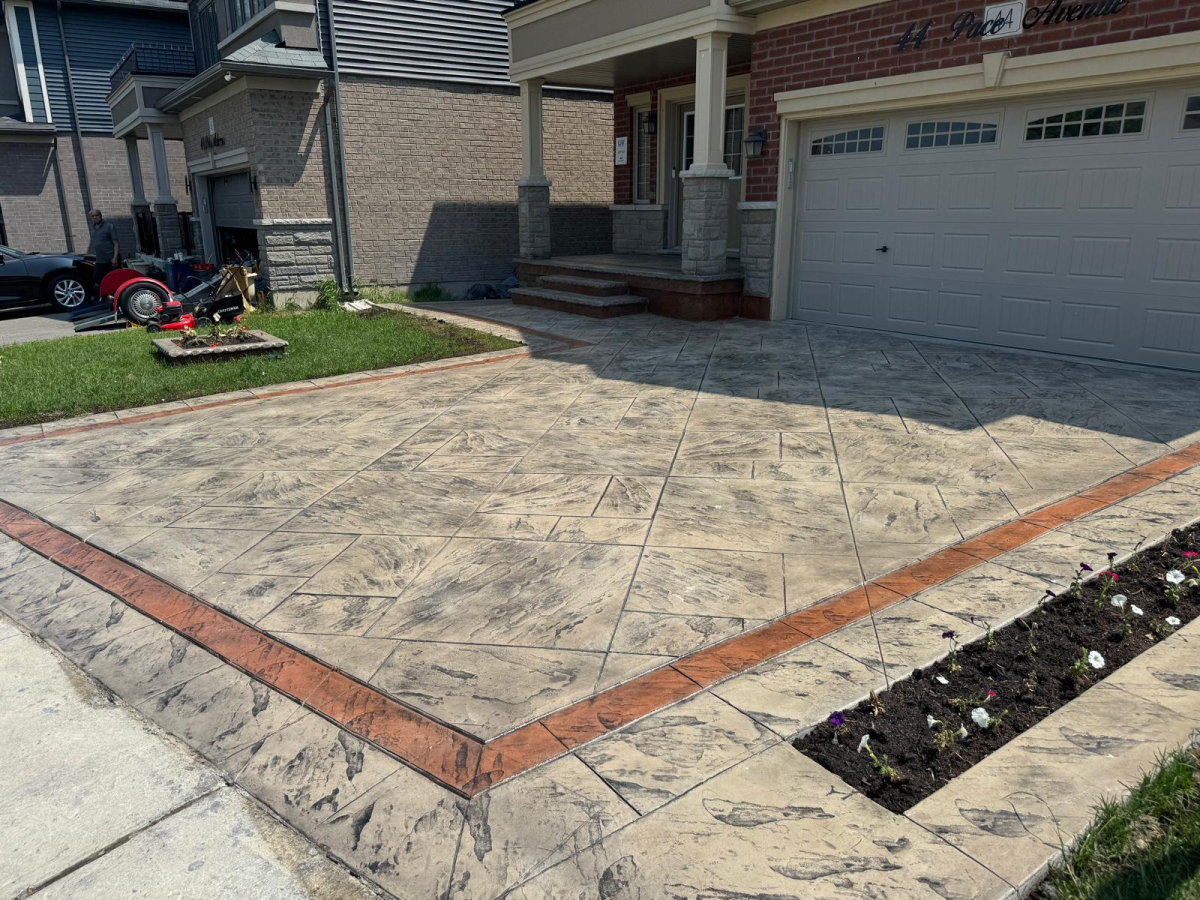
Cracked concrete is one of those problems that homeowners often notice but do not always understand. A small crack may seem harmless, especially when the surface still looks usable. However, cracks can sometimes provide important clues about drainage, soil movement, installation quality, weather exposure, or the age of the surface.
Not every crack means that major repairs are needed. Some are mainly cosmetic, while others may become worse if they are ignored. Learning what different cracks can tell you can help you make better decisions about maintenance, repairs, and future improvements.
Why Does Concrete Crack?
Concrete is strong and durable, but it is not completely resistant to movement. As concrete cures, changes temperature, absorbs moisture, and experiences pressure from the ground beneath it, small cracks can develop.
The location, size, direction, and shape of a crack can provide useful information. Looking at the surrounding area is also important because the crack may be connected to a larger drainage or soil problem.
Small Surface Cracks
Thin cracks that appear only on the surface are often less concerning than wide or uneven cracks. They may develop naturally as concrete dries and shrinks.
However, even small cracks deserve occasional attention. Water can enter the opening and gradually affect the surrounding material, particularly when the surface is exposed to repeated moisture and changing weather.
Cracks Can Reveal Drainage Problems
Water is one of the most important things to consider when concrete starts cracking. If water regularly collects around a driveway, walkway, patio, or other paved area, the soil underneath may become soft or unstable.
Over time, movement beneath the concrete can place pressure on the surface.
Look at the Area Around the Crack
Do not examine the crack by itself. Check whether you notice:
- Standing water after rain
- Soil that stays wet for long periods
- Uneven areas beside the concrete
- Water flowing toward the foundation
- Erosion around the edges of the surface
These signs can help identify whether water management should be addressed along with the visible crack.
Uneven Concrete Can Point to Soil Movement
Concrete depends on the ground beneath it for support. If the soil settles, expands, contracts, or washes away, the concrete above it may move as well.
This can lead to cracks, raised sections, or areas that feel uneven when walking across them.
Why Soil Conditions Matter
Different soil conditions can respond differently to moisture and changes in weather. Poorly compacted soil may also settle after concrete has been installed.
When a crack appears together with noticeable sinking or lifting, it is worth looking beyond the surface. Repairing only the visible opening may not address the reason the concrete moved.
Weather Can Affect Concrete
Outdoor concrete is exposed to heat, cold, rain, and repeated changes in moisture. These conditions can cause materials to expand and contract over time.
Temperature changes are particularly important for large outdoor surfaces. Without appropriate planning, movement can place stress on the concrete.
Good installation practices and suitable joints can help manage normal movement and reduce unnecessary pressure.
When Cracks Become Wider
A wider crack deserves more attention than a very fine surface line. This does not automatically mean there is a serious structural problem, but it may indicate movement that should be evaluated.
Pay attention if a crack appears to be growing, if two sections have different heights, or if the surface around it feels unstable.
Watch for Changes Over Time
One of the easiest ways to understand a crack is to observe whether it changes. Take note of its location and general appearance, then check it periodically.
If the opening becomes noticeably wider or the surrounding concrete becomes uneven, professional evaluation may be useful.
Cracks Around Steps and Edges
Cracks near steps, edges, corners, and transitions can sometimes develop because these areas experience different pressures than the middle of a large slab.
Edges may also be exposed to more water and soil movement.
When planning repairs, consider how the surface connects with nearby landscaping, drainage areas, walls, and other structures. Treating the entire area as one system can lead to a more practical solution.
What Concrete And Interlocking Can Tell You About Your Property
Homeowners often focus on the appearance of a cracked surface, but paved areas can reveal how the property responds to daily use and weather.
Concrete And Interlocking surfaces may show different signs of movement depending on how they were installed and how the ground beneath them behaves. Cracked concrete, shifted sections, or uneven joints can all provide clues about conditions below the surface.
Look at the Whole Hardscape
Instead of examining only one damaged section, look at the surrounding hardscape. If several areas show similar problems, there may be a broader issue involving drainage, soil, installation, or regular movement.
This wider view can help homeowners avoid treating individual symptoms without understanding the larger situation.
When Repair May Be Enough
Not every damaged concrete surface needs to be completely replaced. Depending on the condition, location, and cause of the problem, a suitable repair may restore function and appearance.
Small cracks can sometimes be repaired before they become larger. The appropriate approach depends on the material, extent of damage, and reason the crack developed.
Consider These Questions
Before deciding what to do, consider:
- How large is the crack?
- Has it changed recently?
- Is the surrounding surface uneven?
- Does water collect nearby?
- Is the area used for vehicles, walking, or outdoor living?
- Are similar cracks appearing elsewhere?
These questions can help you have a more informed conversation with a qualified professional.
When Replacement Makes More Sense
Some surfaces are too damaged or unstable for simple repairs to provide a lasting result. Extensive cracking, major movement, repeated repairs, or poor drainage may indicate that a larger solution is needed.
Replacement can also be worth considering when homeowners are already changing the layout of an outdoor area.
The important point is to understand why the original surface failed before installing something new.
Concrete Problems During Larger Home Improvements
Outdoor concrete is often connected to other parts of the property. A driveway may meet a garage, a patio may connect with a back door, and walkways may lead directly to outdoor living spaces.
During a Full House Renovation, homeowners may decide to change entrances, drainage, patios, landscaping, or other outdoor features. These changes can create an opportunity to address concrete problems at the same time.
Plan Before Construction Begins
If outdoor surfaces are already showing signs of damage, mention them during the early planning stage. This allows the overall project to consider drainage, access, grading, and the relationship between indoor and outdoor areas.
A Full House Renovation does not necessarily mean every outdoor surface needs to be replaced. It simply provides an opportunity to look at how different parts of the property work together.
Do Not Cover Up the Problem
One common mistake is focusing only on making cracked concrete look better. A new surface may improve appearance, but if water continues to collect or the soil keeps moving, the same problem may return.
The goal should be to identify the cause whenever possible.
Think About Long Term Performance
A successful improvement should consider how the area will be used in the future. Heavy traffic, vehicles, outdoor furniture, landscaping, drainage, and weather exposure can all affect performance.
Good planning can reduce unnecessary maintenance and help the finished area remain useful for longer.
Concrete And Interlocking as Part of a Larger Outdoor Plan
When an outdoor area needs improvement, homeowners may consider different surface options. Concrete And Interlocking can both play useful roles in outdoor design, depending on the location and intended use.
The right choice should be based on practical needs rather than appearance alone. Drainage, maintenance, access, soil conditions, and the overall property design should all be considered.
What Cracks Can Teach You Before a Renovation
Cracked concrete can be a useful warning sign before larger work begins. It may encourage homeowners to investigate drainage, soil conditions, surface movement, and the way people use the property.
During a Full House Renovation, this information can help guide decisions about outdoor areas as well as indoor improvements.
Instead of seeing every crack as a reason to panic, view it as information. Understanding what caused the damage is usually more valuable than simply hiding it.
Conclusion
Cracked concrete can tell you more about your property than you might expect. Small surface cracks may be harmless, while wider or changing cracks can point toward movement, drainage concerns, soil conditions, or other issues that deserve attention.
Whether you need a simple repair or a larger outdoor improvement, careful evaluation can help you choose the right approach. Concrete And Interlocking can be considered as part of a practical outdoor plan, while broader property changes may benefit from coordinated planning.
For homeowners completing a Full House Renovation or improving specific areas of their property, Quick & Perfect Renovation can help bring different renovation needs together with a practical approach. The key is to understand what your concrete is telling you before deciding what to do next.









Comments (0)