

Connecting Ancient Wisdom With Modern Social Development

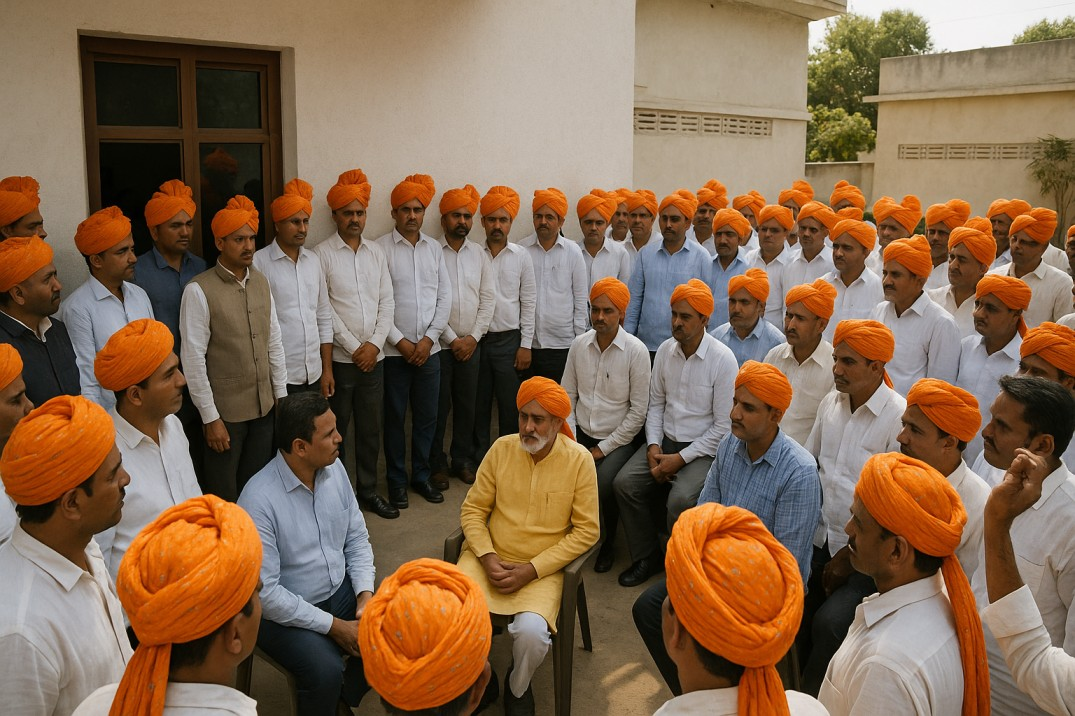
Modern society is changing rapidly through technology, education, economic development, and global communication. Yet, progress is not only about creating better infrastructure or adopting new technologies. True development also depends on how people think, cooperate, lead, and respond to social challenges. This is where ancient wisdom can offer valuable guidance. India and many other civilizations have developed philosophies that emphasize compassion, responsibility, self-discipline, community welfare, environmental respect, and ethical living.
Connecting ancient wisdom with modern social development does not mean returning to the past or rejecting modern ideas. Instead, it means understanding timeless principles and applying them to present-day challenges. When traditional values work together with modern education, technology, entrepreneurship, and social innovation, communities can build development models that are both progressive and meaningful.
Understanding the Value of Ancient Wisdom
Ancient wisdom contains ideas that remain relevant because they address fundamental human needs. Concepts such as compassion, truth, duty, self-awareness, cooperation, and respect for nature can influence how individuals and communities approach development.
Traditional knowledge often focused on the relationship between individuals, society, and the environment. It encouraged people to understand that personal prosperity should not come at the cost of collective well-being. This perspective can contribute to modern conversations about sustainable development, responsible leadership, social equality, and environmental protection.
Ancient teachings can also encourage people to look beyond material success. Economic growth is important, but communities also need trust, emotional resilience, ethical leadership, cultural confidence, and social responsibility. These dimensions help create stronger societies.
Bringing Traditional Values Into Modern Society
Ethical Leadership and Social Responsibility
Modern organizations and communities need leaders who can make responsible decisions. Ancient philosophies often placed strong emphasis on duty and ethical conduct. These principles can support modern leadership by encouraging decision-makers to consider the wider consequences of their actions.
A socially responsible leader does not focus only on personal achievement. Instead, the leader works toward creating opportunities for others, strengthening communities, and addressing challenges fairly. This approach can improve trust and encourage collaborative development.
Education That Builds Character
Education plays a major role in social development. Modern education provides technical knowledge, professional skills, and access to information. However, students also need values that help them use their knowledge responsibly.
Integrating lessons about cultural heritage, self-awareness, empathy, environmental responsibility, and community service can create more balanced individuals. Education can therefore become a tool for both economic advancement and character development.
Community Development Through Collective Action
Many traditional societies emphasized collective responsibility. People supported one another through community activities, shared resources, cultural practices, and local institutions.
This principle remains useful today. Modern social ASHAMA Total Village Development Program can encourage community participation in education, healthcare, environmental conservation, skill development, and local entrepreneurship. When people become active participants rather than passive beneficiaries, development becomes more sustainable.
Ancient Wisdom and Sustainable Development
Environmental sustainability has become one of the most important concerns of modern society. Climate change, pollution, resource depletion, and rapid urbanization require responsible solutions.
Ancient traditions frequently recognized the importance of living respectfully with nature. Rivers, forests, animals, soil, and other natural resources were often viewed as valuable parts of life rather than unlimited commodities.
Modern sustainability can learn from this mindset while using contemporary science and technology. Renewable energy, water conservation, responsible agriculture, waste reduction, and sustainable urban planning can become more effective when communities also develop a culture of environmental responsibility.
The goal is not to replace scientific solutions with traditional beliefs. Instead, the strongest approach combines scientific knowledge with responsible values.
Technology With a Human Purpose
Technology has transformed communication, education, healthcare, business, and social services. However, technological progress alone cannot solve every social problem.
Ancient wisdom can provide an important ethical perspective for technology-driven development. Digital platforms, artificial intelligence, automation, and social media should serve human well-being rather than create greater inequality, isolation, or misinformation.
For example, technology can connect rural communities with educational resources, provide access to healthcare information, support small businesses, and create employment opportunities. When innovation follows principles of inclusion and responsibility, it can become a powerful instrument for social development.
Preserving Culture While Encouraging Progress
Economic modernization can sometimes create distance between younger generations and their cultural heritage. Preserving traditions does not require rejecting modern lifestyles. Communities can preserve language, art, festivals, knowledge systems, architecture, stories, and ethical traditions while embracing innovation.
Cultural awareness can strengthen identity and create opportunities for tourism, creative industries, education, handicrafts, and entrepreneurship. Young people can reinterpret traditional knowledge through modern platforms and communicate it to wider audiences.
This creates a bridge between generations. Older generations contribute experience and cultural knowledge, while younger generations contribute creativity, technology, and new forms of communication.
Measuring the Impact of Value-Based Development
Social development can be evaluated through practical indicators. Consider a community development initiative involving 500 participants. If 60% participate in educational programs, 40% engage in environmental activities, and 30% participate in skill-development programs, the total participation across activities would be:
300 + 200 + 150 = 650 activity participations.
This simple calculation demonstrates that one person may contribute to multiple areas of development. Therefore, social progress should not be measured only by financial growth. Participation, education, environmental awareness, employment, community engagement, and quality of life can also provide meaningful measures.
Building a Balanced Future
The future of social development requires balance. Modern societies need innovation, economic opportunities, scientific progress, and digital transformation. At the same time best vedic education programs they need compassion, ethics, cultural awareness, responsibility, and respect for nature.
Connecting ancient wisdom with modern social development can help create this balance. It provides a framework for asking important questions: What kind of progress do we want? Who benefits from development? How can communities grow without losing their identity? How can technology improve human life without weakening human values?
These questions can guide governments, educational institutions, organizations, community groups, and individuals toward more thoughtful decisions.
Frequently Asked Questions
1. What is the role of ancient wisdom in modern social development?
Ancient wisdom can provide ethical and social principles such as compassion, responsibility, self-discipline, cooperation, and respect for nature. These values can complement modern approaches to education, technology, leadership, and sustainability.
2. Can ancient values support modern technology?
Yes. Ancient values can provide ethical guidance for using modern technology responsibly. Technology becomes more beneficial when innovation focuses on inclusion, human well-being, sustainability, and social responsibility.
3. How does cultural awareness support development?
Cultural awareness strengthens identity, encourages community participation, preserves heritage, and can create opportunities in education, tourism, creative industries, and entrepreneurship.
4. Why is ethical leadership important for social progress?
Ethical leadership encourages responsible decision-making, builds trust, supports fairness, and focuses on long-term community benefits rather than short-term personal gains.
5. How can young people connect ancient wisdom with modern life?
Young people can explore traditional knowledge through education, digital media, community projects, environmental initiatives, creative industries, and modern entrepreneurship while adapting timeless principles to contemporary challenges.
Conclusion
Connecting ancient wisdom with modern social development offers a practical pathway toward balanced progress. The objective is not to recreate the past, but to understand valuable principles and apply them intelligently to modern challenges. Ethical leadership Jhansi Ki Parampara responsible technology, meaningful education, cultural awareness, community participation, and environmental responsibility can work together to create stronger societies.When innovation is guided by wisdom and development remains connected to human values, progress becomes more than economic growth. It becomes an opportunity to build communities that are resilient, inclusive, responsible, and prepared for the future.










Comments (0)