

The Most Common Vehicles Moved on a Gooseneck Car Hauler
Discover the most common vehicles moved on a gooseneck car hauler, including pickup trucks, SUVs, classic cars, project vehicles, and commercial vans.

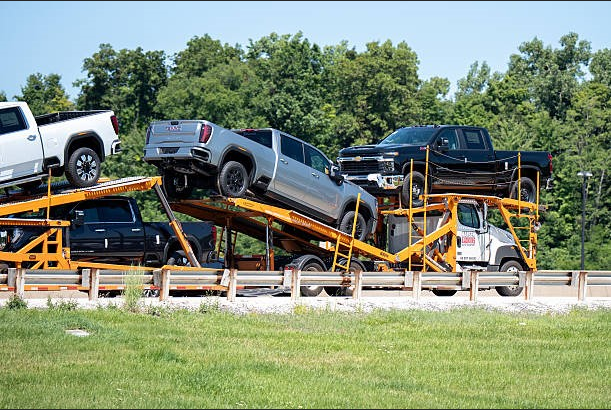
Moving vehicles efficiently requires the right hauling setup, especially when the load demands more space, stability, or careful handling. A gooseneck car hauler has become a familiar choice for vehicle transport across commercial jobs, equipment moves, dealership transfers, and personal hauling needs. What makes the topic interesting is the variety of vehicles that can appear on these trailers, each bringing different transport considerations.
More importantly, some vehicle types are moved far more frequently than others. Looking at the most common ones offers a practical view of how gooseneck hauling is used in real-world transportation without limiting it to a single type of vehicle.
Key Takeaways
-
Match trailer capacity to the exact vehicle.
-
Measure modified vehicles before transport.
-
Consider clearance for low-profile cars.
-
Account for added equipment and cargo weight.
-
Confirm towing compatibility before pickup.
What Vehicles Are Commonly Transported on a Gooseneck Car Hauler?
-
Full-Size Pickup Trucks
Pickup trucks are among the most common vehicles transported on gooseneck trailers, particularly when the truck is not being driven to its destination.
Common examples include:
-
Ford F-150 and Super Duty models
-
Chevrolet Silverado
-
GMC Sierra
-
Ram 1500, 2500, and 3500
-
Work trucks with utility bodies
A pickup can weigh considerably more than a typical sedan, especially when equipped with four-wheel drive, diesel engines, long beds, or aftermarket accessories. A gooseneck car hauler can be particularly useful for longer or heavier truck configurations when its deck dimensions and payload rating match the vehicle.
Before loading, renters should confirm the truck's actual curb weight and compare it with the trailer's available payload. Length and width also matter because crew-cab and long-bed configurations can require considerably more deck space.
-
SUVs and Large Crossovers
Large SUVs are another frequent load because they combine substantial weight with longer and taller body dimensions.
Vehicles such as full-size family SUVs, off-road models, and commercial utility vehicles may be transported when they are being relocated, delivered, repaired, sold, or taken to an event.
A gooseneck car hauler can provide the deck length needed for vehicles with longer wheelbases. However, operators still need to measure tire width and overall vehicle dimensions rather than assuming every SUV will fit.
Wide off-road tires, running boards, or suspension modifications can significantly change the loading requirements.
-
Classic and Collector Cars
Classic cars frequently require trailer transport because owners may prefer to avoid unnecessary mileage or to avoid exposing valuable vehicles to long highway trips.
This category can include:
-
Restored muscle cars
-
Vintage sedans
-
Antique automobiles
-
Collector trucks
-
Show cars
-
Rare performance vehicles
Loading technique becomes especially important when transporting older vehicles. Some classics have long front or rear overhangs, while others have low exhaust systems or limited ground clearance.
Renters should examine ramp length, loading angle, securement points, and deck condition before transporting a valuable vehicle.
-
Race Cars and Modified Performance Vehicles
Race cars and heavily modified street cars are often transported instead of driven because they may not be configured for routine highway travel.
Low ride height is one of the biggest concerns. Splitters, side skirts, exhaust systems, and other aerodynamic components can contact steep ramps during loading.
For especially low vehicles, an equipment tilt trailer or a trailer with longer ramps may provide a shallower approach angle.
Operators should measure ground clearance at the front bumper, center of the vehicle, and rear before deciding which loading system is appropriate.
-
Inoperable and Project Vehicles
A vehicle does not have to run to be transported. Restoration projects, damaged vehicles, auction purchases, and mechanical projects are regularly hauled between homes, workshops, body shops, and storage facilities.
An inoperable vehicle normally requires additional loading equipment, such as a properly rated winch.
The vehicle's steering and braking conditions should also be considered. A car that rolls freely may be relatively straightforward to load, whereas a vehicle with seized brakes, damaged suspension, or locked steering can require specialized recovery equipment.
When comparing car hauler rentals, renters should confirm whether the trailer includes a winch or requires them to provide compatible loading equipment separately.
-
Commercial Vans and Work Vehicles
Contractors and businesses may also transport cargo vans, service trucks, fleet vehicles, and other commercial units.
These vehicles can be heavier than their passenger counterparts because they may contain:
-
Shelving systems
-
Tool storage
-
Ladder racks
-
Auxiliary equipment
-
Service bodies
-
Heavy-duty bumpers
Any tools, materials, or equipment remaining inside the vehicle contribute to its loaded weight. Therefore, operators should calculate the vehicle's transport weight rather than relying solely on its factory curb weight specification.
-
Jeeps and Modified Off-Road Vehicles
Jeeps, rock crawlers, lifted trucks, and other recreational off-road vehicles are also commonly moved by trailer.
Modified vehicles require additional attention because factory specifications may no longer accurately represent their dimensions or weight.
Large tires can increase overall width, while suspension lifts can affect the vehicle's center of gravity. Winches, steel bumpers, roll cages, skid plates, and spare tires also add weight.
Measure the modified vehicle itself before selecting a trailer rather than depending exclusively on manufacturer specifications.
-
Multiple Smaller Vehicles
Some larger trailer configurations may be designed to transport multiple compact vehicles, depending on deck dimensions, axle ratings, and total load capacity.
However, carrying multiple vehicles requires careful weight distribution. The combined vehicle weight must remain within the trailer's available payload after accounting for the trailer itself and any additional equipment.
Proper positioning is equally important because excessive weight at either end can negatively affect towing stability.
Why Vehicle Type Matters When Choosing the Trailer
The correct trailer is determined by more than whether a vehicle physically fits on the deck. A gooseneck car hauler should be selected based on the vehicle’s weight, dimensions, ground clearance, and securement needs rather than deck space alone.
Before reserving an affordable trailer rental, compare several specifications:
-
Vehicle weight
-
Trailer payload capacity
-
Overall vehicle length
-
Tire-to-tire width
-
Ground clearance
-
Wheelbase
-
Ramp configuration
-
Securement locations
-
Tow vehicle rating
A gooseneck equipment trailer may also be considered when the transportation job extends beyond conventional passenger vehicles and involves heavier work vehicles or machinery.
The tow vehicle must also be properly equipped. Gooseneck trailers require a compatible bed-mounted hitch, sufficient towing capacity, appropriate tongue or pin weight capacity, and functioning trailer brake connections.
Conclusion
Transporting different vehicle types requires more than simply finding enough trailer space. Weight, dimensions, ground clearance, vehicle condition, and towing compatibility all influence which setup is appropriate. A gooseneck car hauler can accommodate many pickups, SUVs, classic cars, modified vehicles, commercial units, and project cars when properly matched to the load.
Taking accurate measurements and reviewing trailer specifications before loading can reduce avoidable problems during transport. Careful planning also helps protect the vehicle, trailer, and tow vehicle throughout the trip. The right hauling setup ultimately makes vehicle transportation more controlled, practical, and efficient.
FAQs
Do gooseneck trailers require a special driver's license?
License requirements depend on vehicle weight, trailer weight, and state regulations. Commercial use may also trigger additional licensing requirements.
Can electric vehicles be transported on car haulers?
Yes, but their battery packs can make them heavier than similar gasoline-powered models. Confirm the vehicle's curb weight before selecting a trailer.
Should tire pressure be checked before transporting a vehicle?
Yes. Proper tire pressure on both the trailer and tow vehicle supports safer handling and helps reduce excessive heat buildup during travel.
Are weather conditions important when planning vehicle transport?
Yes. Rain, high winds, snow, and extreme temperatures can affect traction, braking distance, visibility, and overall towing stability.
Does insurance automatically cover a vehicle while it is being trailered?
Not always. Coverage varies by auto, trailer, and rental policies, so renters should verify protection with their insurance provider before transport.







Comments (0)