

What Is the Difference Between Landmarks and Tourist Attractions?
In the process of preparing for a trip, the words landmarks and tourist attractions will be mentioned interchangeably very often.


What Is the Difference Between Landmarks and Tourist Attractions?: A Complete Guide
In the process of preparing for a trip, the words landmarks and tourist attractions will be mentioned interchangeably very often. It is important to note that both of these words will enhance the appeal of a destination; however, their definitions are different. Landmark refers to something which serves as a distinctive feature of a specific location, whereas tourist attraction refers to a place which will attract tourists to visit it.
Understanding What a Landmark Is
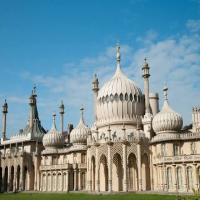
A landmark is an object that stands out and is easily recognizable and identifiable as belonging to a particular area. Landmarks can either be natural or man-made, and most often than not, they hold some kind of historical, cultural, architectural or geographical value. Landmarks can sometimes become such an integral part of a city that it becomes the symbol of the destination. For instance, landmarks include a tower, bridge, monument, mountain or building.
Landmarks need not be created for tourists alone. Most often than not, landmarks are simply important to the place.Glasgow Taxi Tourists can take pictures, appreciate their architecture or learn about the history of the place while residents can use the landmarks for navigation purposes. In other words, landmarks can also be significant regardless of the fact that they don’t offer any form of entertainment.
What Makes a Tourist Attraction Different?
An attraction refers to anything which is made, developed, conserved, and marketed to attract visitors. The examples of attractions are museums, galleries, theme parks, landmarks, parks, viewing decks, wildlife parks, entertainment places, and cultural events. An attraction, as opposed to a landmark, usually offers some activity for its visitors.
Museums, for example, are tourist attractions where one gets to view exhibitions and learn more about art, science, or history. In the same way, a historic castle is an example of an attraction which is a landmark at the same time, as it is recognizable but has something to offer to its visitors.
Landmarks and Attractions in Travel Planning
As travelers discover new cities, they are sometimes fortunate enough to encounter a situation where attractions and landmarks work hand in hand to ensure that they get a wholesome experience. A landmark could serve as an identification point while the attraction serves to offer visitors an experience. In the case of someone exploring Glasgow, for example, viewing a landmark building would suffice in order to appreciate its importance while exploring the attraction would mean spending many hours there.
Transportation could also affect how easy it is for visitors to enjoy these places. Visitors seeking an efficient and comfortable means of transportation around important places may wish to use the services of Glasgow Chauffeur Hire.
Key Characteristics of Landmarks
There are a number of factors that distinguish landmarks. First, they are recognizable; they have features that make them easily identifiable with respect to their destination. Secondly, landmarks usually have some cultural or historic value. Landmarks can signify an event, a time period, a personality, architectural trends, or natural formations.
Another factor that distinguishes landmarks is their longevity. Many landmarks have been around for many years, even decades and centuries, making them an integral part of the city’s history. Nevertheless, it is not necessary for the landmarks to be old. They can be new but have achieved cultural or aesthetic significance.
Famous examples of landmarks are bridges, towers, monuments, religious buildings, sports venues, squares, distinctive architectures, and natural formations such as mountains, waterfalls, lakes, rock formations, or coasts.
Also read: What Are Some Reasons Why People Might Move from Glasgow to Paisley?
Key Characteristics of Tourist Attractions
Tourist attractions are usually designed for visitors. They can have entrance facilities, tours, visitor centers, exhibits, catering services, souvenir shops, entertainments, or interactive services. The primary function of tourist attractions is to offer the visitors an enjoyable, educative or memorable experience.
The attractions can either be permanent or temporary. While a big museum could attract visitors all year round, a festival or season-based attraction could operate for just a specific period of time. Tourist attractions can also vary from free public places to commercially operated attractions which require prior booking.
Another distinguishing feature between tourist attractions and symbols is that tourist attractions do not necessarily have to be a recognized symbol of the place. A small specialized museum, for instance, can attract many visitors through its exhibits but few people would recognize its building as the symbol of the city.
Can a Place Be Both a Landmark and a Tourist Attraction?
Yes, because quite a number of places that are well-loved around the world fit in both categories. A historical building that is well-known may have instant recognition as a landmark but still be able to attract tourists to take guided tours. Similarly, a historic bridge that acts as an identifying point of the town may still attract tourists to visit and take photos of it.
This is simply because of how it functions, whereby when referring to the way it identifies itself, it can be referred to as a landmark, while when considering how it attracts tourists, it is a tourist attraction.
Natural Landmarks Versus Man-Made Attractions
One other useful classification of tourist attractions is that of natural and man-made tourist sites. A natural tourist attraction is that which occurs due to nature, with no tourism facilities built. Mountains, rivers, caves, cliffs, and waterfalls are common natural attractions that can become significant visitor attractions, even without being established for tourism.
A man-made tourist attraction, on the other hand, may be created to either entertain or educate visitors. Common man-made tourist attractions include amusement parks, aquaria, cultural attractions, galleries, and even planned visitor attractions.
There could be a significant overlap between the two, with a natural tourist attraction becoming a man-made tourist site with time.
Why the Difference Matters for Travelers
Being familiar with the distinction between these terms can assist travelers in planning their routes more effectively. In case you need to find out what landmarks symbolize the city, landmark research will suit your needs perfectly. In case you are interested in activities and experiences, tourist attraction research will be more beneficial.
One can plan the route containing both elements. For instance, one can start with well-known landmarks in order to learn more about the destination, and then visit galleries, parks, cultural venues, and entertainment locations.
In addition, it makes sense to clarify the opening hours, access conditions, and other aspects before going to tourist attractions. In some cases, landmarks can be seen on the streets any time, whereas attractions can require certain tickets.
Final Thoughts on Landmarks and Tourist Attractions
Though related, landmarks and tourist attractions are not the same thing in their nature. The landmark is basically a recognizable or important feature that relates to some location, whereas a tourist attraction can be defined as a site or something else that attracts tourists.
This difference becomes more evident when looking at their purposes. While the landmark might be either natural or historical/architectural/cultural, the tourist attraction is aimed at giving something to do for visitors. However, a place can be both at once.
In order to have the best experience during traveling, it is necessary to combine both of them rather than choosing one of them. It means that landmarks give some identity to the place and help feel being there, whereas attractions allow learning, participating, relaxing, and so on.





Comments (0)