

Bathroom Renovation Ideas for Older Homes in North York
Bathroom Renovation Ideas for Older Homes in North York

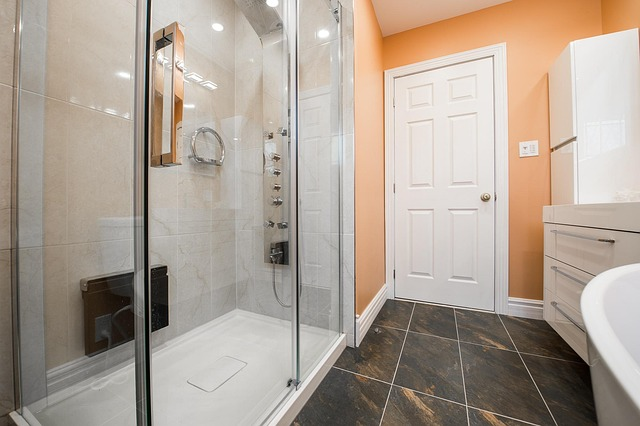
Older homes in North York carry a lot of charm — solid construction, generous room sizes, and character you don't often find in newer builds. But their bathrooms often tell a different story: outdated plumbing, cramped layouts, worn tile, and fixtures that haven't been touched in decades. If you own one of these homes, a thoughtful renovation can modernize the space while respecting its original character. Below is a practical guide to planning bathroom renovations north york homeowners can rely on, written from real project experience and industry best practices.
Understanding the Unique Challenges of Older Homes
Homes built before the 1980s in neighborhoods like Willowdale, Newtonbrook, and Bayview Village often have plumbing and structural quirks that newer builds don't. Galvanized steel or cast iron pipes may be corroded or narrowed, electrical wiring may not meet current code for bathroom-safe circuits, and subfloors can be uneven or water-damaged from years of small leaks. Before any design decisions are made, an experienced contractor will assess:
- The condition of supply and drain lines
- Whether the electrical panel can support GFCI outlets and proper ventilation fans
- Subfloor integrity, especially around tubs, toilets, and shower stalls
- Load-bearing walls if the layout is being reconfigured
Catching these issues early prevents costly surprises mid-project and is one of the clearest signs of working with a genuinely experienced renovation team rather than one just replacing surface finishes.
Layout Ideas That Respect the Home's Original Structure
Many older North York homes have smaller, segmented bathrooms compared to today's open layouts. Rather than tearing down walls (which can be expensive and structurally risky), consider these approaches:
Reconfiguring Fixture Placement
Sometimes simply relocating the toilet or vanity within the existing footprint creates a noticeably better flow, without touching plumbing stacks that run through multiple floors.
Converting a Tub to a Walk-In Shower
Older homes often have deep, heavy cast-iron tubs. Swapping one for a curbless or low-threshold shower can make the bathroom feel larger and is especially valuable for aging-in-place planning.
Borrowing Space from Adjacent Closets
If a bathroom backs onto a hallway closet or a small linen closet, borrowing a foot or two of space can be enough to fit a double vanity or a more comfortable shower.
Preserving Character While Modernizing Finishes
One of the best parts of renovating an older home is blending vintage character with modern function. Popular approaches include:
- Restoring or replicating original tile patterns — hexagon or subway tile in updated colors keeps a period-appropriate look
- Matte black or brushed brass fixtures that echo mid-century or early post-war design details
- Wainscoting or beadboard paired with contemporary vanities for a transitional feel
- Heated flooring installed under new tile, which solves the classic "cold older-home bathroom floor" problem without changing the aesthetic
Addressing Moisture, Ventilation, and Mold Concerns
Older bathrooms in North York frequently lack proper exhaust ventilation, which leads to trapped humidity, peeling paint, and mold behind walls. A renovation is the ideal time to:
- Install a properly vented exhaust fan (ducted to the exterior, not just into the attic)
- Add moisture-resistant drywall or cement board behind tile
- Waterproof shower pans and tub surrounds with modern membrane systems
- Improve grading or caulking around windows if the bathroom has one
These upgrades aren't glamorous, but they're often the difference between a renovation that lasts 20+ years and one that needs repairs within five.
Budgeting Realistically for an Older Home
Because of the hidden-condition factors mentioned above, renovation budgets for older homes should include a contingency — typically 15–20% of the total project cost — for unexpected plumbing, electrical, or structural work uncovered once walls are opened. Homeowners planning bathroom renovations north york contractors regularly handle should ask for a detailed scope of work that separates cosmetic upgrades from necessary infrastructure repairs, so they understand exactly what they're paying for and why.
Choosing the Right Renovation Partner
Given the added complexity of working with older housing stock, it's worth choosing a contractor who can demonstrate:
- Experience with pre-1980s North York homes specifically, not just general renovation work
- Permits and code knowledge, since municipal requirements around ventilation, electrical, and plumbing can differ from what was standard decades ago
- Clear communication about what's cosmetic versus what's a safety or structural necessity
- References or past project photos from similar homes in the area
A qualified team will walk you through inspection findings honestly, rather than upselling unnecessary work or glossing over real issues.
Final Thoughts
Renovating a bathroom in an older North York home is as much about problem-solving as it is about design. By addressing plumbing, electrical, and moisture issues early, choosing fixtures and finishes that respect the home's era, and budgeting for the unexpected, homeowners can end up with a bathroom that's both beautiful and built to last. Whether you're updating a small powder room or reimagining a primary ensuite, working with a team experienced in bathroom renovations north york homes require will make the process smoother and the results longer-lasting.







Comments (0)