

How to Select the Right Cabinet Colors for Your Kitchen
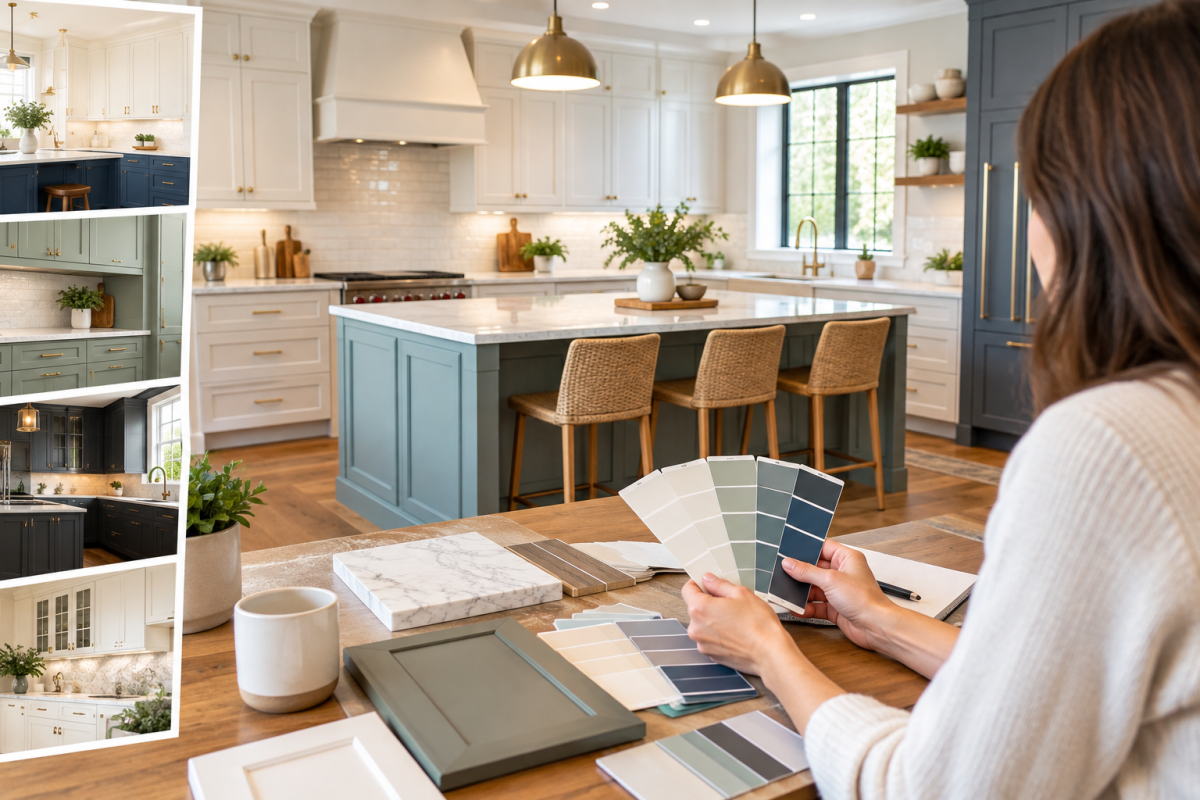
Choosing a cabinet color can completely change the personality of a kitchen. Cabinets take up a large amount of visual space, so the shade you choose can make the room feel brighter, warmer, larger, more modern, or more traditional. That is why it is worth looking beyond current trends and thinking about how a color will work with your home's existing features.
Whether you are refreshing an older kitchen or planning a larger renovation, working with an experienced Painting Company Southampton NY can help you achieve a finish that looks intentional and lasts. The right color is only part of the equation; preparation, paint quality, application technique, and the condition of the cabinets all have an impact on the final result.
Start With the Kitchen You Already Have
Before looking at paint chips, take a good look around your kitchen. Your cabinets need to work with the elements that are staying in place, including countertops, backsplash, flooring, appliances, hardware, and wall color.
For example, a kitchen with warm wood flooring and cream-colored countertops may work beautifully with soft white, beige, sage, or muted blue cabinets. A space with cooler gray flooring and stainless-steel appliances might suit crisp white, charcoal, blue-gray, or other cooler shades.
You do not necessarily need everything to match. In fact, kitchens often look more interesting when different finishes complement rather than duplicate one another.
Consider How Much Natural Light You Have
Lighting can dramatically change how cabinet paint looks.
A color that appears soft and inviting in a showroom may look considerably darker in a kitchen with limited natural light. Likewise, a strong color can become much brighter in a room with large windows and plenty of sunshine.
Pay attention to how sunlight moves through the room during the day. If your kitchen receives little natural light, lighter cabinet colors can help create a more open atmosphere. If the space is already bright, you have more freedom to experiment with medium or deeper shades.
It is also important to consider your artificial lighting. Warm bulbs can make certain colors appear creamier or more yellow, while cooler lighting can emphasize blue and gray undertones.
Decide Between Light and Dark Cabinets
Light-colored cabinets remain popular because they can make a kitchen feel clean, spacious, and welcoming. White, ivory, cream, and pale gray can work particularly well in smaller kitchens or rooms where you want to maximize the feeling of openness.
Dark cabinets create a completely different effect. Navy, deep green, charcoal, and other rich colors can add depth and sophistication. They can also make a large kitchen feel more grounded.
There is no universal rule that says one option is better. The best choice depends on the size of your kitchen, available light, surrounding finishes, and the atmosphere you want to create.
Think About the Style of Your Home
Your cabinet color should feel connected to the overall character of your house.
Traditional homes may lend themselves to warm whites, muted greens, creamy neutrals, or classic blues. Contemporary kitchens can accommodate stronger contrasts, sleek grays, deep charcoal, or dramatic two-tone combinations.
That does not mean you have to follow a strict design category. Mixing traditional architecture with updated cabinet colors can create a fresh look while preserving the character of the home.
The key is balance. If your kitchen already has several strong design elements, a quieter cabinet color may prevent the space from feeling visually crowded.
Don't Ignore the Countertops and Backsplash
Countertops and backsplashes should play a major role in your decision.
If your countertop has prominent veining or multiple colors, consider a cabinet shade that complements rather than competes with it. With a simple countertop, you may have more room to make the cabinets the focal point.
For example, a soft neutral cabinet can allow a detailed marble backsplash to stand out. Conversely, a colorful cabinet may work best alongside simpler surrounding finishes.
Take physical samples into the kitchen whenever possible. Looking at a small color card under store lighting does not tell you how the shade will interact with your actual surfaces.
Test Before You Commit
One of the easiest ways to avoid disappointment is to test your preferred colors before painting every cabinet.
Choose several shades that are close to what you have in mind and apply samples to an inconspicuous cabinet door or a removable sample board. Observe them at different times of day.
Ask yourself:
- Does the color still look good in morning light?
- How does it appear under evening lighting?
- Does it complement the countertop?
- Does it work with the flooring?
- Does it make the room feel too cold or too dark?
- Will you still enjoy the shade several years from now?
Giving yourself time to live with the samples can reveal differences that are easy to miss when making a quick decision.
Think About Durability, Not Just Color
A beautiful cabinet color will not deliver the desired result if the paint does not hold up to everyday kitchen use.
Cabinets are exposed to fingerprints, grease, moisture, cooking heat, and frequent cleaning. Proper preparation is therefore just as important as choosing the right shade.
Before painting, cabinets may need to be cleaned, lightly sanded, repaired, primed, and properly prepared for the selected coating. Doors and drawers should also be handled carefully to achieve a consistent finish.
For homeowners considering Kitchen Cabinet Repainting Southampton NY, professional preparation can make a significant difference in both appearance and durability. A smooth, properly prepared surface allows the new color to look cleaner and more uniform.
Consider Two-Tone Cabinet Colors
You do not have to choose a single color for the entire kitchen.
Two-tone cabinets can add dimensions without requiring complete redesigning. One common approach is to use a lighter shade on upper cabinets and a darker shade on lower cabinets. Another option is to use a distinctive color on the island while keeping the surrounding cabinetry neutral.
This approach can be especially effective when you want some personality without making the entire kitchen feel overwhelming.
Keep the number of major colors under control. Cabinets, walls, countertops, flooring, backsplash, and accessories all contribute to the overall palette.
Think Beyond Current Trends
Trendy colors can be appealing, but kitchen cabinets are a long-term investment. A shade that is everywhere today may not feel as fresh several years from now.
If you love a current trend, there is nothing wrong with using it. Just consider whether it genuinely suits your home and personal taste.
Timeless shades such as warm white, soft gray, muted blue, natural green, and understated beige can provide flexibility. You can always introduce stronger trends through hardware, lighting, artwork, bar stools, or other easier-to-change details.
Make the Color Work for Your Lifestyle
Your ideal cabinet color should also make sense for how you actually use your kitchen.
Very light finishes can create a bright, airy appearance but may make fingerprints or spills more noticeable. Extremely dark finishes can provide dramatic contrast but may also highlight dust and certain marks.
If your kitchen is busy every day, consider how much maintenance you are comfortable with. A practical color and finish can make the space easier to live with while still looking polished.
Final Thoughts
Selecting a cabinet color is more than picking a shade you like on a paint card. The best choice considers lighting, kitchen size, countertops, flooring, backsplash, architectural style, maintenance, and the overall feeling you want the room to have.
Take your time, test samples, and think about how the color will look throughout the day. Most importantly, choose something that feels right for your home rather than simply following the latest design trend.
If new cabinet colors inspire you to make additional improvements, they can also become the starting point for a broader transformation. Whether you are updating one room or considering Whole Home Remodeling Southampton NY, thoughtful color choices can help create a home that feels cohesive, comfortable, and distinctly on your own.
DiNome Custom Painting, Inc. provides professional residential, commercial, and industrial painting services in Southampton, NY, delivering high-quality craftsmanship, weather-resistant finishes, and reliable project management. Know more: https://dinomepaintingservices.com/







Comments (0)