

Eco-Friendly Tissue Paper: Sustainable Choices for Modern Homes
Eco-friendly tissue paper offers modern households a practical way to reduce waste while maintaining comfort, hygiene, softness, and everyday convenience.
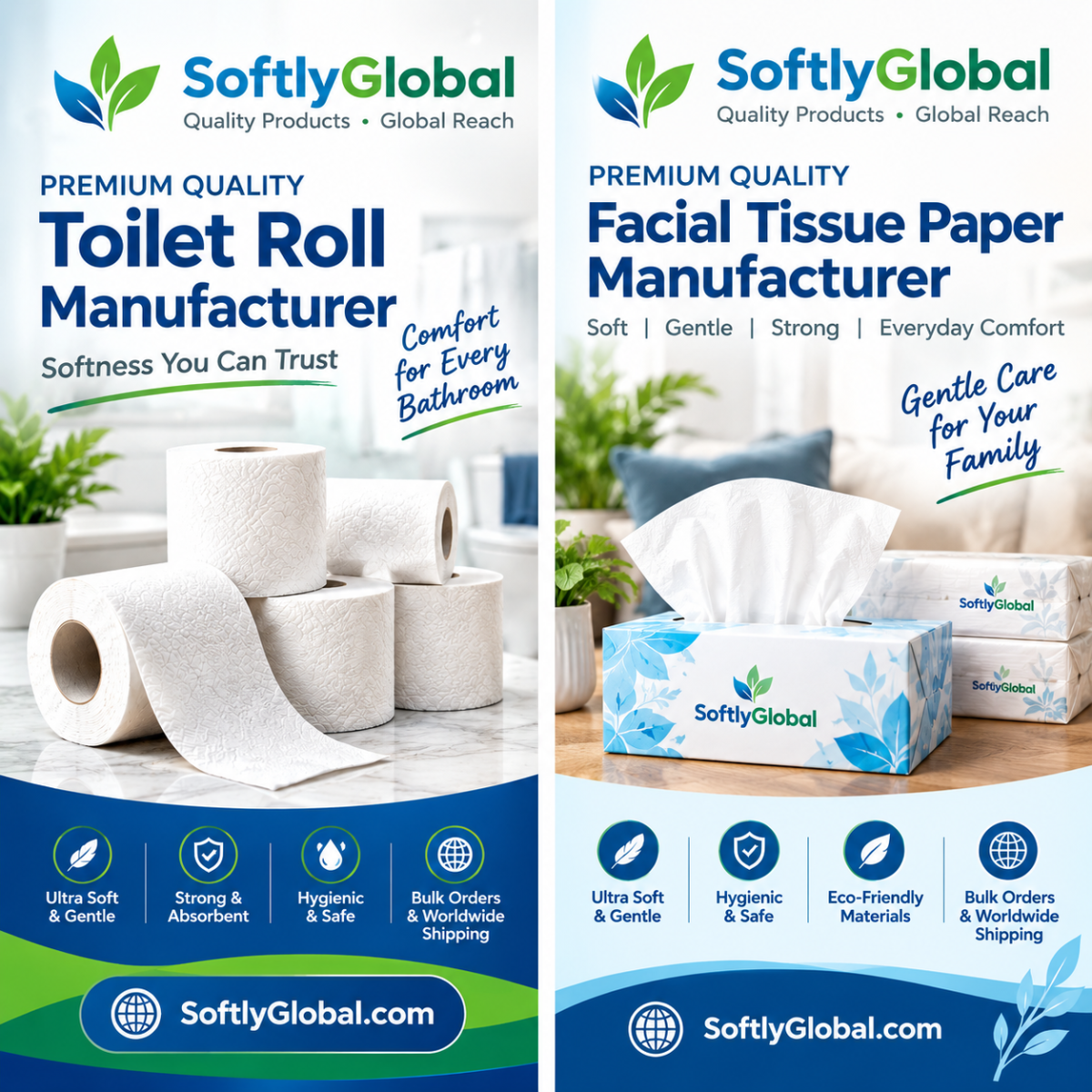
Eco-friendly tissue paper offers modern households a practical way to reduce waste while maintaining comfort, hygiene, softness, and everyday convenience.
What Is Eco-Friendly Tissue Paper?
Eco-friendly tissue paper is produced with environmental considerations across its materials, manufacturing, packaging, and distribution. Depending on the product, recycled fibers, responsibly sourced virgin fibers, or a combination of materials may be used.
For consumers, the goal is simple. A tissue should perform its intended function while unnecessary environmental impact is reduced. Therefore, softness should not be the only purchasing factor.
Modern buyers are also looking at fiber sourcing, packaging, manufacturing practices, certifications, recyclability, and product durability. As a result, tissue selection has become more informed in many markets.
Why Sustainable Tissue Products Matter
Tissue products are used frequently in homes, workplaces, schools, hotels, restaurants, healthcare environments, and public facilities. Because usage is repeated, product selection can have a meaningful effect on material consumption.
However, sustainability should not be judged by a single feature. A product described as eco-friendly should be evaluated across its complete supply chain.
For example, a tissue may contain recycled fiber but use excessive plastic packaging. Another product may use responsibly sourced virgin fiber with efficient packaging. Both can have different environmental characteristics.
Therefore, consumers and businesses should examine the complete product specification before purchasing.
Choosing the Right Facial Tissue Paper
Facial tissue paper is commonly used for personal hygiene, cleaning, wiping, and everyday household needs. It is usually designed to provide a balance between softness and strength.
The right product depends on the intended application. A household may prefer a soft product for regular personal use. An office may require stronger and more economical packs. A hotel may prefer premium presentation and individually convenient packaging.
When comparing facial tissues, buyers should consider:
-
Fiber composition
-
Number of plies
-
Sheet dimensions
-
Basis weight
-
Softness
-
Strength
-
Absorbency
-
Packaging
-
Certifications
-
Fragrance or fragrance-free options
-
Skin-sensitivity requirements
-
Recycled content
-
Supplier sustainability practices
These factors can be compared before a purchase is finalized.
Softness and Comfort
Softness is one of the most important characteristics of facial tissue. A comfortable product is particularly useful when tissues are used frequently.
Soft tissue paper can be produced with carefully selected fibers and appropriate manufacturing processes. However, softness should be balanced with strength.
Ultra soft tissues may be preferred for sensitive everyday use. Meanwhile, stronger grades may be selected for cleaning and general household applications.
A gentle facial tissue can also be useful for consumers who prefer a softer product for regular personal use. However, claims relating to skin sensitivity should be supported by appropriate product testing and documentation.
Hypoallergenic Tissue Paper
Some consumers actively search for hypoallergenic tissue paper. This type of product may be preferred by people who want to reduce exposure to fragrances, dyes, or other unnecessary additives.
However, the term “hypoallergenic” should be used carefully. It does not mean that a product can never cause irritation. Individual sensitivity varies.
For this reason, buyers should review the product specification and manufacturer information. Fragrance-free and dermatologically tested options may also be considered where appropriate.
Absorbency and Strength
An absorbent facial tissue can be useful for wiping moisture and handling everyday spills. At the same time, the sheet should provide sufficient strength for normal use.
Multi ply facial tissue is commonly selected when greater softness, thickness, or strength is required. Two-ply and three-ply products can offer different performance characteristics.
Buyers should not assume that more plies automatically mean better quality. The fiber type, manufacturing process, basis weight, and sheet construction also influence performance.
Therefore, samples should ideally be tested before large commercial orders are placed.
Recycled and Responsibly Sourced Fibers
Fiber sourcing is an important part of sustainable tissue purchasing. Recycled fiber can help make use of recovered paper materials. Responsibly sourced virgin fiber can also be used when managed forestry and recognized sourcing standards are followed.
The appropriate choice depends on the product specification and target market.
For example, some retailers may prefer high recycled content. Others may prioritize softness and strength while requiring responsibly sourced materials.
Documentation should therefore be requested from suppliers. Relevant environmental certifications can help buyers verify specific claims.
Packaging Matters Too
The environmental profile of a tissue product is not limited to the tissue itself. Packaging should also be considered.
Traditional packaging can contain plastic or multiple material layers. Depending on the market and packaging design, recyclable paper-based alternatives may be available.
For retail products, boxed facial tissue can provide convenient dispensing and attractive shelf presentation. Pocket facial tissue can provide portability for travel, commuting, schools, and outdoor activities.
For large-volume users, simplified packaging can sometimes reduce unnecessary material consumption.
Facial Tissues for Modern Homes
Facial tissues are used throughout modern households. They can be placed in bedrooms, bathrooms, kitchens, living rooms, vehicles, and home offices.
Home tissue paper should therefore provide a practical combination of comfort, strength, absorbency, and value.
Everyday facial tissue is often selected for general household use. Premium facial tissue may be preferred when additional softness, presentation, or specialized features are required.
The purchasing decision should be based on actual usage rather than packaging claims alone.
Tissue Paper Sheets and Sheet Size
Tissue paper sheets are available in different dimensions. Sheet size can influence consumption because a larger sheet may provide more coverage during use.
Businesses should compare sheet dimensions when evaluating suppliers. A cheaper pack may not always provide better value if it contains smaller sheets or fewer usable sheets.
For commercial buyers, specifications should clearly identify sheet dimensions, ply, pack count, carton quantity, and total tissue weight.
This makes supplier comparison easier.
Bathroom Tissue Paper and Facial Tissue Are Different
Bathroom tissue paper and facial tissue are designed for different applications. Although both are tissue products, their specifications and intended uses can differ.
Facial tissue is generally designed with greater emphasis on softness and facial comfort. Bathroom products are designed for toilet and bathroom applications.
Therefore, consumers should use products according to their intended purpose.
For manufacturers and wholesalers, product descriptions should also be accurate. Clear labeling helps buyers select the correct product.
Office Tissue Paper
Office tissue paper is used in reception areas, meeting rooms, washrooms, employee areas, and common spaces.
For offices, cost and convenience are often important. However, hygiene and user comfort should not be ignored.
Bulk packs can be practical for companies with high consumption. Larger cartons can reduce the frequency of purchasing and may simplify inventory management.
For offices in cities such as New York, London, Sydney, Paris, Berlin, Manchester, Melbourne, Amsterdam, and Madrid, local availability and delivery costs should also be considered.
Pocket Facial Tissue for Travel
Pocket facial tissue provides a convenient option for commuters and travelers. Small packs can easily be carried in handbags, backpacks, vehicles, and luggage.
The product is particularly useful in urban environments. Consumers in New York, Los Angeles, Chicago, London, Birmingham, Manchester, Sydney, Melbourne, Paris, Milan, Madrid, and Amsterdam can benefit from convenient portable formats.
For retailers, pocket packs can also be sold through convenience stores, supermarkets, pharmacies, travel outlets, and ecommerce platforms.
Buying Facial Tissue Paper Online
Consumers and businesses increasingly buy facial tissue paper online. Online purchasing provides access to different brands, specifications, pack sizes, and price points.
Before ordering, buyers should check the sheet count, ply, dimensions, packaging, material composition, and shipping terms.
For larger requirements, direct supplier purchasing may provide more flexibility.
Businesses should also request product samples before placing substantial orders. This is particularly important for wholesale customers because quality expectations can vary by market.
Bulk Facial Tissue Paper Purchasing
Bulk facial tissue paper can be useful for offices, hotels, restaurants, healthcare facilities, retailers, distributors, and large households.
Bulk purchasing may reduce the cost per pack when suitable quantities are ordered. However, storage requirements should also be considered.
A commercial buyer should calculate expected monthly consumption before ordering. This helps prevent excessive inventory and unnecessary storage costs.
Bulk orders can also be customized in some cases. Private labeling, carton configuration, sheet dimensions, pack design, and packaging specifications may be discussed with the supplier.
Wholesale Facial Tissue Paper
Wholesale facial tissue paper is commonly purchased by distributors, retailers, importers, hospitality companies, and institutional buyers.
A wholesale buyer should evaluate more than the quoted unit price. Product consistency, carton strength, packaging, delivery schedule, documentation, payment terms, and quality control can have a major effect on total purchasing value.
A supplier comparison should include:
-
Product specifications
-
Minimum order quantity
-
Price per carton
-
Price per pack
-
Number of sheets
-
Ply configuration
-
Fiber composition
-
Packaging type
-
Private-label availability
-
Production capacity
-
Lead time
-
Shipping terms
-
Quality inspection
-
Certifications
-
Payment methods
This process can reduce purchasing risks.
Discount Tissue Paper for Large Orders
Discount pricing may be offered when larger quantities are purchased. However, buyers should compare the effective cost rather than focusing only on the advertised discount.
For example, the total cost should include product price, packaging, shipping, customs duties where applicable, payment charges, and storage.
A supplier offering a lower unit price may not necessarily provide the lowest landed cost.
Therefore, a complete quotation should be requested before an international order is confirmed.
Sustainable Tissue Products for the USA
The USA represents a large consumer market for household and commercial tissue products. Major cities such as New York, Los Angeles, Chicago, Houston, Phoenix, Philadelphia, San Antonio, San Diego, Dallas, and Seattle have diverse retail, hospitality, office, and institutional demand.
American buyers can compare recycled-content products, responsibly sourced products, premium facial formats, bulk cartons, and retail packs according to their requirements.
For ecommerce sellers and distributors, clear product specifications can help customers understand sustainability claims.
Sustainable Tissue Products for the UK
The UK market includes strong demand across London, Birmingham, Manchester, Liverpool, Leeds, Bristol, Glasgow, Edinburgh, and other major urban areas.
UK buyers may evaluate recyclable packaging, recycled content, responsible sourcing, product quality, and supplier documentation.
For retailers and distributors, compact packaging and efficient carton design can also be useful. Meanwhile, hospitality businesses may prefer premium products that combine sustainability with presentation.
Sustainable Tissue Products for Australia
Australian demand is distributed across major cities such as Sydney, Melbourne, Brisbane, Perth, Adelaide, Canberra, Gold Coast, and Newcastle.
Because logistics can be important across Australia's large geographic area, bulk purchasing should be planned carefully.
Retailers and commercial buyers can compare carton sizes, shipping costs, packaging efficiency, and storage requirements before selecting a supplier.
Sustainable packaging can also support brands that want to communicate environmentally responsible purchasing decisions.
Sustainable Tissue Products Across Europe
European markets include major commercial centers such as Paris, Berlin, Rome, Madrid, Barcelona, Amsterdam, Brussels, Vienna, Lisbon, Copenhagen, Stockholm, and Dublin.
Requirements can vary between countries. Therefore, suppliers should provide accurate documentation for material composition, product specifications, packaging, and relevant certifications.
For European distributors, multilingual packaging and market-specific labeling may also be considered.
The wider European market can therefore provide opportunities for sustainable tissue manufacturers, wholesalers, importers, and private-label businesses.
How Businesses Can Reduce Tissue Waste
Sustainability is not only about purchasing recycled tissue. Consumption habits also matter.
Businesses can reduce waste by selecting appropriately sized sheets, using controlled dispensing systems, improving storage, and educating staff about responsible usage.
Hotels and offices can also monitor consumption. Monthly usage data can reveal unusual increases and help identify potential waste.
In addition, product specifications should be matched with the actual application. Using an unnecessarily high-specification product for every task can increase costs without providing meaningful additional value.
Sustainable Tissue for Hospitality Businesses
Hotels, restaurants, cafes, and serviced apartments require reliable tissue supplies. Quality and presentation are often important because products can be visible to customers.
Premium facial tissue can be placed in guest rooms, reception areas, restaurants, and offices. Bulk purchasing can then be used to maintain consistent inventory.
Hospitality businesses can also request customized packaging and private labeling from suitable manufacturers.
For international hotel groups, standardized specifications can help maintain consistent product quality across multiple locations.
Private Label and Wholesale Opportunities
Private-label tissue products can be useful for supermarkets, ecommerce sellers, distributors, hotel groups, and established brands.
A manufacturer may provide customized packaging, branding, carton quantities, and product configurations.
However, private-label projects should be carefully planned. Packaging artwork, minimum quantities, production lead times, compliance requirements, and shipping arrangements should be agreed upon before production begins.
Samples should also be approved before full-scale manufacturing.
Crypto Payments for International Tissue Orders
International suppliers may offer multiple payment methods. Depending on the supplier and transaction structure, options can include bank transfers, cards, online payment platforms, or cryptocurrency.
Some businesses accept Bitcoin or selected stablecoins such as USDT for international transactions. Crypto payments can provide another option for buyers who already use digital assets for cross-border business transactions.
However, payment terms should always be confirmed directly with the supplier. Buyers should verify invoices, wallet details, transaction amounts, shipping documents, and refund policies before transferring funds.
How to Select a Sustainable Tissue Supplier
Supplier selection should be based on documented quality and service capabilities.
A reliable supplier should be able to provide clear specifications and answer questions about fiber sourcing, production, packaging, quality control, certifications, order quantities, and delivery.
Before placing a large order, buyers should request samples and evaluate:
-
Softness
-
Strength
-
Absorbency
-
Ply consistency
-
Sheet dimensions
-
Packaging quality
-
Carton durability
-
Product appearance
-
Odor
-
Label accuracy
For international purchasing, shipping and import requirements should also be reviewed.
Conclusion
Eco-friendly tissue paper can provide a practical balance between everyday hygiene, comfort, performance, and more responsible purchasing. However, sustainability should be evaluated across the entire product rather than through one marketing claim.
Facial tissue paper, soft tissue paper, pocket facial tissue, boxed facial tissue, and other formats can be selected according to household and commercial needs. At the same time, fiber sourcing, ply, absorbency, packaging, certifications, and supplier practices should be considered.
For businesses, bulk facial tissue paper and wholesale facial tissue paper can provide purchasing flexibility. Discounts may also be available for larger quantities, although total landed cost should always be compared.
Across the USA, UK, Australia, and Europe, demand for practical and responsibly produced tissue products creates opportunities for retailers, distributors, hospitality businesses, offices, and households.
Ultimately, the best purchasing decision is based on transparent specifications, verified sustainability information, consistent quality, and reliable supply. When these factors are considered together, tissue products can be made more suitable for modern homes and businesses while supporting more responsible consumption.

When it comes to personal care and hygiene, a reliable facial tissue paper supplier and exporter plays a crucial role in delivering quality and comfort worldwide. From facial tissues used in daily routines to specialized soft tissue paper, these suppliers cater to diverse markets, including homes, offices, and hospitality sectors. A top-tier supplier ensures that their disposable facial tissue meets high standards of strength and absorbency. Whether offering paper tissues for a quick cleanup or a dedicated face tissue for sensitive skin, the focus is always on user experience. Their product range typically includes tissue paper sheets that are gentle facial tissue and often hypoallergenic tissue paper, making them ideal for allergy sufferers or those with delicate skin. Many exporters prioritize ultra soft tissues that do not irritate, alongside absorbent facial tissue capable of handling spills or sneezes without tearing. Variety is key. Suppliers stock multi ply facial tissue for extra durability and white tissue paper that signifies purity and cleanliness. While bathroom tissue paper serves a different purpose, the same facility might produce home tissue paper and office tissue paper in convenient formats like pocket facial tissue for portability or boxed facial tissue for stationary use. For discerning buyers, premium facial tissue offers luxury with enhanced softness and strength, while everyday facial tissue provides value for regular use. As an exporter, adhering to global quality standards ensures these products arrive intact and ready for retail or commercial distribution. By combining innovation with hygiene, a trusted facial tissue paper supplier meets the growing demand for convenient, gentle, and eco-conscious disposable options across international markets.






Comments (0)