

How to Build a Gallery Wall Using Vintage Car Posters
Create a balanced gallery wall with vintage car posters using smart spacing, frame choices, color planning, and layout tips for garages, offices, and man caves.

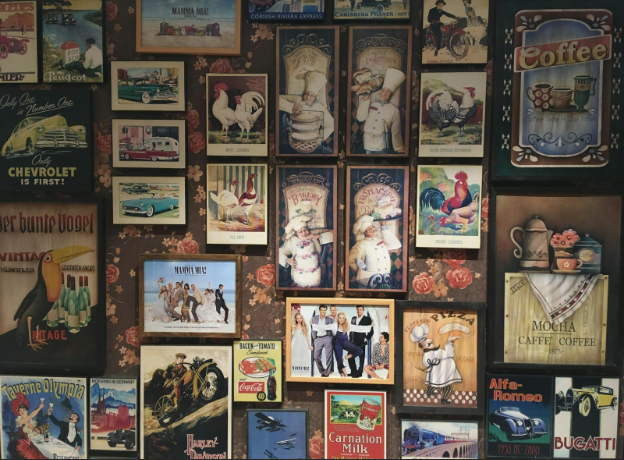
A blank garage, office, or man cave can feel unfinished even when the furniture is right. A gallery wall changes that by turning separate automotive prints into one connected display. The goal is not to cover every inch of wall space. It is to create a layout that feels intentional, balanced, and personal. With the right mix of sizes, frames, colors, and spacing, vintage car posters can become the main visual feature without making the room feel crowded. Here is how to build the arrangement step by step:
Key Takeaways
-
Start with one anchor poster and build the layout around it.
-
Repeat colors, frame finishes, or eras to connect different automotive brands.
-
Test the complete arrangement before putting holes in the wall.
Guide to Building a Balanced Gallery Wall with a Vintage Car Poster
-
Choose an Anchor Poster
Start with the print that deserves the most attention. It might be the largest piece, the boldest design, or the poster with the strongest personal connection. Place it near the visual center rather than automatically putting it in the exact middle.
Use that anchor to guide the rest of your vintage car poster. Repeat one or two colors from it in nearby pieces. This gives different prints a visual relationship without forcing every piece to match.
-
Mix Brands Carefully
Variety gives a gallery wall character, but unrelated styles can quickly make it look random. Mix manufacturers, model years, racing graphics, and dealership advertisements around one shared feature, such as color, typography, era, or frame finish.
For example, Buick art prints with softer mid-century tones can work beside darker Mercury decor when both use similar borders, lettering, or frame colors. The goal is not to create a matching set. Instead, you want individual pieces to feel different while still belonging to the same collection.
-
Balance Different Sizes
A wall filled with identical frame sizes can look rigid. At the same time, too many unrelated dimensions can make the display feel unsettled. Use one larger anchor, several medium pieces, and a few smaller prints to fill narrower spaces.
A tall piece of dodge wall art, for instance, can balance a wider horizontal poster when the surrounding spacing remains consistent. Try to keep the outside edges of the full arrangement reasonably controlled. A loose rectangular shape often works well because it gives different poster dimensions a clear visual boundary.
-
Keep Spacing Consistent
Uneven gaps can make attractive artwork look poorly arranged. Rather than judging each space separately, choose one general gap and repeat it across most of the gallery. That consistency helps the eye read several frames as a single display.
Before hanging anything, arrange the framed pieces on the floor. You can also make paper templates matching each frame and tape them to the wall. This gives you a chance to check height, spacing, and balance before drilling or adding picture hooks. Making small changes is much easier before the vintage car poster is installed.
-
Use Simple Frames
Frames should support the posters rather than compete with them. Black, dark wood, brushed metal, and simple natural wood finishes generally sit comfortably beside vintage automotive colors and illustrations.
The frames do not need to be identical. A Chevrolet décor print in a slim black frame can still work beside a heavier wood frame when the overall palette stays controlled. If the posters already contain bold colors, large lettering, or detailed advertising graphics, simpler frames keep attention on the artwork rather than the border around it.
-
Fit the Room
The layout should respond to the space where it will hang. A garage can handle stronger contrasts, tighter arrangements, and industrial frame finishes. An office often benefits from more breathing room, while a man cave can combine both approaches depending on the furniture and other memorabilia.
Also consider what sits below the wall. A desk, workbench, sofa, or storage cabinet creates a natural width for the display. Keeping vintage car posters within a similar visual span helps the artwork feel connected to the room instead of floating on an oversized wall.
-
Bring the Collection Together
A successful automotive gallery wall is less about matching every piece and more about creating visual connections. Start with one strong poster, repeat a few colors or frame finishes, vary sizes with control, and maintain steady spacing. Before considering the wall finished, step back and check whether one side looks heavier, darker, or more crowded than the other.
When vintage car posters are arranged with purpose, different manufacturers and automotive eras can sit together comfortably. The finished wall feels collected and personal while keeping the focus on automotive design rather than simply filling empty space.
Conclusion
A balanced automotive gallery wall comes together when every piece has a clear role. Start with one strong vintage car poster, then build around it using consistent spacing, complementary frame finishes, and a controlled mix of sizes. Different brands and eras can work well together when repeated colors, typography, or materials create a visual connection.
The final step is to view the wall from across the room and make small adjustments before calling it finished. When the arrangement feels balanced rather than crowded, vintage car posters can turn an ordinary garage, office, or man cave into a space that feels personal, intentional, and complete.
FAQs
Should every poster use protective glazing?
Not necessarily. Acrylic is lighter for garage spaces, while quality glass works well where framed artwork is less likely to be bumped.
Can I add automotive memorabilia between posters?
Yes. Small signs, badges, or framed objects can add depth when they support the theme without making the display feel crowded.
Can the gallery wall grow over time?
Yes. Leave one or two open edges so future artwork can be added without requiring the entire arrangement to be rebuilt.
What works on brick or concrete walls?
Use anchors and hanging hardware designed for the wall material and frame weight rather than relying on light-duty adhesive strips.
Should vintage posters be restored before framing?
That depends on the condition and value. For genuinely old pieces, consult a paper conservator before cleaning, flattening, trimming, or repairing them.






Comments (0)