

Best Soldering Accessories for Precision Electronics Work
Explore the best soldering accessories for PCB repair, electronics assembly, precision soldering, and efficient workstation maintenance.

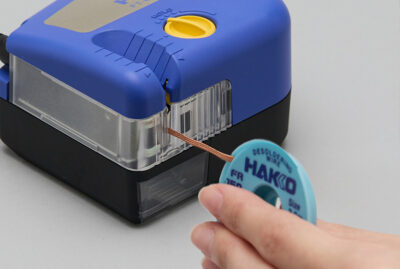
Choosing the best soldering accessories is essential for achieving accurate solder joints, maintaining consistent performance, and improving efficiency in electronics assembly and repair. Whether you work with printed circuit boards (PCBs), electronic components, or industrial electronic equipment, the right accessories can make soldering tasks easier and more reliable.
Soldering involves more than just a soldering iron and solder wire. Accessories such as soldering tips, flux, desoldering tools, cleaning materials, and ESD-safe equipment support different stages of the soldering process. Understanding their functions helps technicians and electronics manufacturers select suitable tools for their applications.
Why Are Soldering Accessories Important?
Soldering accessories support precision, safety, and quality during electronic assembly and repair. Using appropriate tools helps technicians manage heat, control solder flow, remove excess solder, and prevent damage to sensitive components.
The right accessories can help:
- Improve solder joint quality and consistency.
- Support accurate work on small electronic components.
- Reduce soldering errors and rework.
- Maintain soldering equipment in good condition.
- Improve workflow efficiency in electronics production and repair.
For professional applications, selecting accessories based on component size, soldering requirements, and equipment compatibility is important.
Best Soldering Accessories for Electronics Work
Different accessories serve specific purposes during soldering. The following tools are useful for electronics manufacturing, PCB assembly, and component-level repair.
1. Soldering Tips
Soldering tips transfer heat from the soldering iron to the joint. Their shape and size influence how effectively heat reaches the target area.
Common types include:
- Conical tips: Suitable for detailed work and small solder joints.
- Chisel tips: Provide a larger contact area for general soldering tasks.
- Bevel tips: Help transfer heat efficiently across suitable solder joints.
- Fine-point tips: Useful for delicate components and closely spaced connections.
Choose a tip that matches the component size, required heat transfer, and soldering station model. An unsuitable tip can make soldering difficult and increase the risk of damaging PCB pads.
2. Solder Wire
Solder wire is used to create electrical and mechanical connections between components and circuit boards. It is available in different alloy compositions and diameters for various applications.
When selecting solder wire, consider the following factors:
- Alloy composition and application requirements.
- Wire diameter and component size.
- Flux type and residue requirements.
- Applicable environmental and manufacturing standards.
A suitable solder wire helps create consistent joints while supporting the requirements of the assembly process.
3. Soldering Flux
Flux removes or reduces surface oxides and improves solder wetting. It helps solder flow across suitable metal surfaces, making it an important accessory for reliable soldering.
Common options include rosin-based, no-clean, and water-soluble flux formulations. Each has different process and residue-cleaning requirements.
Before choosing flux, check its compatibility with the solder alloy, PCB materials, and manufacturing process. Follow the manufacturer's instructions for application, cleaning, and handling.
4. Desoldering Pump and Solder Wick
Removing solder is often necessary when replacing components, correcting soldering errors, or repairing circuit boards.
A desoldering pump uses suction to remove molten solder from a joint. Solder wick, also called desoldering braid, absorbs molten solder through capillary action.
Both tools are useful for component removal and PCB repair. A pump can help remove larger amounts of solder, while solder wick is useful for clearing excess solder and cleaning suitable pads. Apply controlled heat to avoid lifting PCB pads or damaging nearby components.
5. Soldering Tip Cleaner and Brass Wool
Clean soldering tips are necessary for effective heat transfer and consistent soldering results. Oxidation and accumulated residue can reduce tip performance.
Tip-cleaning accessories include:
-
Brass wool for removing residue without excessive abrasion.
-
Damp cleaning sponges where recommended by the equipment manufacturer.
-
Tip-tinning products for maintaining suitable tip surfaces.
Regular cleaning and appropriate tip care can extend tip life and reduce interruptions during soldering work.
6. ESD-Safe Accessories
Electrostatic discharge (ESD) can damage sensitive electronic components, sometimes without visible signs of failure. ESD-safe accessories are therefore important in electronics assembly and repair environments.
Useful options include ESD mats, grounding wrist straps, suitable storage materials, and ESD-safe tools. These products should be selected and used as part of a properly designed ESD control programme.
Technicians should follow workplace grounding procedures and verify that protective equipment is functioning correctly.
7. Fume Extraction Equipment
Soldering fumes can contain airborne particles and substances released from flux during heating. Suitable fume extraction helps control exposure by capturing contaminants close to their source.
Depending on the workstation, options may include local extraction arms, bench-mounted extractors, and filtration systems.
Choose equipment based on the type of soldering performed, the number of workstations, and the required airflow. General room ventilation alone may not provide adequate control at the soldering point.
8. Tweezers and Precision Hand Tools
Fine tweezers, cutters, and other precision hand tools help technicians position components, trim leads, and handle small parts during assembly and repair.
ESD-safe tweezers are particularly useful when working with static-sensitive components. Select tools based on tip geometry, material, durability, and the dimensions of the components being handled.
Using the correct hand tools can improve control and reduce the likelihood of accidental damage during delicate work.
How to Choose the Right Soldering Accessories
Selecting accessories based only on price can lead to compatibility issues, inconsistent results, or unnecessary replacement costs. Evaluate the following factors before purchasing:
- Application requirements: Identify whether the accessories will be used for PCB assembly, through-hole soldering, surface-mount technology (SMT), or component-level repair.
- Equipment compatibility: Check whether soldering tips and other attachments are compatible with the existing soldering station.
- Component sensitivity: Small and heat-sensitive components may require finer tips, controlled heating, and appropriate ESD protection.
- Durability and maintenance: Consider the expected service life, cleaning requirements, and availability of replacement parts.
- Safety requirements: Assess the need for fume extraction, ESD controls, and safe handling procedures.
- Supplier support: Choose a supplier that can provide accurate product specifications, technical guidance, and suitable replacement accessories.
Applications of Soldering Accessories
Soldering accessories are used across several electronics-related industries and technical environments.
- Electronics manufacturing: Supports PCB assembly, component installation, and production-line soldering.
- PCB repair laboratories: Helps technicians remove faulty components, correct solder joints, and perform circuit board repairs.
- Research and development: Supports prototype assembly, testing, and modification of electronic circuits.
- Industrial maintenance: Assists with suitable electronic equipment repairs and component replacement.
- Technical training centres: Provides learners with the tools needed to practise soldering and desoldering techniques.
The specific accessories required depend on the complexity of the work, component technology, and quality standards.
Conclusion
The best soldering accessories are those that match your application, equipment, and component requirements. Soldering tips, solder wire, flux, desoldering tools, tip cleaners, ESD-safe equipment, and fume extraction systems each contribute to an effective soldering workflow.
For electronics manufacturers, repair technicians, and PCB assembly professionals, selecting compatible accessories and maintaining them correctly can improve process consistency and support reliable results. Evaluate your technical requirements before purchasing to build a practical and efficient soldering workstation.
Frequently Asked Questions
1. What are the most important soldering accessories?
Essential accessories include soldering tips, solder wire, flux, tip cleaners, desoldering pumps, solder wick, and appropriate safety equipment.
2. Which soldering accessories are required for PCB repair?
PCB repair commonly requires suitable soldering tips, solder wire, flux, tweezers, solder wick, and a desoldering tool. ESD protection is also important for sensitive components.
3. Why is soldering flux used?
Flux helps reduce surface oxides and improves solder wetting, supporting the formation of suitable solder joints.
4. What is the purpose of a soldering tip cleaner?
A tip cleaner removes oxidation and residue, helping maintain effective heat transfer and consistent soldering performance.
5. What is the difference between solder wick and a desoldering pump?
Solder wick absorbs molten solder, while a desoldering pump removes it using suction. Both are used to remove unwanted solder during repair work.
6. Are ESD-safe accessories necessary for electronics work?
Yes. ESD-safe accessories help reduce the risk of electrostatic discharge damaging sensitive electronic components when used within an appropriate ESD control programme.
7. How do I select the right soldering tip?
Choose a tip based on the component size, joint geometry, required heat transfer, and compatibility with your soldering station.
8. Why is fume extraction important during soldering?
Fume extraction captures airborne contaminants near the soldering point, helping reduce worker exposure to soldering fumes.
9. How can soldering accessories improve productivity?
Suitable accessories can improve tool control, simplify component removal, reduce avoidable rework, and support consistent soldering processes.
10. Where can professionals find soldering accessories?
Electronics professionals should look for specialised electronics equipment suppliers that provide product specifications, compatibility information, technical assistance, and replacement accessories.














Comments (0)