How Smart Purchasing Decisions Improve Job Quality
 julialubey
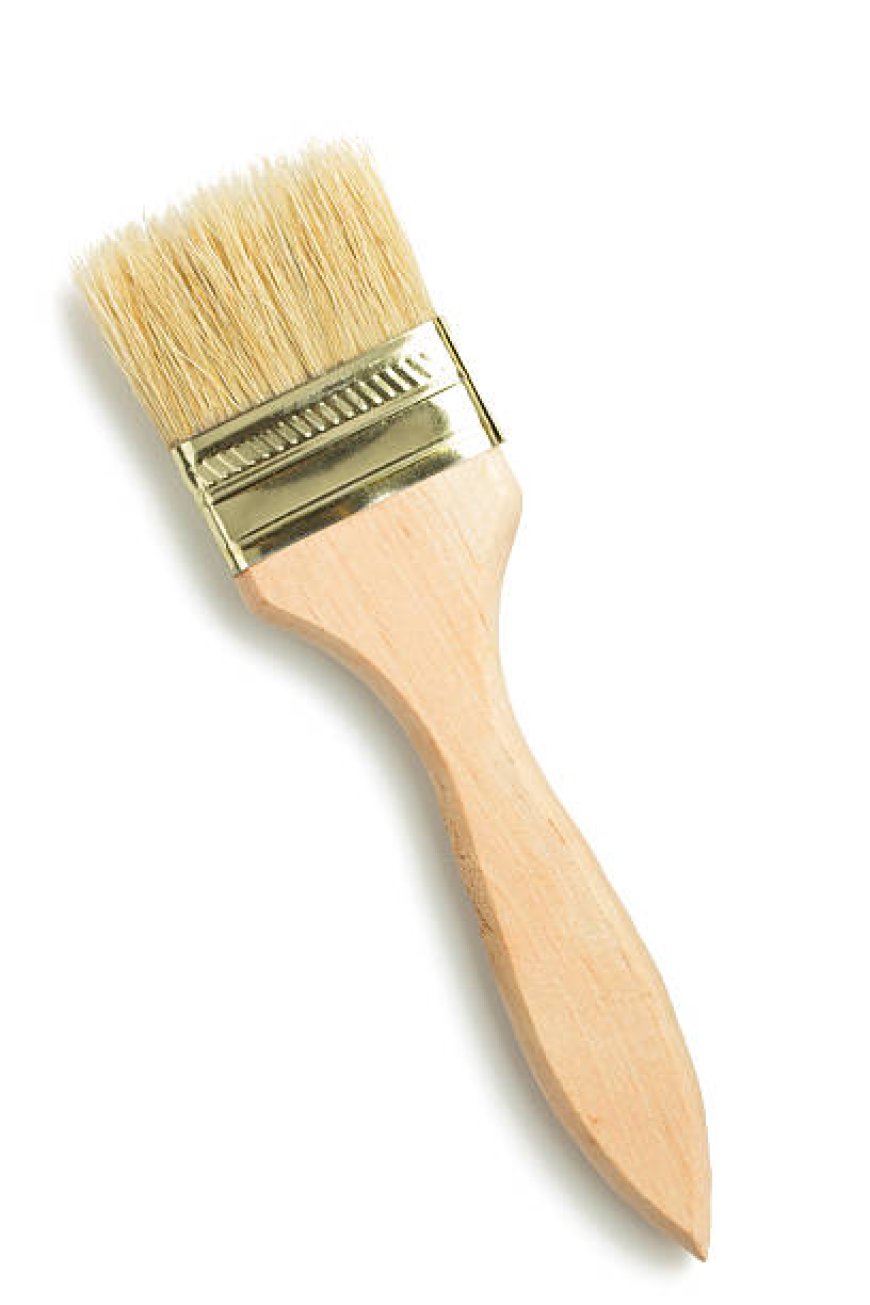
You can have all the skill in the world, but if your materials are junk, the job’s going to show it. Simple as that. I’ve seen guys try to cut corners on supplies and then wonder why the finish looks off or doesn’t last. Somewhere early in my own work, I learned that even something small like a 3 in chip brush can make or break certain tasks. Not everything needs to be premium, sure, but buying smart—that’s different from buying cheap. And yeah, there’s a difference people ignore until it costs them time, money, and reputation.
Why Cheap Purchases Usually Cost More
People love a bargain. I get it. But cheap tools and materials have a way of coming back to bite you. Bristles falling out, rollers shedding lint, uneven coverage—it all adds up. And not just in frustration. You spend more time fixing mistakes than actually moving forward. That’s lost labor right there. A brush that saves you a few bucks upfront might cost you an extra hour on-site. Multiply that across jobs and it’s not even close. Smart purchasing isn’t about spending more blindly, it’s about spending where it actually matters so you don’t pay twice later.
Consistency Comes From Reliable Materials
Here’s something that doesn’t get talked about enough—consistency. Clients notice it, even if they don’t know how to explain it. When your finish looks even, clean, professional every time, that’s not luck. That’s control. And control comes from tools and materials you trust. When you pick up the same brush or roller and know exactly how it’s going to perform, your workflow tightens up. You stop second-guessing. That kind of confidence? It shows in the final result, no question.
The Right Tool Actually Speeds You Up
A lot of folks think better materials slow you down because you have to “be careful” with them. Not true. Good tools move faster because they work with you, not against you. A solid brush holds paint better. A quality roller spreads evenly without constant reloading. You get into a rhythm. And once you’re in that rhythm, productivity jumps without you even trying. It’s not about rushing—it’s about fewer interruptions. Less fixing. Less stopping to deal with problems that shouldn’t exist in the first place.
Small Items Matter More Than You Think
It’s funny, people will invest in big equipment but cheap out on the small stuff. That’s backwards. The little tools are the ones you use constantly. That’s where quality really shows. Take edging work or tight spaces—if your brush isn’t holding shape, you’re fighting it the whole time. Even a basic 3 in chip brush has its place, but you need to pick the right version of it. Not all are equal. Some fall apart halfway through a job, others hold up just fine. Knowing the difference—that’s part of smart purchasing.
Understanding the Job Before You Buy
This is where a lot of mistakes happen. People buy materials without really thinking about the job itself. Different surfaces, different coatings, different conditions—they all need different tools. You wouldn’t use the same setup for a rough exterior wall as you would for a smooth interior finish. Yet people try. And it shows. Smart decisions start before you even step into the store. You look at the job, figure out what it demands, then buy accordingly. Not the other way around.
Durability Affects Final Quality
Let’s talk durability for a second. If your tools wear out mid-job, your finish changes. Pressure changes. Application changes. Suddenly what started as a clean coat turns uneven. That’s not just annoying—it’s visible. Clients might not know why it looks off, but they know something isn’t right. Investing in durable materials keeps your work consistent from start to finish. No drop-off halfway through. No scrambling to adjust.
Smart Buying Builds Long-Term Reputation
This part’s bigger than one job. Every decision you make adds up over time. If your work holds up, people notice. If it doesn’t, they notice that too. And a lot of that comes back to what you used in the first place. Cheap materials fail faster. Finishes degrade. Edges break down. You might save a little upfront, but you lose repeat business. Smart purchasing protects your reputation in a quiet way. No one sees the decision—but they definitely see the result.
Matching Tools to Specialty Work
Now when you get into more specific jobs, the stakes go up. Take coatings, for example. You can’t just grab any roller and hope for the best. You need the best roller for epoxy garage floor work if you want that smooth, durable finish people expect. Epoxy isn’t forgiving. The wrong roller leaves bubbles, streaks, or uneven thickness. And fixing that? Not fun. This is where smart purchasing really shows its value—you choose the right tool for the exact job, not just something “close enough.”
Conclusion
At the end of the day, smart purchasing decisions aren’t flashy. No one’s going to compliment you on the brush you used or the roller you picked. But they will notice the finish. They’ll notice how long it lasts, how clean it looks, how professional the whole job feels. That’s where it pays off. You don’t need the most expensive gear on the shelf, but you do need the right gear. There’s a difference, and once you figure it out, your work levels up. Quietly, but consistently.