

PCOD Diet Chart For Weight Loss: Smart Nutrition Strategies for Sustainable Results
Explore how a balanced PCOD Diet Chart For Weight Loss can support healthy weight management with nutritious food choices, practical lifestyle habits, and personalized nutrition guidance.
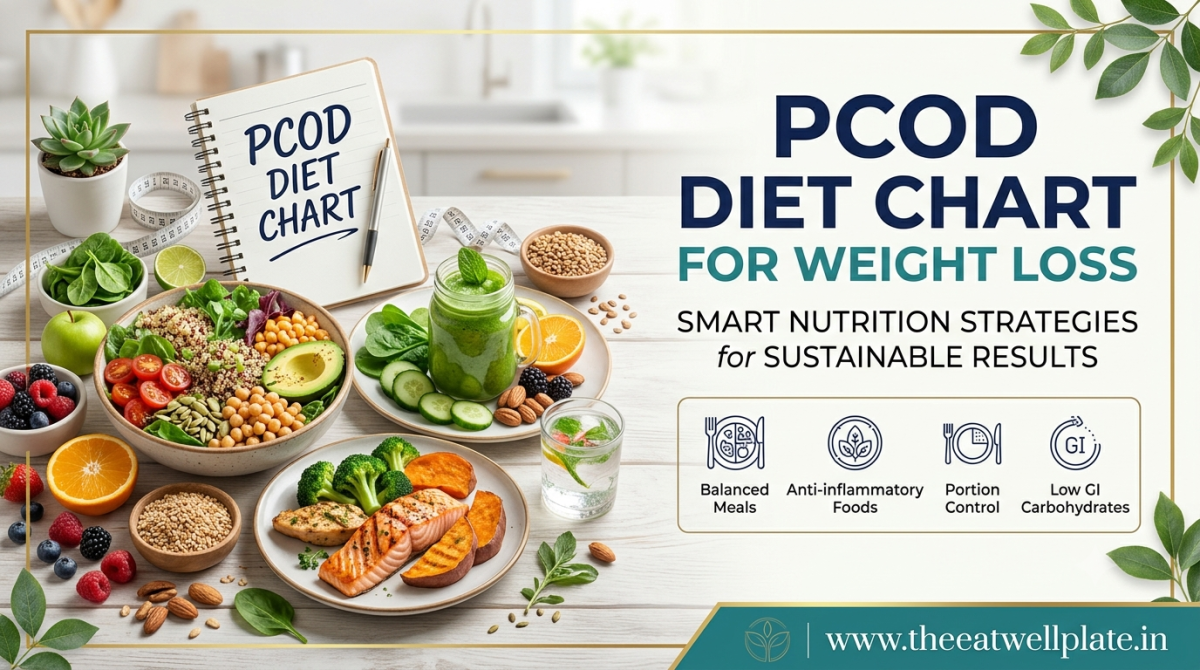
Managing weight with PCOD can feel challenging, especially when hormonal changes, cravings, and conflicting diet advice make it difficult to know where to start. Many women try restrictive diets in the hope of seeing quick results, only to find these approaches difficult to maintain.
A balanced PCOD Diet Chart For Weight Loss should focus on individual nutritional needs, satisfying meals, and sustainable lifestyle changes. Instead of eliminating entire food groups, the goal is to develop healthy eating habits that support overall well-being and long-term weight management.
Understanding the Connection Between PCOD and Weight Management
PCOD is commonly used to describe a condition associated with hormonal and metabolic changes. Some women may also experience insulin resistance, which can influence how the body regulates blood sugar and may make weight management more challenging.
However, every woman experiences PCOD differently. Weight changes can be influenced by several factors, including genetics, sleep, stress, physical activity, medication, and individual health conditions.
Understanding these differences is important when choosing an appropriate nutritional approach.
Focus on Balanced and Satisfying Meals
A practical PCOD Diet Chart For Weight Loss should provide adequate nutrition without leaving you constantly hungry. Balanced meals can help you maintain energy levels and develop a more consistent eating routine.
Consider including these food groups in your daily eating pattern:
-
Vegetables: Spinach, carrots, cauliflower, cucumber, and other seasonal vegetables.
-
Whole grains: Oats, whole-wheat roti, and other minimally processed grains.
-
Protein-rich foods: Dal, chickpeas, beans, eggs, paneer, tofu, or other suitable protein sources.
-
Healthy fats: Nuts, seeds, and appropriate amounts of healthy oils.
-
Fruits: Whole fruits such as apples, oranges, guava, and berries when available.
The best choices depend on your food preferences, nutritional requirements, and any other health conditions you may have.
Choose Carbohydrates Wisely
Carbohydrates do not need to be eliminated when managing PCOD. Instead, focus on the type of carbohydrate, portion size, and how it fits into your overall meal.
Whole grains, legumes, vegetables, and whole fruits provide fiber and other essential nutrients. Combining carbohydrate-rich foods with protein and healthy fats can also make meals more satisfying.
For example, pairing roti with dal and vegetables creates a more balanced meal than relying on refined carbohydrates alone.
Avoid Extreme Dieting and Unnecessary Restrictions
One common mistake is assuming that eating as little as possible will lead to better weight-loss results. Extremely restrictive diets can make it difficult to meet nutritional needs and may contribute to fatigue, hunger, and an unhealthy relationship with food.
A sustainable PCOD Diet Chart For Weight Loss should account for your appetite, lifestyle, and nutritional requirements. You do not necessarily need to give up rice, roti, fruit, or your favorite foods to build healthier eating habits.
Consistency and balance are more practical long-term goals than perfection.
Build a Lifestyle That Supports Your Goals
Nutrition is only one part of PCOD management. Other daily habits can complement a balanced eating pattern.
Stay physically active: Walking, cycling, strength training, and other activities you enjoy can support fitness and metabolic health.
Prioritize sleep: Maintaining a regular sleep schedule can support overall health and make healthy routines easier to follow.
Manage stress: Relaxation techniques, enjoyable hobbies, and mindfulness may help you manage everyday stress.
Maintain regular eating habits: Planning meals around your daily routine can help you avoid extreme hunger and make more considered food choices.
These habits should be adapted to your individual circumstances rather than followed as rigid rules.
Why Personalized Nutrition Matters for PCOD
There is no single eating pattern that works for every woman with PCOD. Nutritional requirements may differ according to age, activity level, food preferences, medical history, medications, and personal health goals.
A personalized PCOD Diet Chart For Weight Loss takes these factors into account and helps make healthy eating more realistic. A qualified dietitian can guide you in selecting appropriate foods, understanding portions, and making adjustments as your needs change.
If you have irregular periods, persistent symptoms, or concerns about insulin resistance, consult a healthcare professional for appropriate assessment and treatment. Nutrition guidance can complement medical care but does not replace it.
Final Thoughts
A successful PCOD Diet Chart For Weight Loss is not about following a strict set of food rules or expecting overnight changes. It is about nourishing your body, choosing balanced meals, staying active, and developing habits that fit your lifestyle.
With a thoughtful approach and individualized guidance, women with PCOD can work toward sustainable weight-management goals without unnecessary food restrictions.
At The EatWell Plate, personalized nutrition guidance focuses on practical food choices and sustainable lifestyle habits tailored to individual needs. The aim is to help you make informed decisions and build a healthier routine that you can maintain over time.
Managing diabetes starts with balanced food choices and healthy daily habits. A personalized Diet Chart For Diabetic Patient can help support blood sugar management through mindful portions, nutritious meals, and sustainable eating habits. The Eat Well Plate offers customized nutrition guidance based on individual health needs, lifestyle, and food preferences.















Comments (0)