

Snoring or Sleep Apnea? Warning Signs You Should Never Ignore
Almost everyone snores now and then. But loud, regular snoring with pauses in breathing can point to sleep apnea, one of the most underdiagnosed sleep disorders. Knowing the difference can help you seek the Best Sleep Disorders Treatment in East Delhi before complications develop.

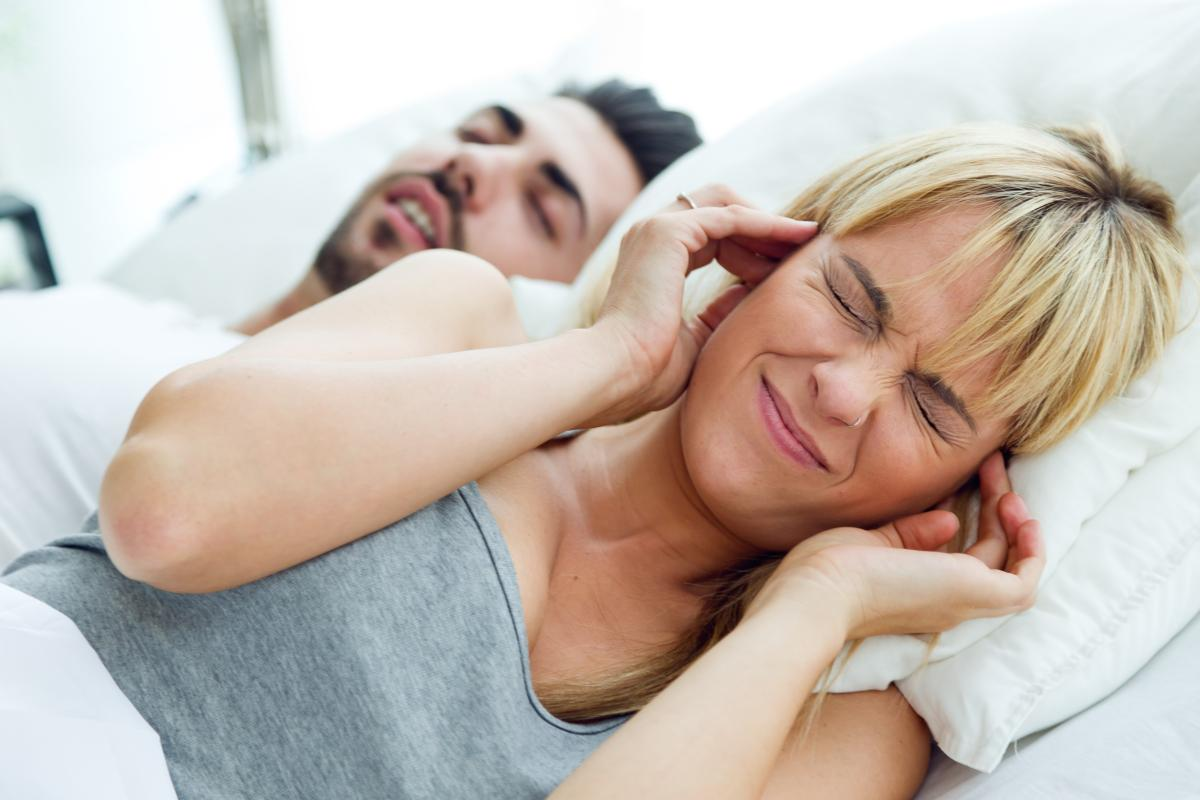
What Is Obstructive Sleep Apnea?
In obstructive sleep apnea (OSA), the muscles of the throat relax too much during sleep and block the airway. Breathing stops for 10 seconds or longer, oxygen levels drop, and the brain briefly wakes you to restart breathing. This can happen dozens of times an hour, often without you remembering.
How Common Is It?
A 2019 analysis in The Lancet Respiratory Medicine estimated that about 936 million adults aged 30–69 have OSA worldwide. Most are never diagnosed.
Signs and Symptoms
Nighttime Signs
- Loud snoring
- Gasping or choking while asleep
- Frequent night-time urination
- Restless sleep and sweating
Daytime Signs
- Morning headaches
- Extreme tiredness
- Trouble concentrating
- Irritability or low mood
Who Is at Higher Risk?
Risk is higher in people who are overweight, have a thick neck, are over 40, have high blood pressure or have a family history of apnea. Men are affected more often, though risk in women rises after menopause.
Why Untreated Sleep Apnea Is Serious
Repeated drops in oxygen strain the heart and blood vessels. Studies link untreated OSA with hypertension, atrial fibrillation, stroke and type 2 diabetes. It also raises the chance of drowsy-driving accidents.
How Sleep Apnea Is Diagnosed
An overnight sleep study measures how many breathing pauses occur each hour. This is called the apnea-hypopnea index (AHI): 5–15 is mild, 15–30 moderate, and 30 or more is severe.
Choosing the Best Sleep Disorders Treatment in East Delhi means getting an accurate diagnosis from specialists who can read these results properly.
Treatment Options
CPAP Therapy
A mask delivers gentle air pressure to keep the airway open. It remains the gold-standard treatment for moderate to severe OSA.
Lifestyle Changes
Losing even 10% of body weight can reduce AHI significantly. Side-sleeping and avoiding alcohol at night also help.
Oral Devices and Surgery
Mouth devices that reposition the jaw suit mild cases. Surgery is considered only when other options fail.
Not every sleep problem is apnea. This overview of the types of sleep disorders explains how conditions differ. And since poor sleep affects mental health, you may also find it useful to read about OCD cleanliness and its link with rest.
Conclusion
Snoring is not always harmless, and early testing can prevent serious health problems. If you or a partner notice breathing pauses at night, Veyra advises consulting a specialist for the Best Sleep Disorders Treatment in East Delhi.













Comments (0)