

Uterine Artery Embolization: Benefits, Procedure, and Treatment Considerations
Discover how uterine artery embolization works, its potential benefits and risks, recovery expectations, and its use in managing uterine fibroid and adenomyosis symptoms.


Uterine fibroids and adenomyosis are conditions that may cause heavy menstrual bleeding, pelvic pain, abdominal pressure, and discomfort that affects everyday activities. Understanding the available treatment options allows patients to have more informed conversations with their healthcare providers and explore approaches that match their symptoms and personal goals.
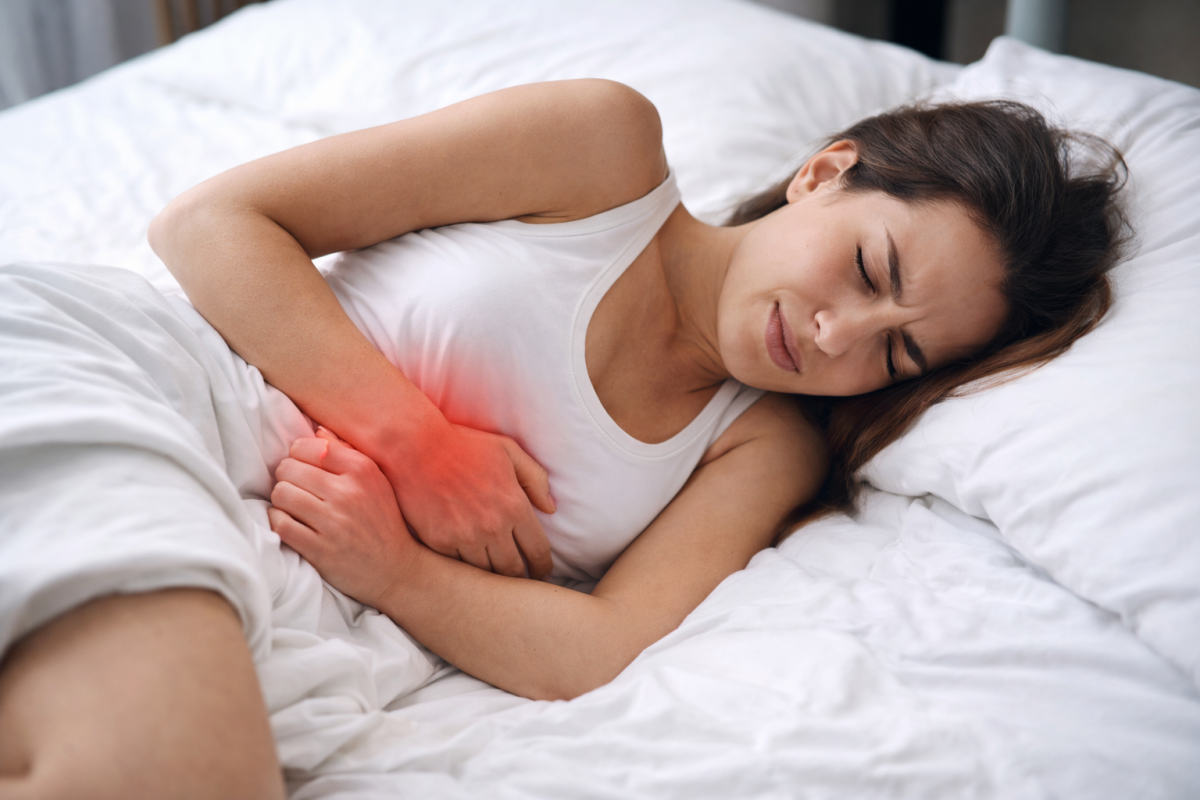
Uterine Artery Embolization (UAE) is a minimally invasive procedure designed to reduce blood flow to targeted tissue in the uterus. It is widely used to treat symptomatic uterine fibroids and may also be considered for certain patients with adenomyosis. Unlike a hysterectomy, the procedure does not involve removing the uterus.
How Does Uterine Artery Embolization Work?
Uterine artery embolization is performed by an interventional radiologist using image-guided techniques. A thin tube called a catheter is inserted into an artery, usually through a small puncture in the wrist or groin. The catheter is carefully guided toward the arteries supplying the targeted uterine tissue.
Tiny particles are then released through the catheter to reduce blood flow to the selected area. When the procedure is used for fibroids, the reduced blood supply causes the treated fibroids to gradually shrink. This may help relieve symptoms such as heavy periods, pelvic pressure, and discomfort.
The procedure generally does not require a large surgical incision. However, patients may need pain medication and a period of recovery afterward.
Which Symptoms May UAE Help Address?
For patients with symptomatic uterine fibroids, UAE may help improve several problems, including:
- Heavy or prolonged menstrual bleeding
- Pelvic pressure or discomfort
- Abdominal fullness associated with enlarged fibroids
- Frequent urination when fibroids press against the bladder
- Discomfort that interferes with normal daily activities
Adenomyosis can also cause heavy bleeding and painful periods. Embolization may provide symptom relief for some patients with adenomyosis, but results vary, and suitability depends on individual medical circumstances.
A proper diagnosis is essential because fibroids and adenomyosis are different conditions and may require different treatment approaches.
What to Expect Before and During Treatment
Before the procedure, the healthcare team reviews the patient's symptoms, medical history, medications, and imaging results. These assessments help determine whether embolization is appropriate and identify any factors that could affect treatment.
During UAE, medication is provided to help manage discomfort. The interventional radiologist uses imaging to guide the catheter into the uterine arteries and delivers the embolic particles. The procedure is then completed, and the patient is monitored during the initial recovery period.
Some patients experience pelvic cramping, fatigue, nausea, or a mild fever after treatment. The medical team provides instructions about pain management, activity restrictions, and follow-up care.
Benefits of Choosing a Minimally Invasive Approach
One potential benefit of UAE is that it can treat multiple fibroids in a single procedure without removing the uterus. Many patients experience improvement in heavy bleeding and pressure-related symptoms. Recovery is often shorter than after major surgery, although individual recovery times differ.
UAE may be especially worth discussing with a specialist when a patient wants to explore alternatives to major surgery. Nevertheless, it is not the best option for everyone, and symptoms may persist or return. Some patients may eventually need additional treatment.
Risks and Important Considerations
Every procedure has potential risks. After UAE, temporary cramping, nausea, fatigue, and mild fever may occur. Less common complications include infection, bleeding, injury to a blood vessel, or changes in ovarian function.
Patients who may want to become pregnant should discuss reproductive plans before choosing treatment. Preserving the uterus does not guarantee that fertility or pregnancy outcomes will be unaffected. A specialist can explain the available evidence and compare UAE with other treatments based on the patient's priorities.
Seek medical advice promptly if recovery involves severe or worsening pain, persistent high fever, unusually heavy bleeding, or other concerning symptoms.
How to Decide Whether UAE Is Suitable
Treatment decisions depend on the cause of symptoms, fibroid size and location, overall health, and future pregnancy plans. A healthcare professional can explain the expected benefits and limitations of embolization alongside alternatives such as medication, myomectomy, or hysterectomy.
Patients can prepare for their consultation by asking about recovery time, possible complications, expected symptom relief, and the likelihood of needing further treatment. These discussions help ensure that the decision is based on accurate information and individual needs.
Conclusion
Uterine artery embolization is a minimally invasive option for treating symptomatic uterine fibroids and may be considered for adenomyosis in selected cases. By reducing blood flow to targeted tissue, it may help improve symptoms while preserving the uterus. A personalized evaluation by a qualified healthcare professional is the best way to determine whether UAE is an appropriate treatment choice.
For additional information about uterine fibroid conditions and available treatment options, visit USA Fibroid Centers to explore educational resources and learn about specialist consultations.










Comments (0)